



Updated 3 hours ago
Yellow Resistant Table Resin for Clear & Durable River Table Projects
sidrahafeez754

Yellow Resistant Table Resin for Clear and Long-Lasting Wood Furniture
A resin table that is beautiful must continue to be beautiful even many years after it has left the shop. This is the reason why the choice of resin is as important as the wood itself. A clear coating might appear perfect at first but lacks color stability, which can slowly start to show on the appearance of the finished table once the table is exposed to light, heat, or changing environmental conditions.
- In the case of river tables, live edge furniture, and deep wood casting, a resin requires more than transparency. It must be flowing, wetting the wood, expelling trapped air, curing evenly, and having a clear appearance after hardening. An excellent yellow-resistant table resin meets these requirements with its chemistry and curing system.
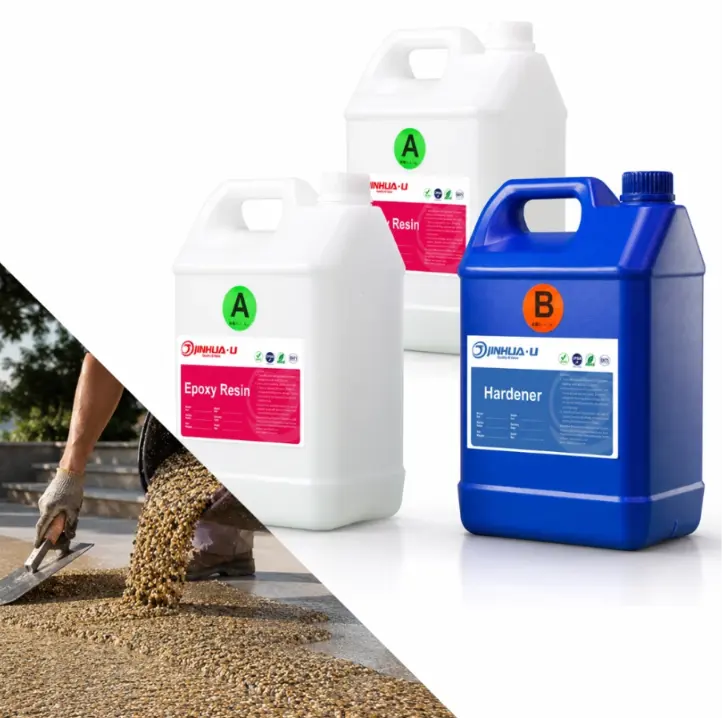
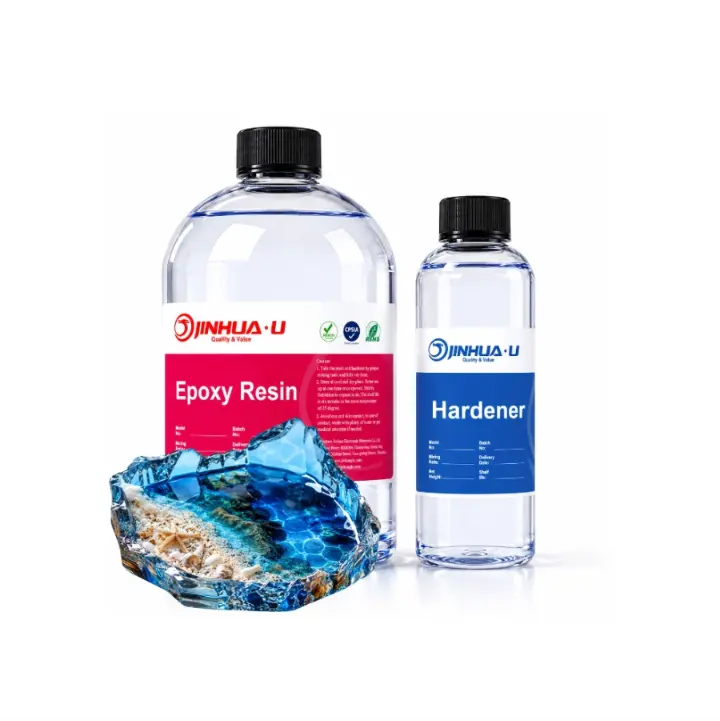
- JINHUAs is a low-viscosity two-part epoxy system designed to be used in river tables and in large wood casting projects. According to the manufacturer, the formulation offers wood wetting, long working time, self-deairing performance, and a glass-clear cured surface with yellowing resistance.
What is a Good Table Resin?
- A good table coating resin requires a balanced composition as opposed to a single striking specification. The resin must be of the right viscosity to pour, possess sufficient working time to be placed, and have a predictable curing reaction.
- Flow is also of great concern in a river table since the resin should fill the cracks between the edges of the wood and fill intricate spaces without the need to spread too much. Bubble release and surface leveling can also be supported by good resin flow properties.
The Reason Why Epoxy Resin May Become Yellow with Time
Most formulations of epoxy are naturally clear, although clarity does not necessarily imply color stability. Photo-degradation may also be caused by exposure to light, especially UV radiation. Color changes can also be affected by oxidation and the chemistry of the resin and the hardener.
That is why the terms yellowing resistance, UV stability, and color stability are important when selecting a resin to use in visible furniture.
- An anti-yellowing epoxy resin is developed to retard the appearance changes that are related to environmental exposure. But it is necessary to realize that there is no epoxy that will be automatically said to be absolutely immune to yellowing in all circumstances. The resin chemistry, exposure, thickness, temperature, and the surrounding environment determine long-term performance.
- In the case of indoor furniture, a yellow-resistant table resin would be used to maintain the transparent look of wood grain and decorative colors. In regions with high exposure to sunlight, UV exposure must be taken into consideration.
Benefits of Low Viscosity to River Tables
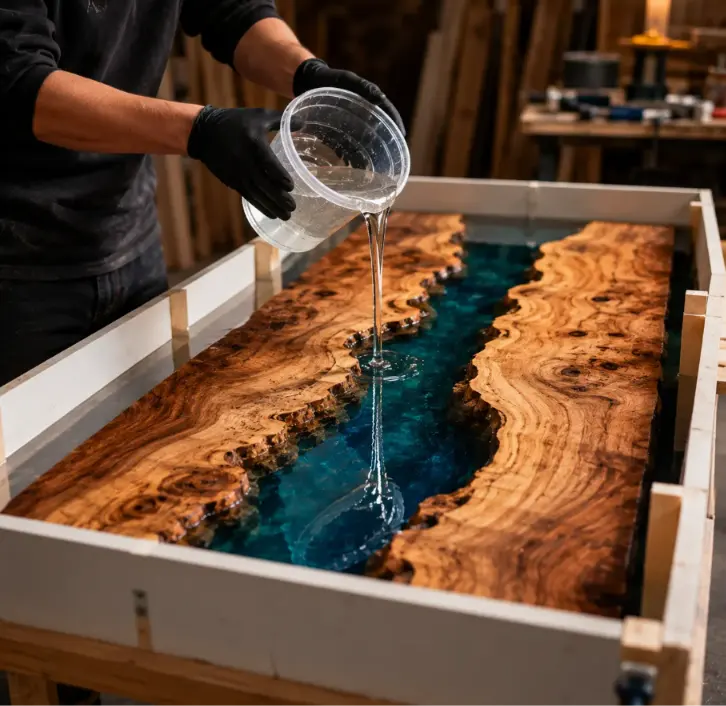
A river table may have jagged edges, fissures, knots, holes, and small passages. A thick resin can find it hard to flow through these spaces without further manipulation.
- A low-viscosity formulation will be able to flow into the complex areas more easily. It can also facilitate the upward movement of trapped air during curing.
- JINHUA refers to 318AB-9V-2 as an ultra-fluid preparation that is self-deairing. According to the company, the material is able to flow into small openings and intricate spaces and offers transparency and self-leveling functionality.
- This renders the formulation applicable in applications like live edge epoxy resin, river tables, solid wood slabs, resin art panels, inlay filling, and small sculptures.
Beyond River Tables Uses
Despite the fact that epoxy resin in tables is a significant use, clear casting systems can be used in a wider variety of woodworking and decorative work. It can be formulated using an appropriate formulation:
• Epoxy wood tables and dining tables.
• Live edge furniture
• Resin coffee tables
• Decorative wood panels
• Epoxy desks
• Stabilization and filling of voids in wood.
As an example, wood encapsulation resin has the ability to coat specific areas of timber whilst retaining visual depth. It is also possible to fill cracks, knots and voids with a wood filling epoxy when the formulation is designed to do so.
Worth Comparing Technical Properties
When selecting a yellow-resistant resin, do not pay attention to the word clear. Compare the technical details of the product. Useful specifications include:
• Mixed viscosity at a given temperature.
• Mixing ratio
• Pot life
• Cure time
• Recommended pour thickness
• Shore hardness
• Specific gravity
• Storage temperature
• Shelf life
• UV and yellowing performance
These numbers are a more practical starting point in comparing resin systems as compared to general marketing claims.
How to Safeguard Long-Term Clarity
Even a non-yellowing epoxy resin should be used with realistic expectations. Yellowing resistance can be enhanced by resin chemistry, although conditions of exposure are still important.
- Clear polymers can be subjected to extra stress by strong direct sunlight, high temperatures, and extended exposure to the environment. Where optical clarity is needed over a long period of time, the entire furniture design must take into account the surroundings where the table is to be utilized.
- In the case of indoor furniture, it is possible to control direct sunlight to maintain the look of a clear epoxy table resin. In case of high-performance applications, request the manufacturer to provide technical information concerning UV resistance and long-term color stability.
Conclusion
The resin table that is the best is not the one where the resin takes center stage. It is the one where the timber is the star, the surface is clear, and the cured material silently offers strength, depth, and protection.
Read the JINHUA yellow resistant table resin to check the technical specifications and application information. In the case of furniture manufacturers, woodworking studios, and resin professionals, JINHUA also mentions that OEM and ODM customization may involve viscosity and curing speed, color, packaging, and formulation changes.