




One-Stop Epoxy Solutions: R&D, Quality, Production & Marketing Support
Your Trusted Partner for Epoxy Resin Excellence
Internal Quality Inspection Procedure for Epoxy Resin Production
1. Raw Material Inspection
Incoming Verification & Sampling: Warehouse staff verify the material name, batch number, quantity, and supplier COA. QC performs sampling according to the "Raw Material Sampling SOP".
Key Testing Items: Bisphenol-A (Color, Melting Point, Purity); Epichlorohydrin (Color, Purity, Moisture); Liquid Resin Reactants (Viscosity, Epoxy Equivalent Weight); Curing Agents (Amine Value, Viscosity).
Judgment Criteria: Test results must comply with "Raw Material Specifications". Qualified materials are labeled with a green "PASS" sticker and stored. Non-conforming materials are moved to the quarantined area and handled per the "Non-conforming Product Control Procedure".
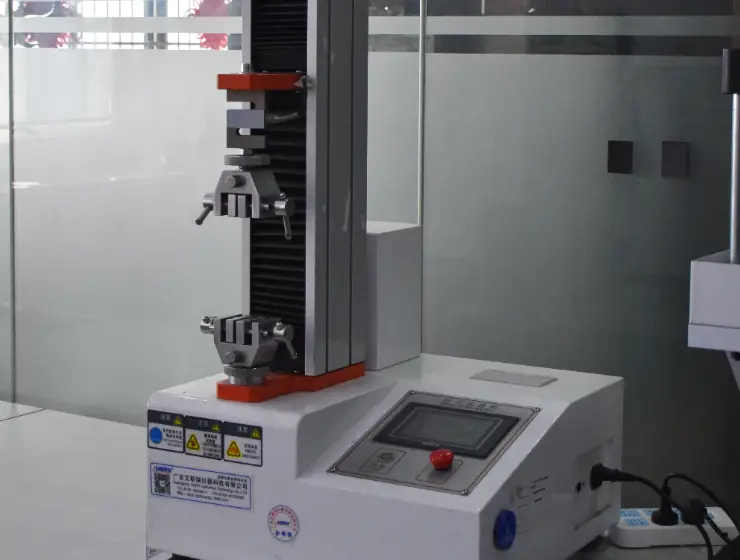
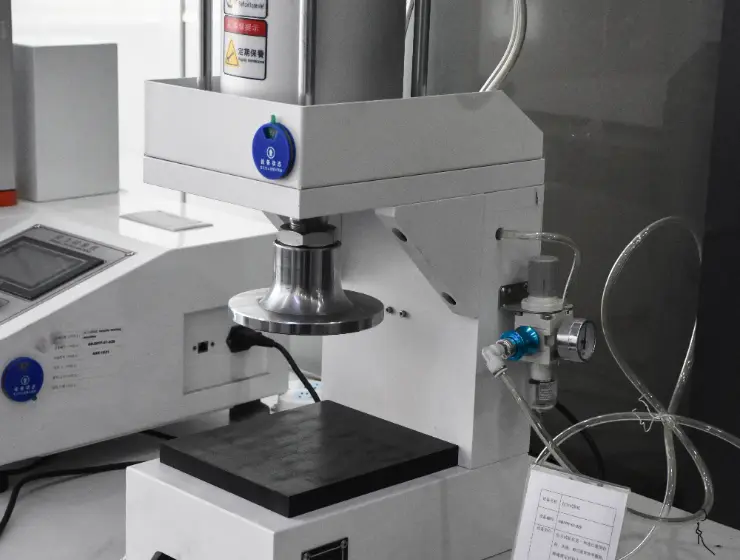
2. In-Process Inspection
Reactor Monitoring: Operators monitor reaction temperature, pressure, and stirring speed in real-time, recording critical process parameters.
In-Process Control (IPC) Sampling: QC performs rapid testing of reactor contents at different reaction stages (e.g., pre-reaction, main reaction, aging stage).
Testing Items: Epoxy Equivalent Weight (EEW) trend analysis, viscosity growth curve, color change. For solid resins, the Ring & Ball softening point is tested.
Exception Handling: If IPC indicators deviate from the set curve, the production department is immediately notified for adjustments (e.g., adding monomer, extending reaction time, or adjusting temperature). Deviated batches require evaluation by the technical department before proceeding to the next step.
3. Finished Product Inspection
Batch Sampling: Samples are taken at prescribed intervals before or during packaging and mixed into a representative composite sample.
Full Performance Test List:
• Appearance: Clear and free of impurities (Visual inspection).
• Epoxy Equivalent Weight (EEW): HCl-Acetone method or Perchloric Acid titration.
• Viscosity: Rotational viscometer (25°C or specific temperature).
• Saponifiable Chlorine / Total Chlorine Content: Potentiometric titration or chromatography.
• Color: Gardner scale or Platinum-Cobalt scale (APHA).
• Solid Content (for solution type): Oven loss method.Retention Management: Retention samples of each batch must be kept until one year after the shelf life expires, stored at room temperature away from light.
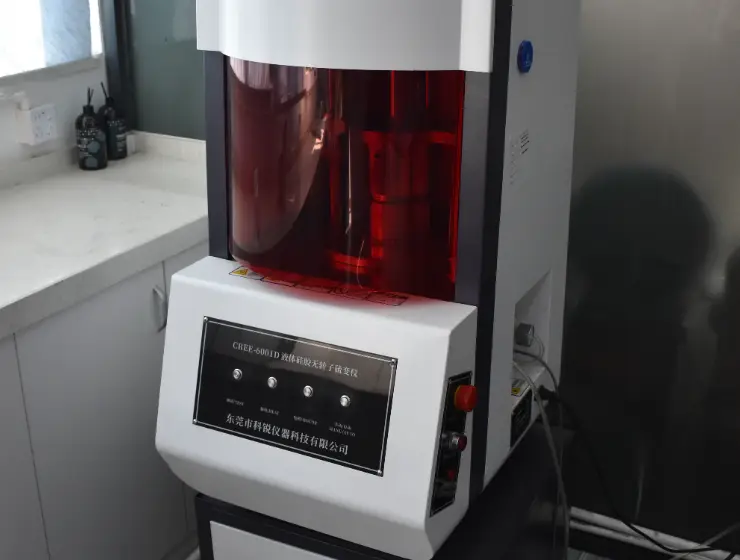
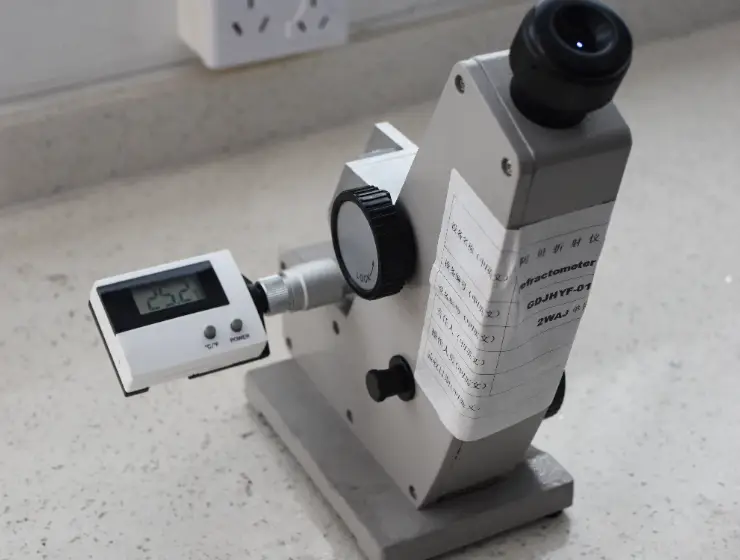
4. Packaging Inspection
Net Content Check: Random weight checks must comply with relevant metrology regulations.
Sealing Integrity Check: Tipping test or seal ring airtightness test (for drums).
Label & Marking Verification: Verify product name, specification, batch number, production date, net weight, dangerous goods markings (UN number), and MSDS consistency.Drum Cleanliness: Check that the exterior of the packaging drum is free of resin residue and stains.
5. Pre-Shipment Inspection
Shipment Audit: Before shipment, QC uses the "Outgoing Inspection Report" to verify the cleanliness of the transport vehicle and confirm if it is "dedicated use" or compliant mixed loading.
COA Issuance: Upon no errors, issue the "Certificate of Analysis" (COA) for each batch to accompany the goods.
6. Non-Conforming Product Handling
Downgrade/Degrade Principle: If the EEW or viscosity deviates from standard specifications but remains within application tolerance, and upon evaluation by the technical department, the product may be downgraded for shipment (e.g., from electronic grade to coating grade).
Scrap Conditions: If abnormal mechanical impurities, severely off-color (e.g., Gardner > 5 due to oxidation), or excessive chlorine content that cannot be reprocessed are discovered, a "Scrap Request Form" must be initiated for safe disposal.


