




Table Resin
Professional casting epoxy resin for wood table production. With high hardness, wear resistance, water resistance and ultra anti-yellowing performance. Ideal for river tables, bar tops, wood filling and furniture renovation. It provides crystal clear glass-like finish with strong adhesion.
Product Catalog
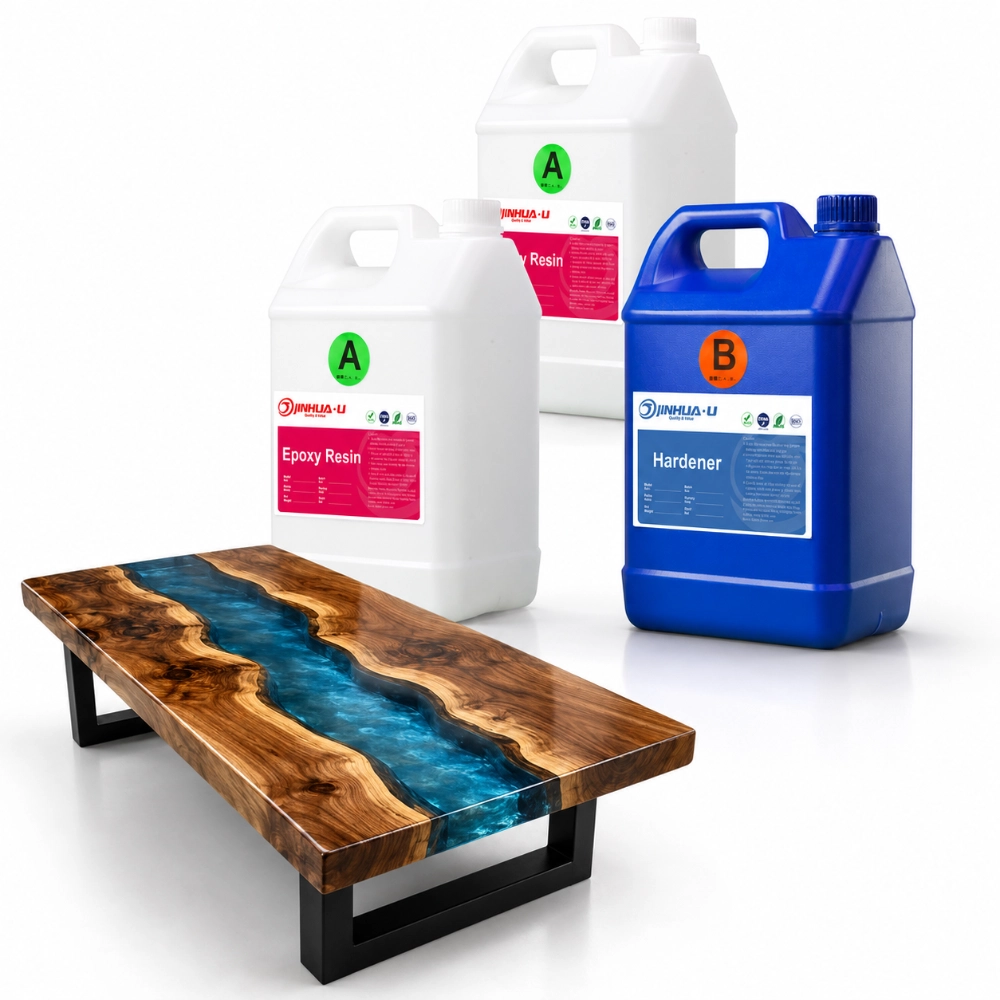
2:1 Clear Casting Resin for 3-5cm Thick Deep Casting
- Mixing Ratio: 2:1
- Curing Time(25℃): 48-72h
- Pot Life: 300mins
Learn More

View Details
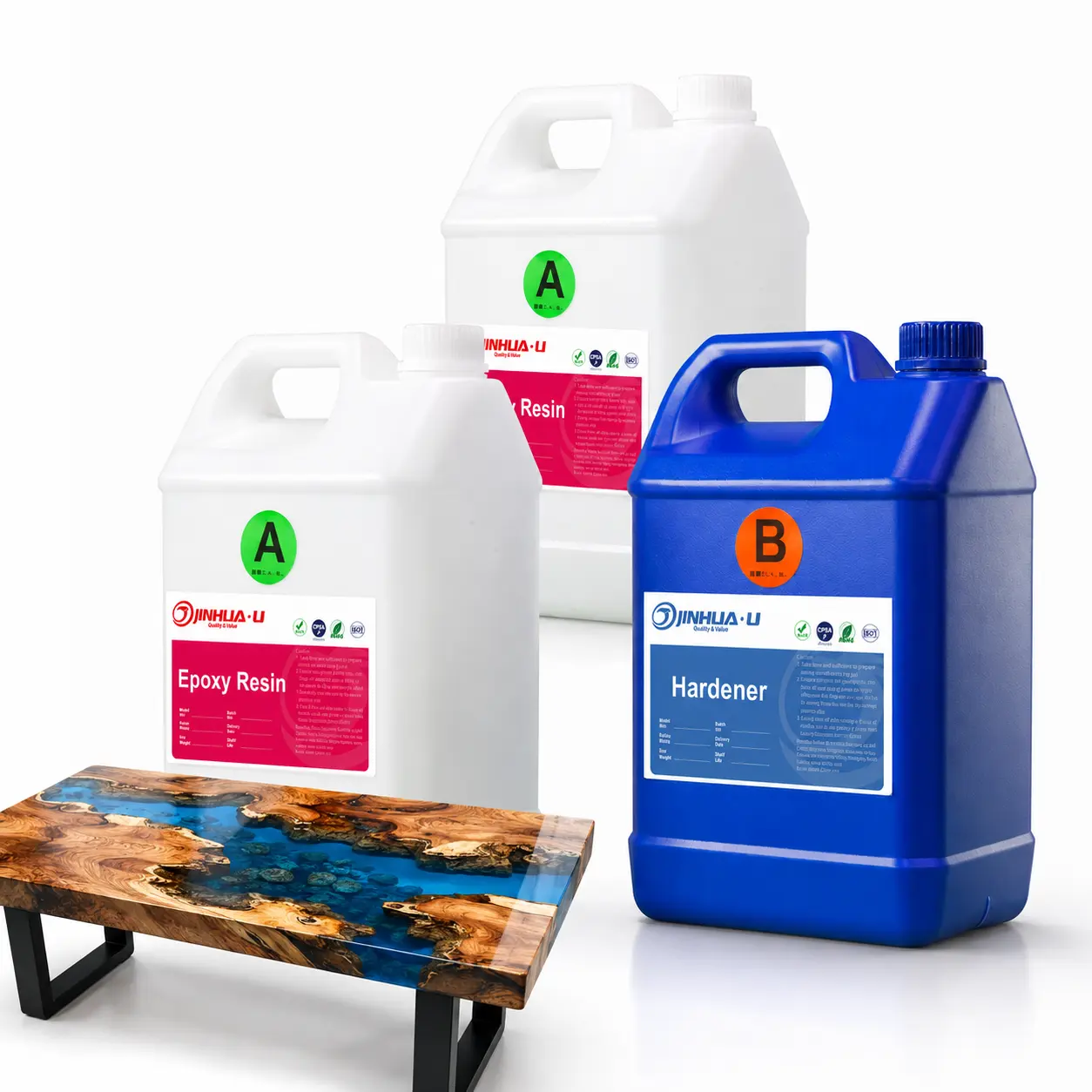
2:1 Deep Pour Epoxy Resin for 2-4 Inch Deep Casting Projects
- Mixing Ratio: 2:1
- Curing Time(25℃): 48-72h
- Pot Life: 1h
Learn More
View Details
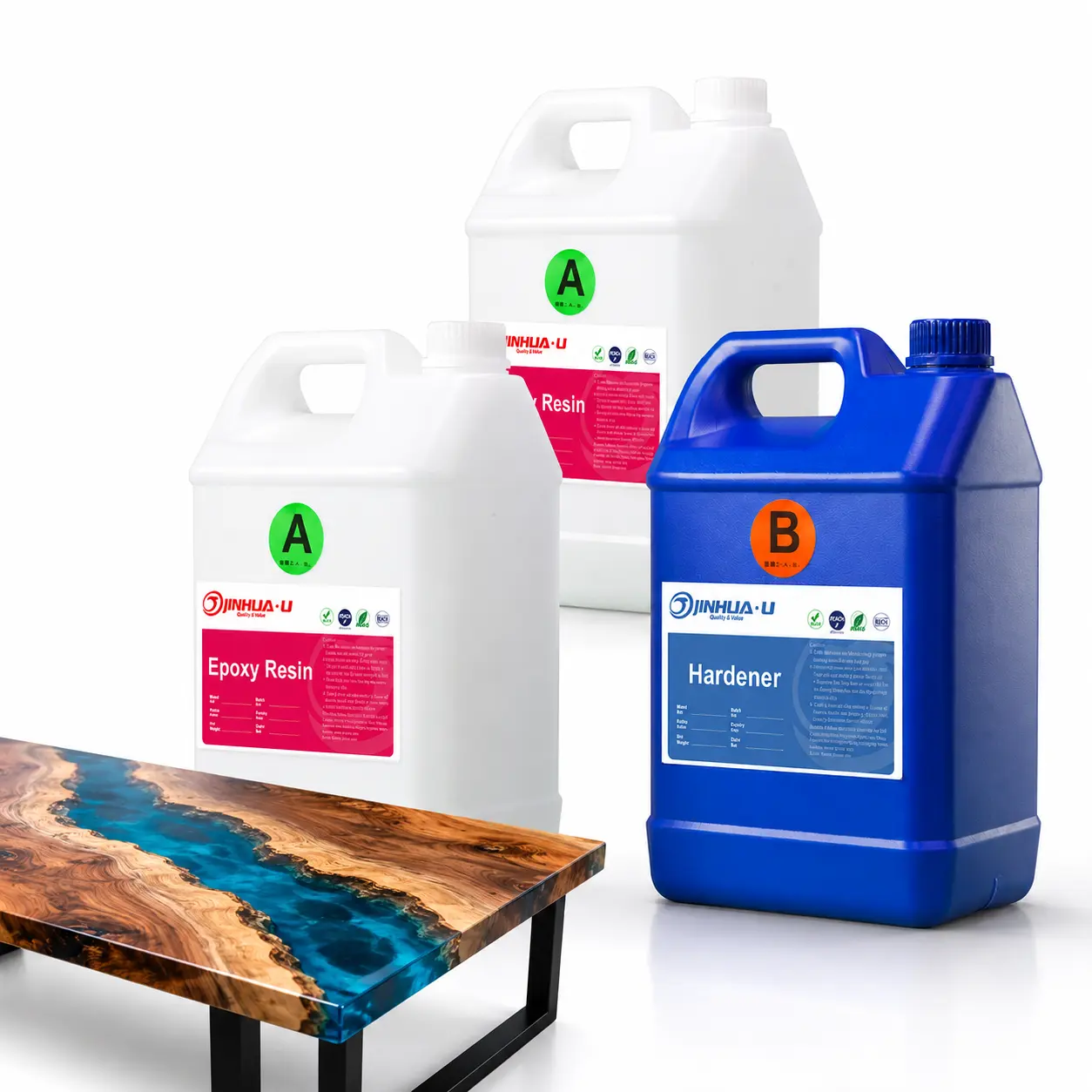
2:1 Long Working Time Epoxy Resin for 4-6 Inch Deep Casting
- Mixing Ratio: 2:1
- Curing Time(20℃): 100h
- Pot Life: 6h
Learn More
View Details
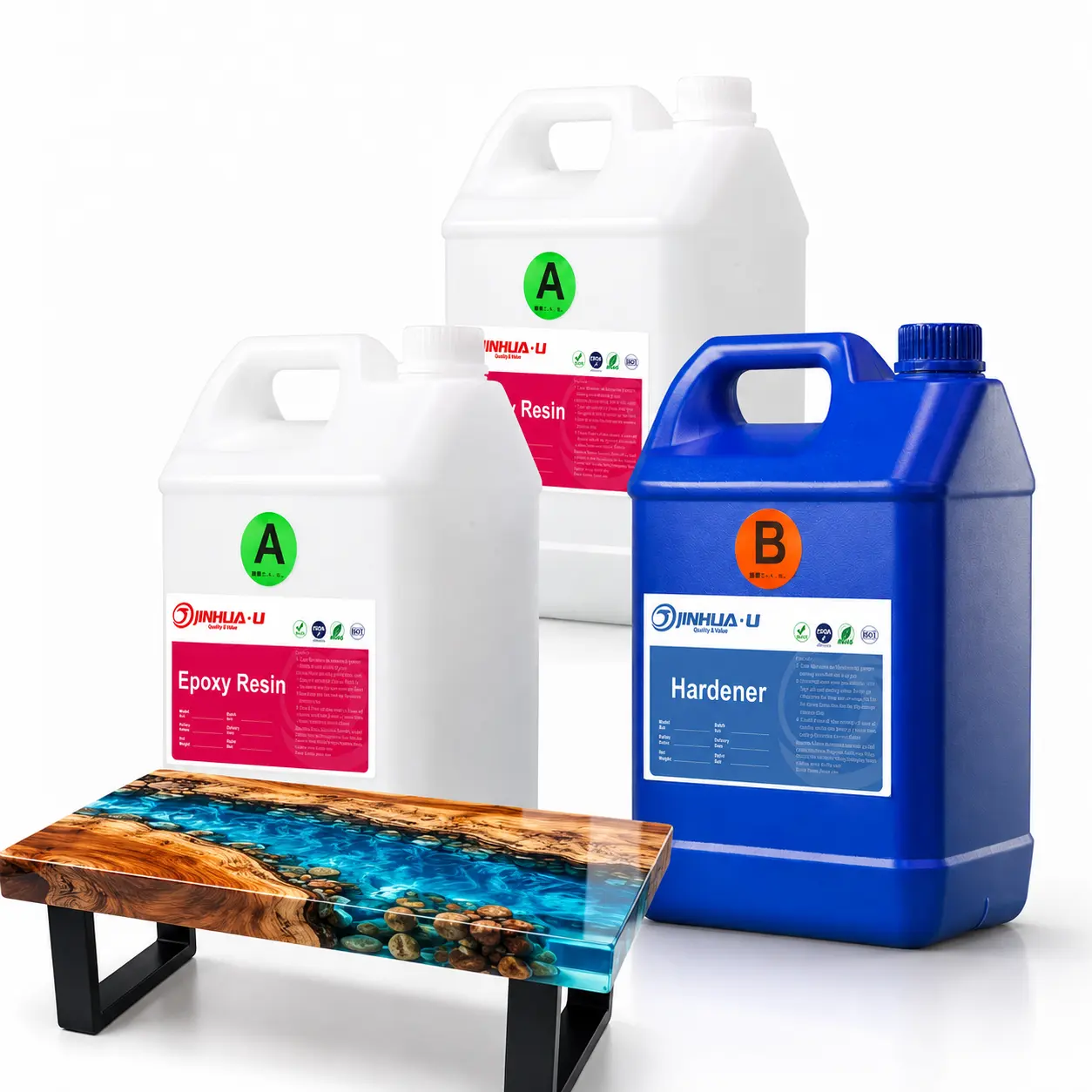
2:1 Clear Resin for 6-8 Inch Thick Deep Pour
- Mixing Ratio: 2:1
- Curing Time(20℃): 36-48h
- Mixed Viscosity: 380±100CPS
Learn More
View Details
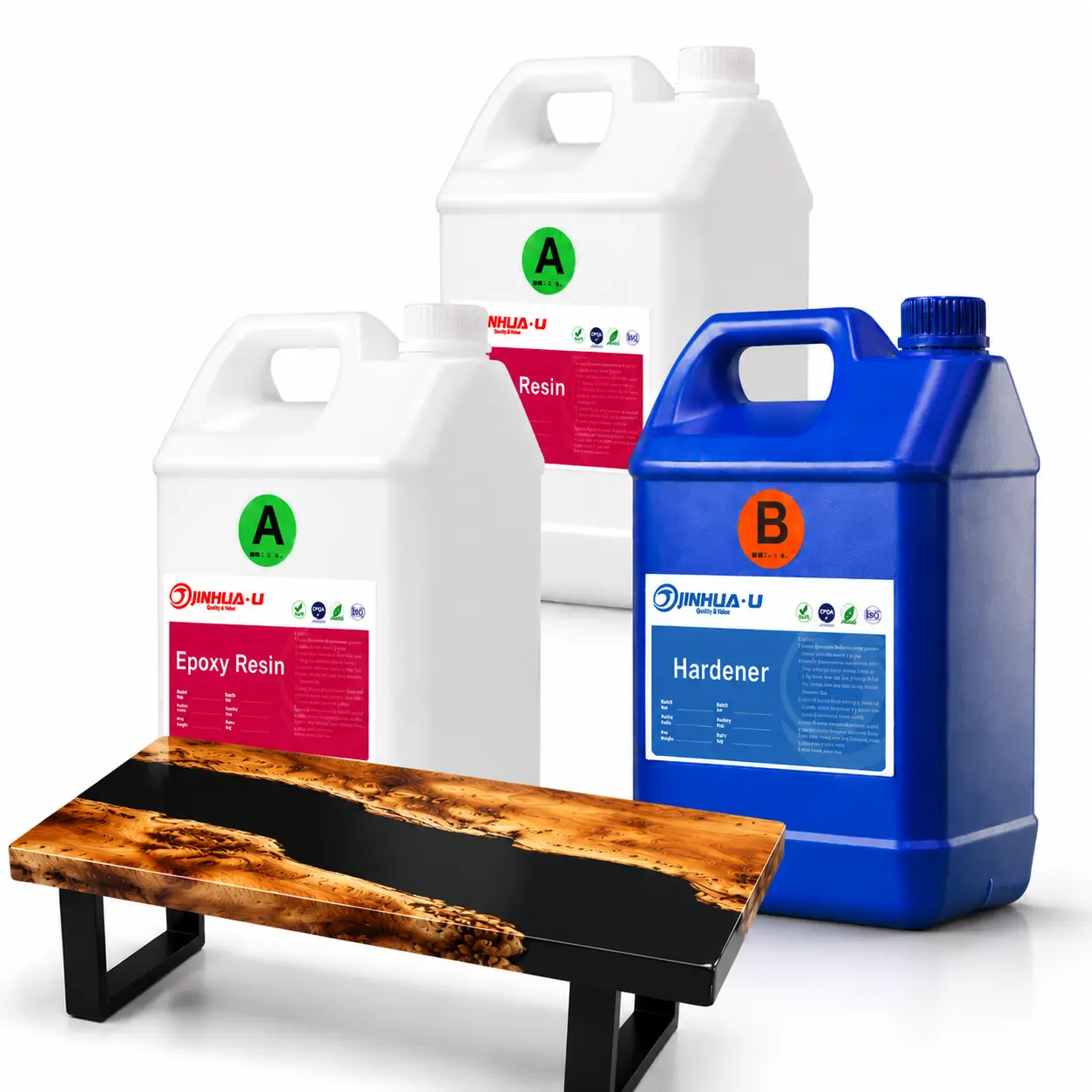
2:1 Low Viscosity Epoxy Resin for River Table with 1-2 Inch Thick Pour
- Mixing Ratio: 2:1
- Curing Time(20℃): 36-48h
- Mixed Viscosity: 500±50mPa.S
Learn More
View Details
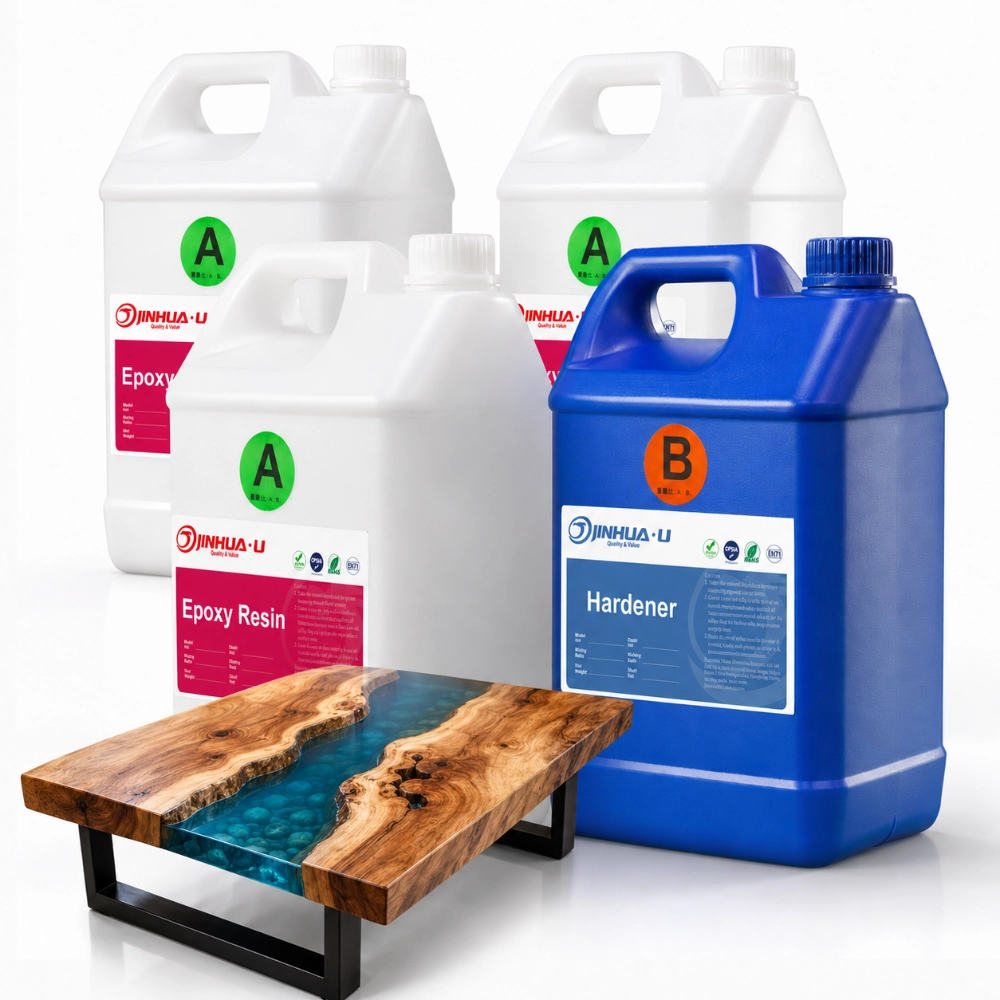
3:1 General Casting Resin
- Mixing Ratio: 3:1
- Curing Time(25℃): 8-10h
- Pot Life: 40mins
Learn More
View Details
Would you like to get free samples and tailored solutions?
Contact Us
FAQs
-
What is table epoxy used for?

-
Table epoxy is used for river tables, wood gap filling, bar tops, countertops, furniture repair and clear coating on wood surfaces.
-
How is table epoxy different from small craft resin?
-
Table epoxy often needs better heat control, deeper pour capability and stronger adhesion to wood compared with resin used for small molds.
-
Why should wood be sealed before pouring epoxy?
-
Sealing helps reduce air release from wood pores, which can lower bubble formation and improve the resin-to-wood contact line.
-
Can pigments be added to table epoxy?
-
Pigments, metallic powders and transparent dyes can be added for river effects, tinted fills or decorative table designs.
-
What causes bubbles in wood table resin?
-
Bubbles often come from open wood pores, moisture, fast mixing, deep pours or insufficient surface sealing before casting.
-
Can table epoxy be polished after curing?
-
Fully cured table epoxy can usually be sanded and polished with proper tools and grit steps to improve gloss and surface smoothness.