




Soft Epoxy Resin
Flexible soft epoxy resin with bendable and crack-resistant performance after curing. It maintains toughness under low temperature, ideal for flexible sealing, electronic buffer filling and soft label making.
Product Catalog
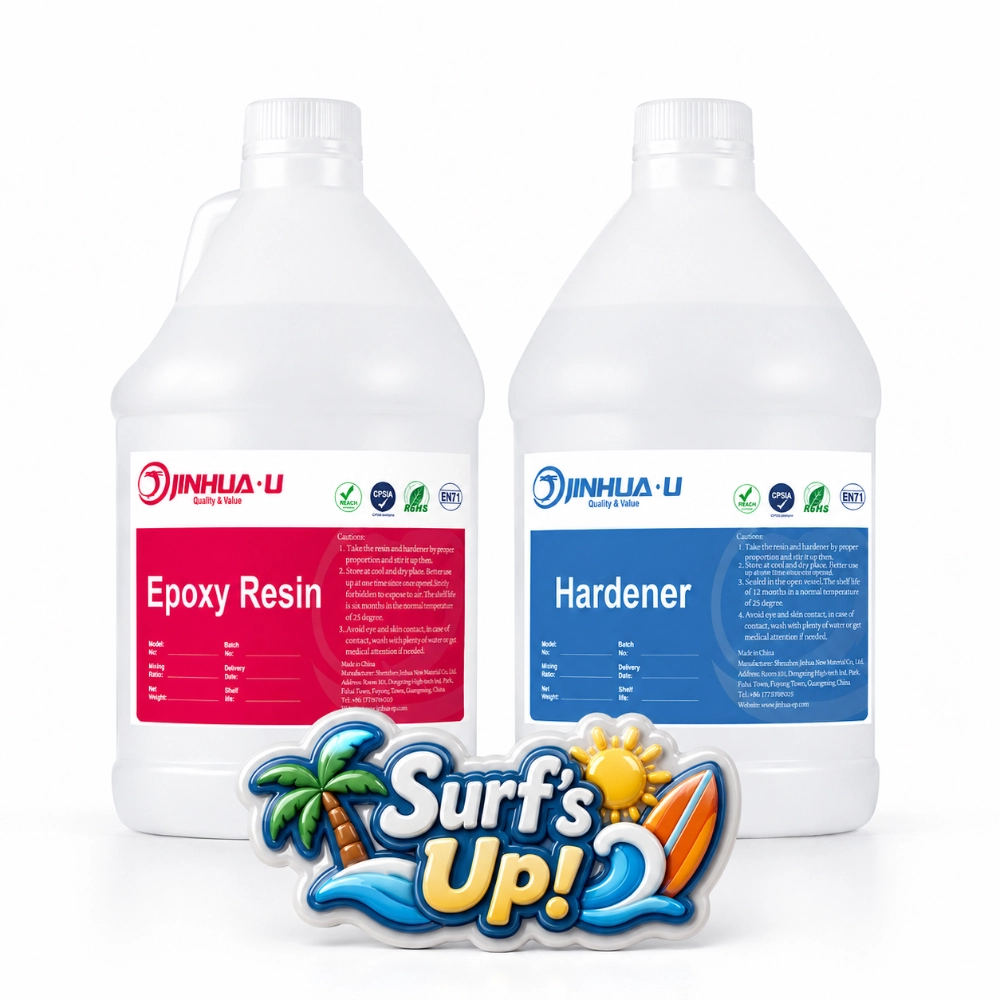
1:1 Soft Epoxy Resin for Sticker Coating
- Mixing Ratio: 1:1
- Curing Time(25℃): 12-20h
- Hardness(Shore A): 55
Learn More

View Details
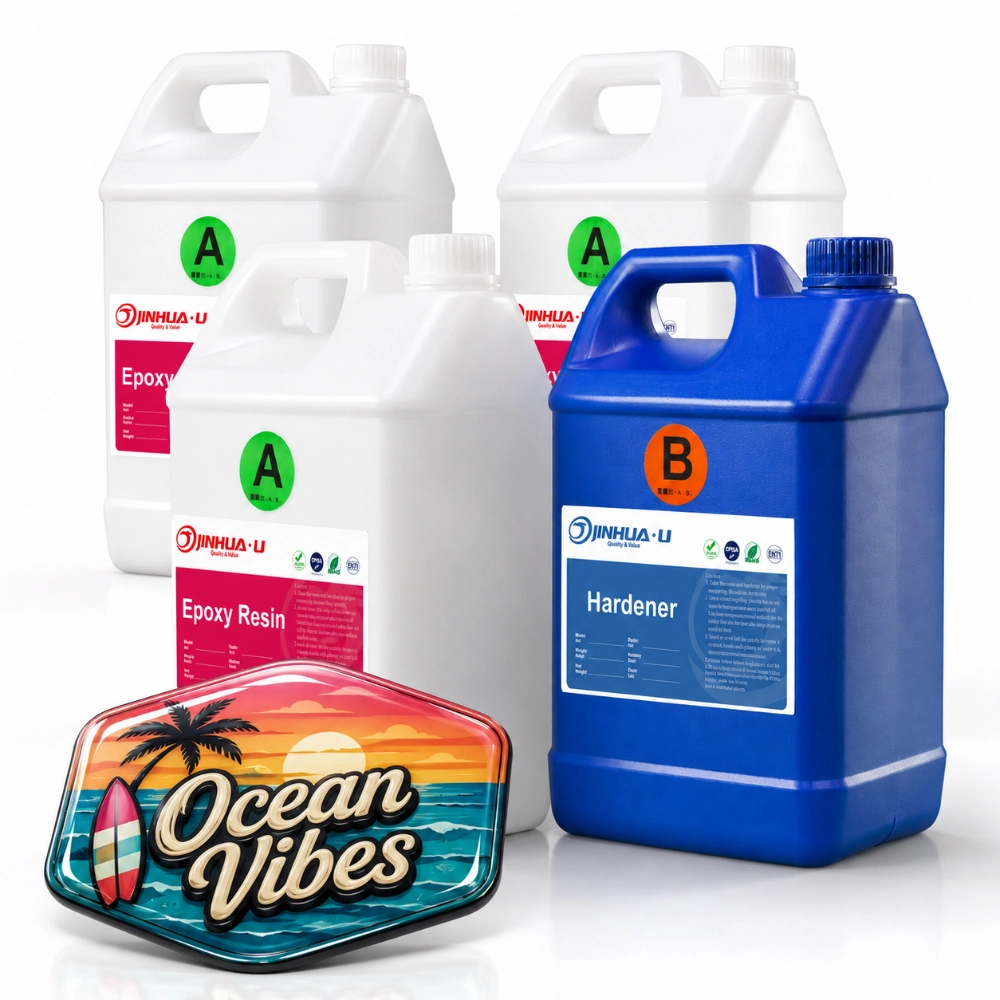
3:1 Soft Epoxy Doming Resin for DIY 3D Sticker
- Mixing Ratio: 3:1
- Curing Time(25℃): 10-18h
- Hardness(Shore A): 58-72
Learn More
View Details

Crystal Clear Soft Epoxy Resin for DIY Fake Water
- Application: Transparent Encapsulation & Fake Water DIY
Learn More
View Details
Would you like to get free samples and tailored solutions?
Contact Us
FAQs
-
How is soft epoxy resin different from hard epoxy resin?

-
Soft epoxy resin cures with more flexibility and bendability, while hard epoxy creates a rigid surface. Selection depends on movement, crack resistance and touch feel.
-
Where can flexible epoxy be used?
-
Flexible epoxy can be used for sealing, soft labels, electronic buffer filling, protective doming and parts that may bend or face vibration.
-
Can soft epoxy resin stay flexible in cold conditions?
-
Suitable flexible epoxy formulas can keep better toughness under lower temperatures. Actual performance depends on hardness, thickness and curing quality.
-
Does soft epoxy resin still provide adhesion?
-
Flexible epoxy can bond to many surfaces when the formula, surface preparation and curing conditions match the application.
-
Why does soft epoxy sometimes feel sticky after curing?
-
Sticky surfaces may come from inaccurate mixing ratio, low temperature, poor mixing or unsuitable curing time. Correct proportioning helps improve cure quality.
-
Can soft epoxy be used for electronic buffer filling?
-
Soft epoxy can cushion components and reduce stress from movement or vibration. Insulation and compatibility should match the electronic assembly.
-
Can the hardness of soft epoxy resin be adjusted?
-
Formula adjustment can change softness, recovery and cured feel. Hardness choice should match filling depth, flexibility needs and surface use.