



Updated 3 hours ago
UV Resin for Keychains: A Practical Guide for DIY Crafts
sidrahafeez754

UV Resin for Keychains: A Practical Guide to Clear, Durable DIY Crafts
Creating a UV resin for keychains can be a small endeavor, yet the resin you use has a significant impact on the end product. A good material must easily transition into details, cure well under UV light, and leave a clean, hard surface. This is why UV resin is trendy in charms, mini decorations, jewelry pieces, and personalized accessories.
The single-component UV resin of JINHUA is aimed at small handmade objects, jewelry coating, surface repair, and fine decorations. It does not need any AB mixing, eliminating ratio errors and simplifying small-batch work. The product is clear, low-odor, rapid-curing, rapid curing and is made to create a glossy surface that has high adhesion.
The Reason Why UV Resin is Effective with Keychains
In contrast to two-part epoxy, UV curing resin is bottled and is ready to use. You pour or brush it into a mold, place your decoration, and expose it to appropriate UV light.
- Glitter, stickers, dried flowers, small pictures, and colorful inclusions can be kept with clear UV resin without obscuring their details. Another UV resin is hard to ensure that the finished work has a solid feel to it when handling on a daily basis.
- JINHUA gives a curing time of 60-120 seconds, which is dependent on the light transmission of the material and the intensity of the light. The model 1121S has a viscosity of 1100 to 1400 CPS, tensile strength of at least 20 Mpa and cured hardness of at least Shore D 86. These numbers are appropriate in detailed UV resin crafts where surface hardness and quick placement are important.
Selecting Resin and Supplies for a Better Finish
The ideal UV resin for keychains used in crafts must correspond to the size, thickness, transparency, and design of the project. In the case of small keychains, a clear formula is applicable since the finished surface can be left bright and shiny.
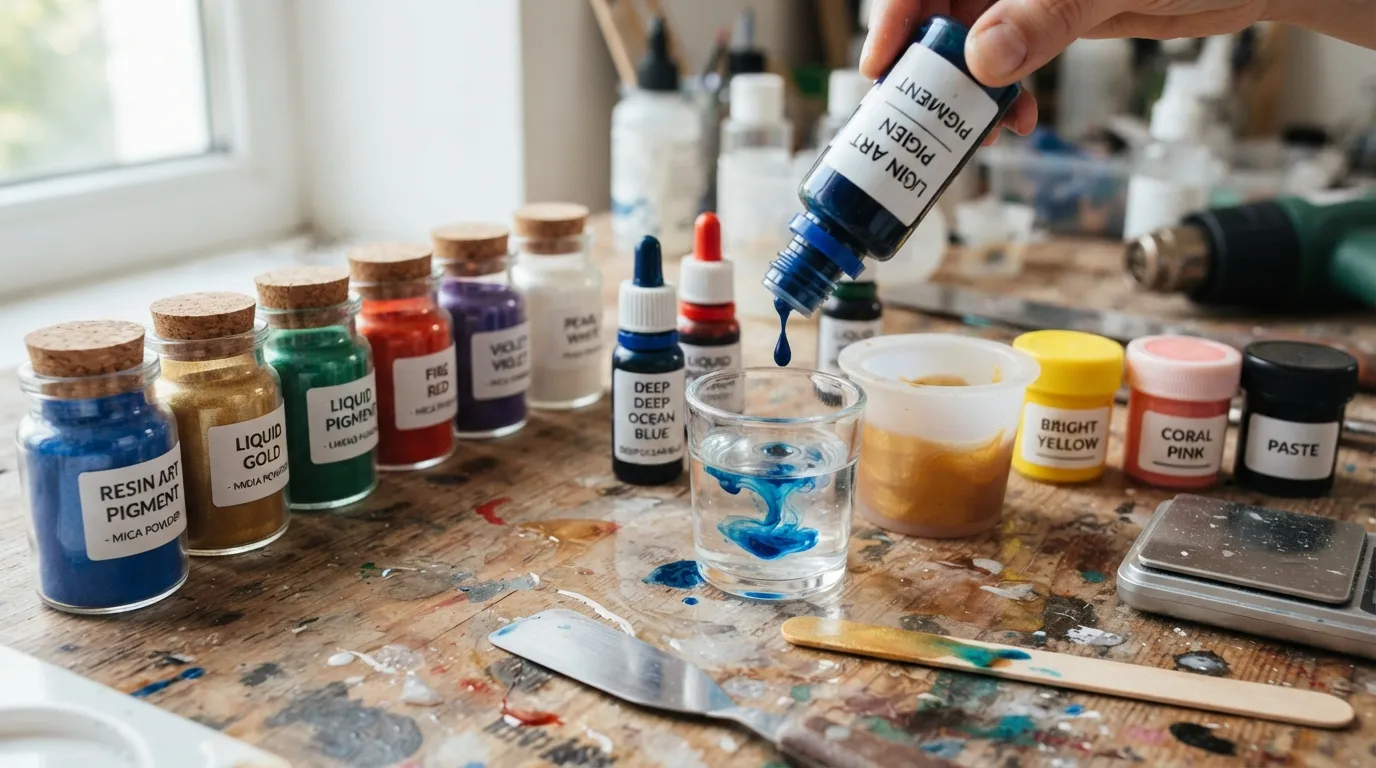
- UV resin supplies must be able to sustain regular curing. A starter kit of practical UV resin can consist of silicone molds, a UV lamp, mixing sticks, tweezers, gloves, keychain rings, jump rings, decorative parts, and a curing stand. The resin crafting supplies are good, and the process is cleaner and results in fewer accidental marks.
- To begin with UV resin, use a small UV resin craft kit and basic shapes. UV resin can be used in small projects with a clear UV resin kit. Select keychain resin molds with shallow areas first. When choosing the keychain resin molds, ensure that the material is flexible silicone and the opening must be such that the UV light can reach the resin. Have simple UV resin supplies on hand.
How to Make Keychains Using UV Resin
It is easy to learn how to use the UV resin molds to create keychains, yet details count. Wipe the silicone mold and put it on a flat surface. Apply a thin coat of resin, and add glitter, a printed image, dried decoration, or UV resin charms. Continue adding layers until the mold is at the desired level.
- Do not pour into a deep mold. Thin layers enable the light to penetrate better and can decrease trapped bubbles. When you are pouring clear UV resin keychains, wait a little to allow bubbles to form. A sharp instrument may be used to push the bubbles off.
- When you inquire how long to cure UV resin keychains, JINHUA specifies 60-120 seconds for its 1121S material, and real performance will be determined by the intensity of light and light transmission.
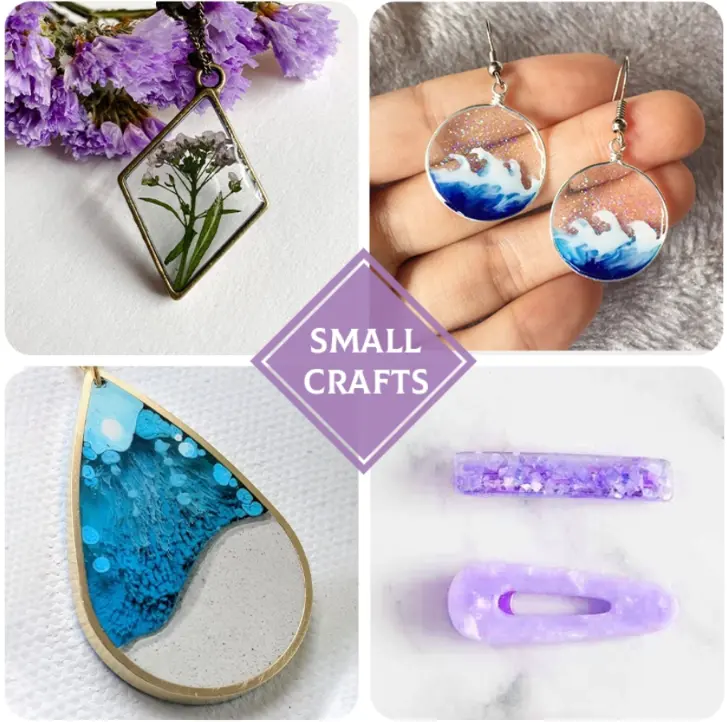
- After the cure, take the piece out of the resin keychain molds. Install the hardware using the hole. To give it a glossy topcoat, rub on a thin finish and dry once more. This technique is appropriate for DIY resin keychains, resin pendants, UV resin projects, and resin charms.
Technical Factors Influencing Curing
Time does not dictate curing. The result depends on UV intensity, distance between the lamp, resin thickness, pigment concentration, and transparency. Opaque or dark decoration can decrease light penetration, and thus a heavier layer of decoration might require extra exposure.
- The specifications published by JINHUA give handy benchmarks. The 1121S UV resin contains 1100-1400 CPS viscosity, 20 MPa tensile strength, and 86 Shore D hardness after curing. It has a shelf life of one year.
- When you ask what UV resin to use on keychains, select a formula that has appropriate cure data. The question of what size UV light to use in resin keychains is not as crucial as the lamp should offer the right wavelength, intensity, and coverage to the resin. Adhere to the technical data sheet of the product.
Basic Issues and Easy Solutions
Among the frequently asked questions is, why is my UV resin for keychains sticky? Lack of light exposure, too thick a surface, pigment interference, or an inappropriate curing system can lead to a sticky surface.
- When you need to know how to cure sticky UV resin, first find out whether the resin is under-cured. Provide the surface with more UV exposure at varying angles.
- Another common problem is bubbles. To know how to avoid bubbles in resin keychains, pour slowly, do not mix vigorously, and allow the resin to rest a little before curing.
When UV Resin is More Preferable Than the Others
The most suitable UV resin to make keychains is applicable in cases where the project is small, and you desire a quick curing process without combining two resins. It can also be used on UV resin jewelry and keychains, as well as UV resin charms and other finishes.
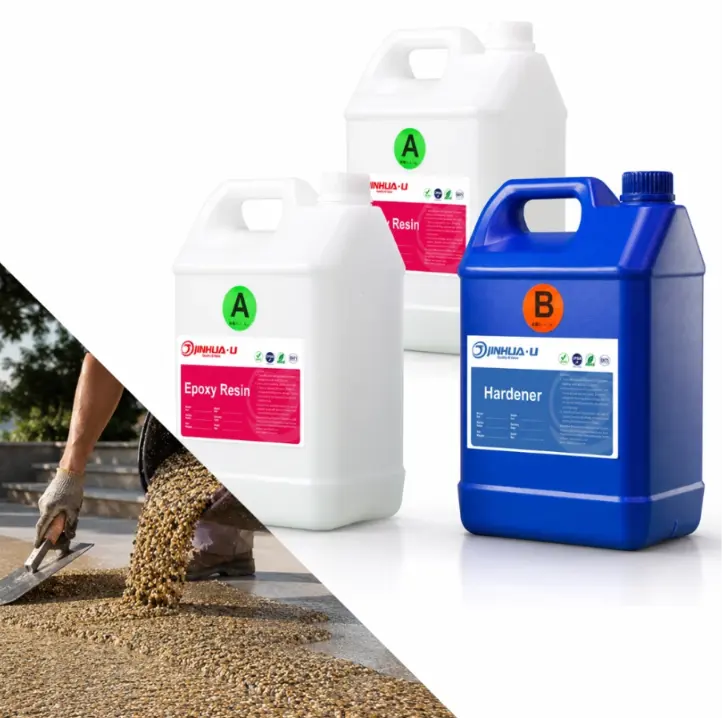
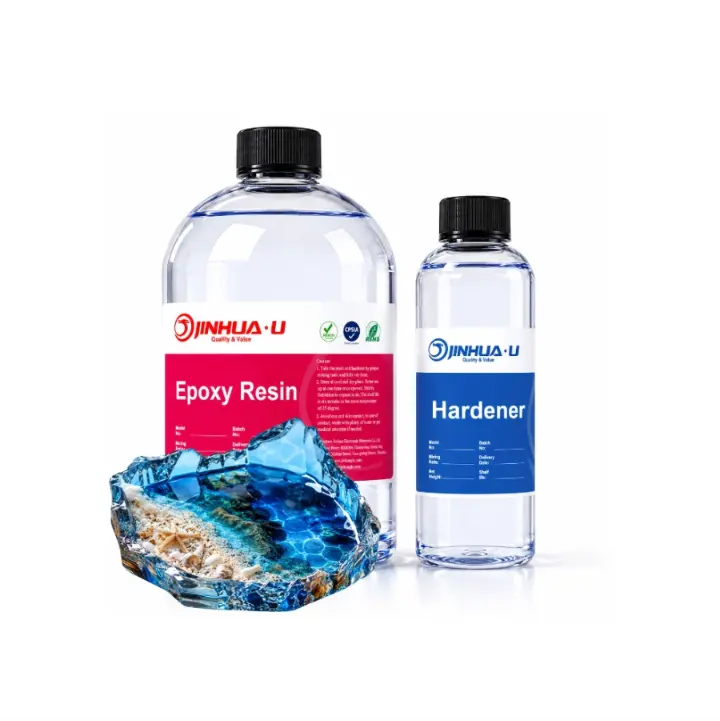
Keychain epoxy can be handy in larger or deeper castings, where UV light is unable to reach all of the casting.
Conclusion
A gorgeous keychain is not only a matter of ornamentation to achieve clean and repeatable results. The final product is influenced by the resin clarity, viscosity, curing conditions, hardness, and mold design. Having the right material to work with simplifies the work and allows small details a better opportunity to shine. Ready to transform little ideas into finished works? Discover JINHUA to rely on resin solutions based on innovative projects and real performance.