




Liquid silicone rubber (LSR) is a high-performance elastomer that is commonly used for precision-engineered, flexible and durable parts. It is heat-resistant, chemically resistant, elastic, electrically insulating, and biocompatible, making it ideal for use in demanding applications, such as medical devices, automotive systems, electronics, consumer products and industrial equipment.
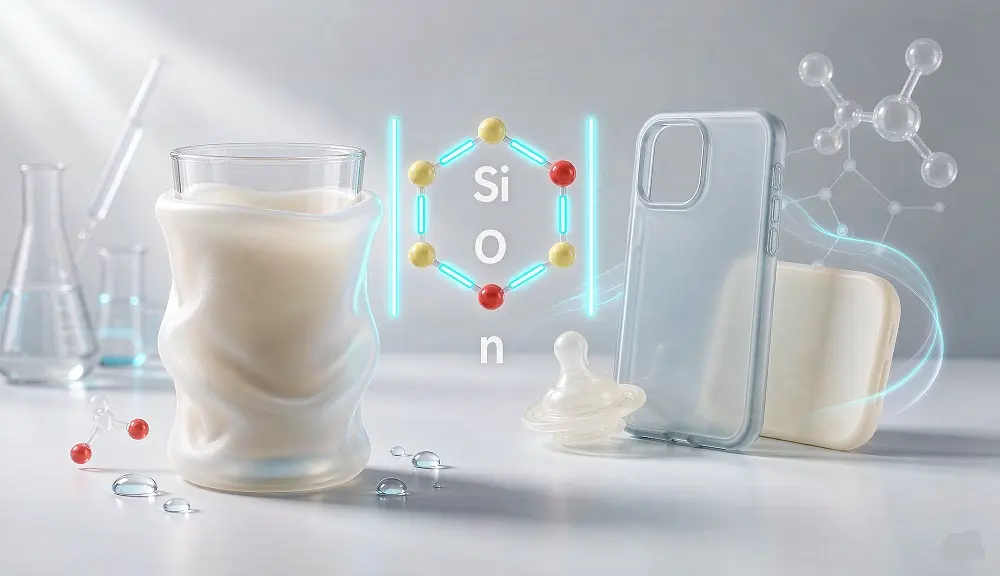
While silicone rubber is the usual material used in today's manufacturing of these items, the material used is actually LSR, which begins as a low-viscosity 2-part liquid system and is typically processed by liquid injection molding. This enables manufacturers to manufacture complex shapes, thin-walled parts, tight tolerances for sealing faces and high-volume parts.
What Is Liquid Silicone Rubber?
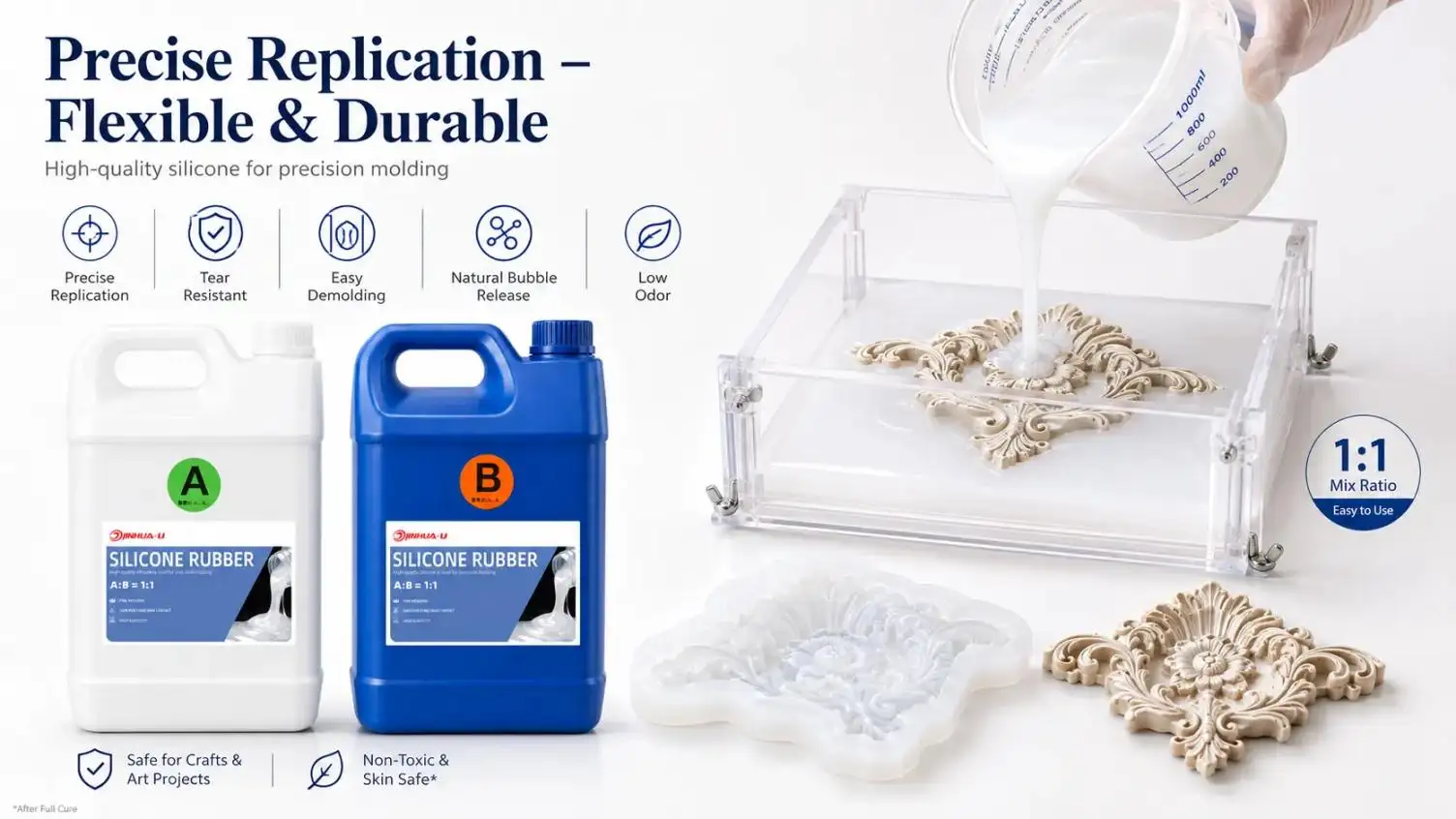
Liquid Silicone Rubber is a two-component silicone compound that is liquid prior to curing. Both parts are typically combined in a predetermined ratio, and fed into a heated mold where the parts are cross-linked and converted to a rubber elastic component.
LSR is composed of a silicone polymer structure with silicon, oxygen, carbon and hydrogen. It has an excellent flexibility and stability over a wide temperature range owing to its molecular structure.
The low viscosity of LSR is one of the most important properties. The material is easy flowing that helps it to cast the fine details precisely and consistently, being able to fill up the complex mold cavity. This is why liquid silicone rubber is great for precision molding.
Key Properties of Liquid Silicone Rubber
Many traditional elastomers do not exhibit the same combination of physical and chemical properties as LSR.
1. Excellent Temperature Resistance
Liquid silicone rubber is highly flexible and can perform its functions over a broad range of temperatures. Depending on the formulation, LSR can typically operate at temperatures from approximately -60°C to 180°C.
It is thus ideal for parts subject to multiple heating and cooling cycles, such as automotive seals, appliance parts, connectors and industrial gaskets.
2. High Flexibility and Elasticity
LSR is capable of stretching, compressing, bending and reverting to its original shape multiple times. Different hardness levels are available; they are usually very soft grades to much harder elastomers.
The versatility of this material suits seals, membranes, buttons, diaphragm, grips, and soft touch applications.
3. Chemical Resistance
Liquid silicone rubber has high water, moisture, many chemical, cleaning and environmental resistance. This property is especially valuable for medical, automotive, industrial and outdoor use.
4. Excellent Electrical Insulation
Silicone rubber is a material that has a natural insulating property. Therefore, LSR can be used for electrical connectors, cable seals, insulating components, protective covers and electronic assemblies.
It is also used extensively in high performance electronics because it can retain its electrical characteristics over a wide temperature range.
5. Biocompatibility
Some medical LSR grades are specifically formulated for use in biomedical applications where material properties and biocompatibility are important factors. For applications like medical seals, valves, tubing components, respiratory equipment and other medical uses.
Medical applications demand more than just silicone's basic qualities and necessities for material selection, testing, and regulatory compliance.
6. Excellent Transparency and Colorability
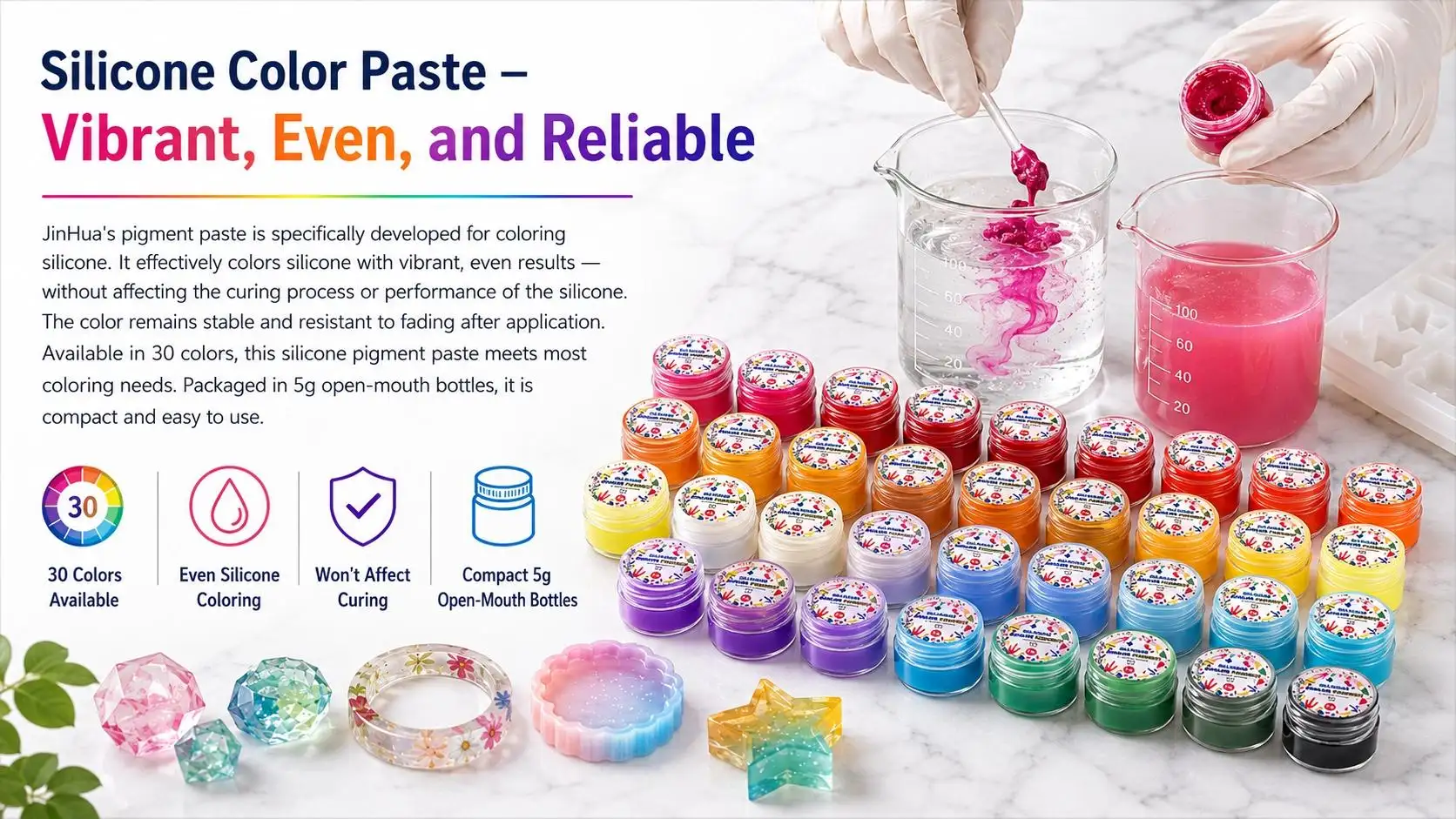
LSR is available in translucent or transparent material and can be coloured as per product specifications. This provides the designers with a high degree of flexibility in designing consumer, medical and industrial products.
Common Types of Liquid Silicone Rubber
Different LSR formulations are available for different performance requirements.
Medical-grade LSR is formulated for healthcare applications where biocompatibility and material consistency are important.
Food-grade LSR is designed for applications involving food contact, such as kitchen products, seals, baking accessories, and baby products, subject to the applicable regulatory requirements.
Self-bonding LSR can bond to selected substrates such as metals and engineering plastics, potentially reducing the need for additional adhesives or primers.
Self-lubricating LSR contains specialized additives that help create a lower-friction surface after curing.
Conductive LSR incorporates conductive fillers to provide controlled electrical conductivity for specialized applications.
Flame-retardant LSR is formulated to improve resistance to ignition and flame propagation where specific fire-performance requirements apply.
Fluorosilicone LSR offers enhanced resistance to fuels, oils, and certain aggressive environments, making it useful for selected automotive and industrial applications.
Advantages of Liquid Silicone Rubber Molding
Liquid injection molding is one of the most important manufacturing processes for LSR components. It combines the flow characteristics of liquid silicone with automated, highly repeatable molding.
The basic process begins with two components that are stored separately. They are metered, mixed, and injected into a precision mold. Heat accelerates the curing reaction, transforming the liquid material into a solid elastomer.
The major advantages include:
- Excellent repeatability for production parts
- Efficient manufacturing of complex geometries
- Ability to mold thin sections and fine details
- Fast automated production cycles
- Consistent material distribution
- Reduced manual processing
- Potential for insert molding and overmolding
- Wide selection of hardness and material grades
LSR can also be combined with other materials to create multi-material components. For example, silicone can be overmolded onto plastic or metal substrates to create integrated seals, grips, buttons, and protective components.
Liquid Silicone Rubber vs. Traditional Silicone Rubber
LSR and high-consistency rubber (HCR) are both silicone elastomers, but they are processed differently.
LSR has a lower viscosity and is supplied as a two-component liquid system. It is particularly suitable for automated injection molding and high-volume precision manufacturing.
HCR is supplied as a much thicker, gum-like material and is typically processed through techniques such as compression molding or transfer molding.
For highly automated production and intricate components, LSR can provide important manufacturing advantages. However, the best material depends on the component geometry, production volume, required performance, tooling strategy, and cost objectives.
Applications of Liquid Silicone Rubber
Because of its broad performance range, LSR is used across numerous industries.
Medical and Healthcare
Medical-grade silicone can be used for seals, valves, diaphragms, respiratory components, tubing-related components, and other medical products where flexibility and biocompatibility are required.
Automotive
Automotive manufacturers use LSR for gaskets, seals, connectors, sensor components, protective boots, and other parts exposed to heat, moisture, vibration, and environmental conditions.
Electronics
LSR provides electrical insulation and environmental protection for electronic components. It can be used for connectors, keypads, seals, cable protection, and encapsulation-related applications.
Consumer Products
Everyday products such as baby-care components, kitchen accessories, grips, buttons, appliance seals, and personal-care products can benefit from silicone's flexibility, durability, and soft-touch characteristics.
Industrial Equipment
Industrial applications include gaskets, valves, diaphragms, seals, vibration-damping components, and protective parts. LSR is especially useful where components must withstand repeated mechanical movement and temperature changes.
Design Considerations for LSR Parts
The first step towards achieving the successful molding of liquid silicone rubber is having a good product design.
Wall thickness, parting lines, undercuts, tolerances, sealing surfaces, draft, material hardness, and anticipated deformation should all be taken into account by engineers.
LSR flows easily to small details, so it can duplicate complex details. Very thin sections, abrupt cuts, or gates placed in the wrong position can impact filling and curing performance, however.
The design of the mold is also significant. The flow properties, curing temperature, venting, and part removal of the material must be considered when designing precision tooling.
The design phase is an ideal time to work with an experienced LSR manufacturer to foresee any manufacturing issues. DFM analysis can help to minimize tooling changes, production defects, and unnecessary development costs.
How to Choose the Right LSR Manufacturer
When selecting a liquid silicone rubber manufacturing partner, evaluate more than material availability.
Look for experience with:
- Precision LSR injection molding
- Medical or food-contact applications when applicable
- Multi-material overmolding
- Complex silicone geometries
- Automated production
- Material traceability
- Dimensional inspection
- Quality management systems
- Prototype and production support
Any manufacturer with capability should also be able to give engineering feedback prior to production. For various application demands, DEK emphasizes on DFM support, process analysis, first article inspection and quality certifications.
Manufacturers can also provide silicone additive manufacturing for prototypes and low volume production for projects with complex silicone parts. In addition to silicone, DEK's 3D printing services for silicone are also available for other silicone materials such as LSR, which can be used to create complex flexible parts.
Conclusion
Liquid Silicone Rubber is a superior material for manufacturers requiring flexible, durable, heat resistant, chemically resistant and precisely molded components. It is highly viscous and allows complex molding, and has cured properties that make it extremely elastic and reliable.
LSR can be used for many applications with advanced product development needs such as medical devices, automotive seals, electronic components and consumer goods.
The selection of the appropriate LSR grade, the design of the part for manufacturability and a knowledgeable manufacturer are crucial to the achievement of consistent quality and economical production. In cases of prototypes, special components or mass production, the most appropriate silicone processing technology can have a positive influence on the product performance and production efficiency.