



Updated 9 minutes ago
Liquid Color Paste for Epoxy Resin, Pigment Types and Uses
sidrahafeez754
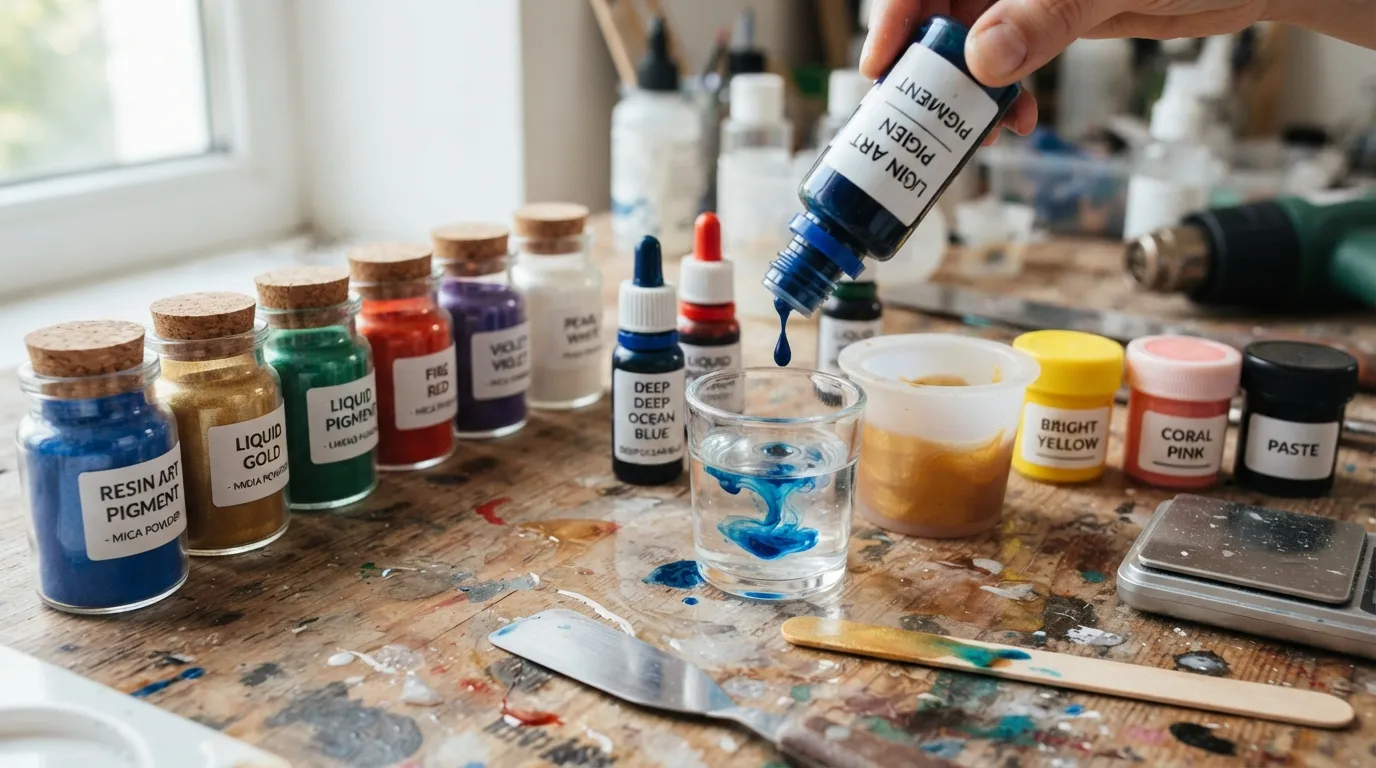
Liquid Color Paste for Epoxy Resin: Guide to Pigments and Color Control
It may seem easy to add color to resin until you realize that you have to make the shade appear even, bold, and consistent once it has cured. A low-quality colorant may need to be added several times. An incompatible pigment may result in uneven spots or influence the final finish.
- This is where a well-developed liquid color paste can come in. It enables the addition of color to be controlled and enables manufacturers, artists, and craft makers to make repeatable shades.
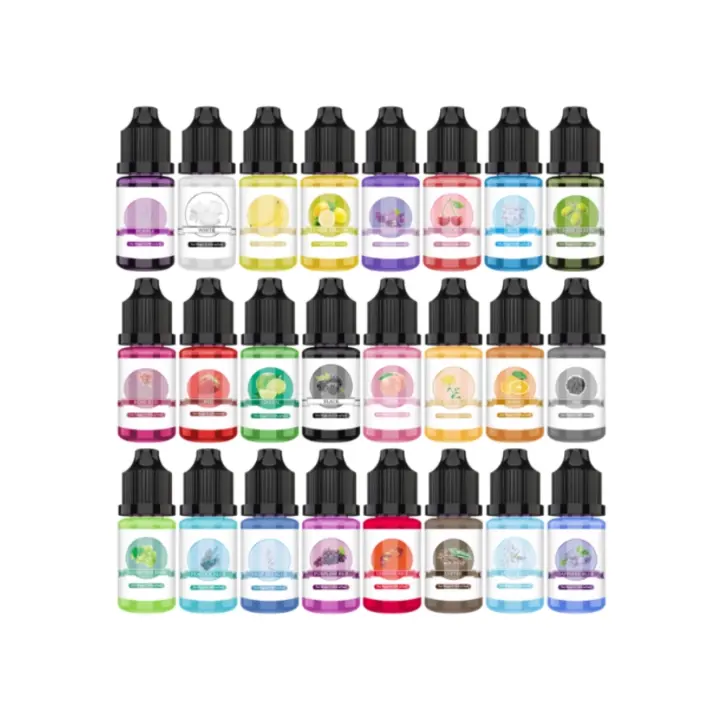
- The correct product must provide good pigment dispersion, high tinting strength, appropriate viscosity, and good compatibility with the resin system. The resin pigment paste of JINHUA follows a slightly different path as compared to a normal liquid dye. It is an opaque color paste of high concentration that was designed to be used with AB epoxy resin systems whereby solid color and covering power are more important than transparency.
What is a Liquid Color Paste?
A color paste is a colored material that is concentrated and has pigments suspended in a carrier or compatible medium. It may be incorporated into a base material to form a certain shade.
- A liquid pigment paste can be applied to epoxy, polyurethane, silicone, acrylic, plastic, rubber, and coatings, or other materials depending on its formulation. The most significant one is compatibility. A pigment that performs well in one polymer system might not perform in the same way in another.
- The resin pigment paste produced by JINHUA is used in epoxy resin, UV resin, and gypsum powder. It is described on the product page as an opaque color paste that is used to cast solid-color and larger craft pieces as well as in potting.

Concentration is Important in Pigment Paste
Among the greatest benefits of a concentrated color paste is that a fairly limited addition can produce a powerful visual impact. It is especially handy when making solid colored resin parts whose transparency cannot be sufficiently colored.
We report its formulation as a high-concentration colorant, with high hiding power and high tinting strength. It comes in six colors that can also be combined to produce custom colors. Nevertheless, additional pigment is not necessarily good. Overloading of pigments may alter the flow and look of the resin. It may also make mixing harder. The practical target is sufficient color to give the necessary coverage without unduly overloading the resin.
Epoxy Resin Liquid Color Paste
One of the most popular uses of concentrated pigment systems is epoxy. An epoxy-compatible liquid color paste must be able to disperse smoothly and be compatible with the resin and the curing system.
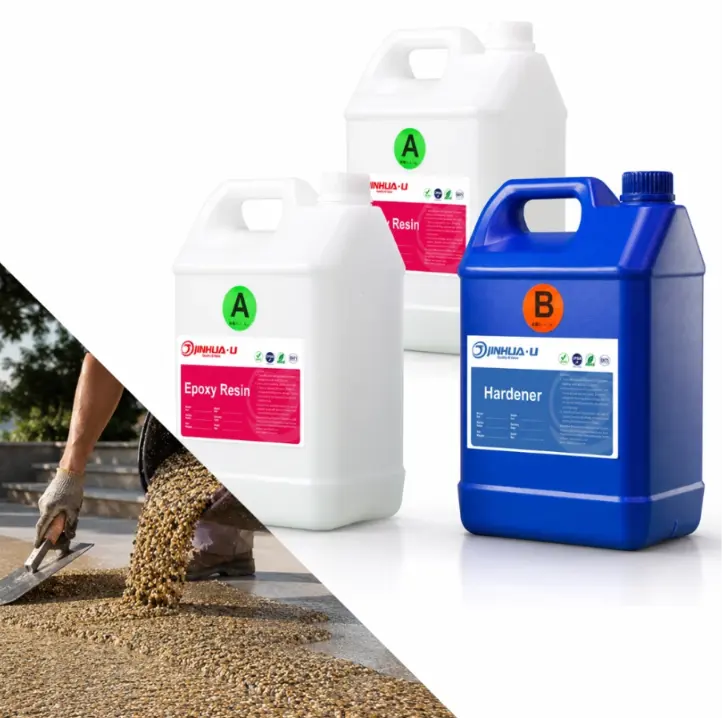
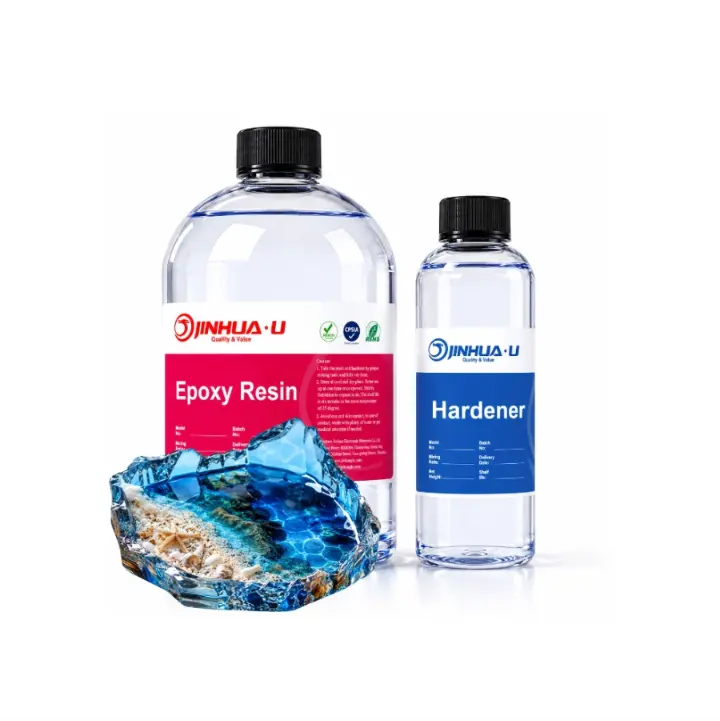
The product of JINHUA is targeted at AB epoxy resin systems. According to the manufacturer, the pigment paste offers opaque solid-color effects and can be applied without interfering with the curing process or performance of the epoxy when applied correctly.
An epoxy color paste can be used to:
• Solid-color castings
• Decorative objects
• Large craft pieces
• Coated components
• Potting applications
• Industrial filling
• Colored epoxy parts
To expand the use of resin, JINHUA also offers a line of epoxy resin products to include various casting, coating, flooring, and industrial formulations.
Pigment Paste Vs Liquid Pigment
The terms may be similar, yet not necessarily the same. A liquid paint is usually formulated to be easily dosed and dispersed. A pigment paste has a greater amount of pigment dispersed in an appropriate carrier, which makes it have a thicker and more concentrated structure.
An example is a liquid colorant, which is handy when producing clear or lightly coloured resin. When the objective is strong coverage and an opaque finish, a concentrated epoxy pigment paste is more appropriate.
The decision will be based on the visual effect you require:
• Liquid pigment: lighter shades and tinting control.
• Pigment paste: more intense color and more coverage.
• Mica pigment: shimmer and pearlescent effects.
• Metallic pigment: reflective finishes.
• Opaque pigment: solid color coverage.
• Transparent colorant: maintains more visual depth.
Color is Not as Important as Pigment Compatibility
A beautiful color is of little use when the pigment does not suit the base material.
Pigment compatibility is the ability of the coloring material to perform in a specific resin or polymer system. Epoxy is particularly sensitive to resin compatibility since the coloring material must not disrupt the desired curing behavior. Various formulations might need various colorants, such as:
• Water-based color paste
• Solvent-based color paste
• Oil-based color paste
• Silicone color paste
• Polyurethane color paste
• Acrylic color paste
• Plastic color paste
• Rubber color paste
Do not think that a general-purpose coloring material will be equally effective in all of these systems. Technical recommendations should be observed before production use, and they are always found in the technical recommendations of the manufacturer.
Knowledge of Color Strength and Tinting Strength
Color strength is used to describe the intensity of a pigment on the base material. Tinting strength is directly associated and assists in deciding the amount of pigment to use to produce a specific shade.
A strong pigment may be used to minimize the quantity of colorant used. This may be beneficial to manufacturers since controlled dosing enhances batch consistency and makes it easier to match colors. The product of JINHUA is characterized by high tinting strength and concentration. It comes in six colors that may be worn separately or mixed to make custom colors.
Typical Uses of Resin Color Paste
A resin Liquid color paste can be used in creative and industrial applications. The correct formulation will be based on the resin and the appearance needed. Typical applications include:
• Resin casting
• Epoxy art
• Decorative objects
• Craft products
• Large molded pieces
• Potting materials
• Coated components
• Industrial filling
• Gypsum coloring
• UV resin applications
JINHUA includes epoxy resin, UV resin, and gypsum powder as some of the uses of its resin paste in pigments.
Conclusion
Control is the beginning of good color. The pigment must be dispersible, compatible with the resin chemistry, and provide the coverage that your application actually requires. When these factors are correct, it is much easier to develop consistent and attractive resin products. Get in touch with JINHUA to discuss your color needs, order samples, or find a custom resin coloring solution.