



Updated 13 minutes ago
Epoxy Resin Color Pigment for Clear, Vibrant and Custom Resin Colors
sidrahafeez754
Epoxy Resin Color Pigment: How to Choose and Use the Right Resin Colorant
The color would entirely transform the nature of a resin project. A clear casting may be graceful and glassy, and the correct tint may make of the same composition a bright, frolicsome, or highly dramatic object. The difficulty is to obtain that color without affecting the resin curing properties or transparency.
- An excellent epoxy resin color pigment must mix easily, give a powerful color with a minimal amount, and be stable after curing. In the case of transparent projects, the colorant must also maintain the depth and light-through quality of clear resin, which is so appealing.
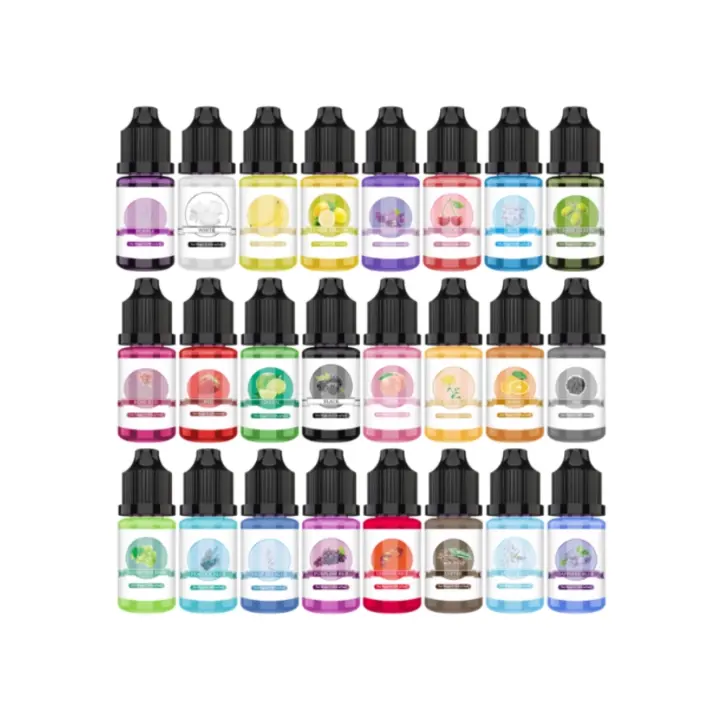
- The liquid colorant of epoxy offered by JINHUA is used in epoxy and UV resin. It is available in 24 colors, with a high-concentration transparent formulation to be used in controlled tinting, gradients, layered effects, jewelry, ornaments, and casting crafts.
What is an Epoxy Resin Color Pigment?
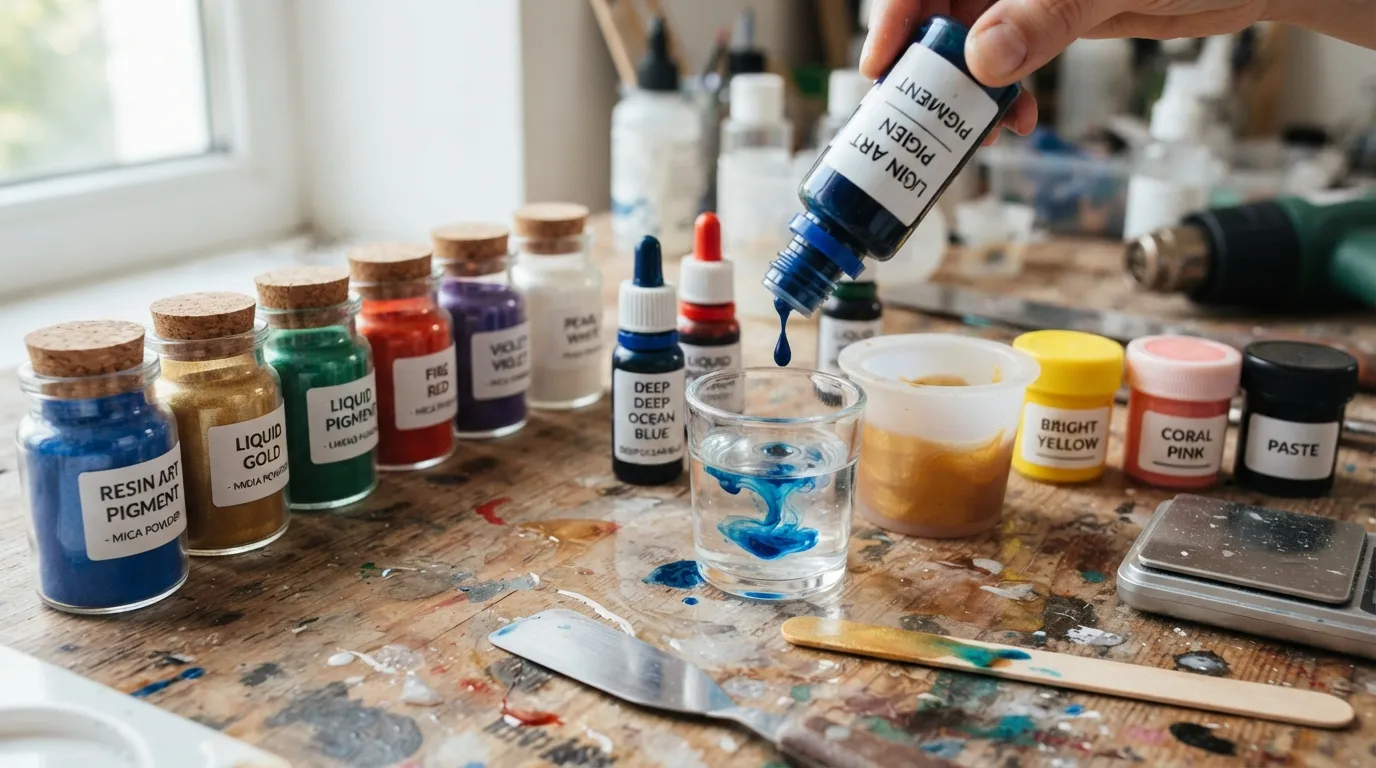
Epoxy resin color pigment is a coloring substance that is added to resin to produce a desired color or effect. It can be provided in a liquid, powder, paste, mica-based material, or special effect pigment depending on the formulation.
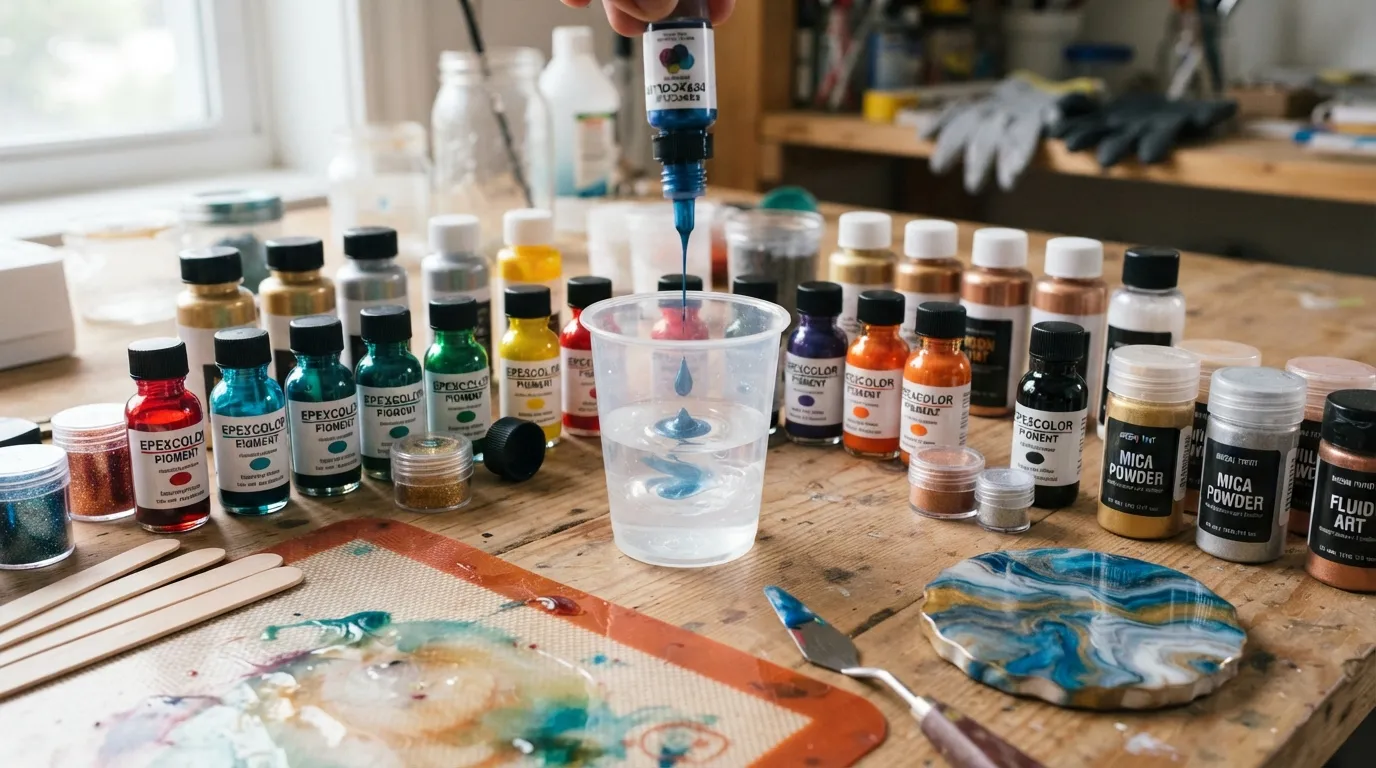
- A liquid resin colorant comes in handy especially when you need to make small color changes. It may be added slowly and blended directly into appropriate resin systems. Powder pigments, in turn, may be more opaque or special effects based on their chemistry and particle structure.
- The product of JINHUA is a transparent liquid epoxy resin colorant in a dropper bottle. The product is characterized as a high-concentration clear tint that can be applied with epoxy resin and UV resin.
Liquid or Powder Pigment?
Whether to use a liquid pigment or an epoxy pigment powder is a matter of the finish you desire.
- An epoxy resin liquid pigment is handy when it is important to have fine dosing and fine control of color. The drip-type bottle of JINHUA is designed to be added in a controlled manner, which can be handy when testing small batches or making custom shades.
- An epoxy resin mica powder may be used to produce pearl or shimmer effects. Resin mica pigment is used in decorative work due to the reflective particles that can be used to produce movement and depth.
Other options include:
• Epoxy metal pigment.
• Pearl pigment for resin
• Epoxy fluorescent pigment.
• Resin phosphorescent pigment.
• Glow-in-the-dark resin pigment
• Transparent resin pigment
• Opaque resin pigment
• Translucent resin pigment
All types are different, and hence compatibility with the resin must always be verified before production.
Understanding Pigment Concentration
Pigment concentration is one of the most important factors when comparing colorants. A very concentrated product will give a discernible color with a very small addition. This does not imply that it is always true that adding more pigment will produce a better result. Overloading of pigments may alter the appearance and may disrupt the resin system if the formulation is loaded beyond its recommended level of use.
JINHUA refers to its liquid colorant as high concentration and high tinting strength. It comes in a small 5 ml bottle, which is convenient to use in small-scale projects and controlled shade development. To work professionally, one had better create a repeatable pigment-to-resin ratio instead of adding color to the resin by eye.
Technical Factors
There are a number of properties that determine the performance of a colorant within resin. The intensity of color defines the extent to which a small amount of color varies the end shade. The tinting strength is directly connected and is used to show the effectiveness of the colorant on the base resin.
- Pigment particle size may influence dispersion, opacity, surface appearance, and settling. Smaller particles can be dispersed differently than larger effect pigments. The density of pigments may also determine whether a material is suspended or is likely to settle during the process of curing.
- Pigment viscosity is important especially when dealing with liquid colorants since it influences the ease with which the material can be measured, dispensed, and mixed.
- Pigment compatibility is another critical consideration. A colorant that has been created to be used in epoxy resin might not act the same as normal paint or water-based coloring substances.
JINHUA in particular says that its liquid colorant is designed to be used with epoxy and UV resin, and should not be used with water-based paint.
Stability and Fade Resistance of Colors
A resin color must not only appear good after it has cured, but also be able to retain its appearance as time goes by.
Light exposure, heat, chemical conditions, and the chemistry of the colorant itself can affect color stability. UV exposure may be particularly critical for decorative items that are located by the windows or are outside. Nevertheless, the true durability is dependent on the entire resin system and environment. Accelerated aging or application-specific testing can be suitable in demanding applications.
Where Can Epoxy Colorants Be Applied?
A suitable epoxy resin color pigment can be used in:
• Resin casting and decorative casting.
• Jewelry and pendants
• Keychains and ornaments
• Small craft pieces and coasters.
• UV resin details
• Decorative objects
• Epoxy flooring
• Model making
• Custom craft products
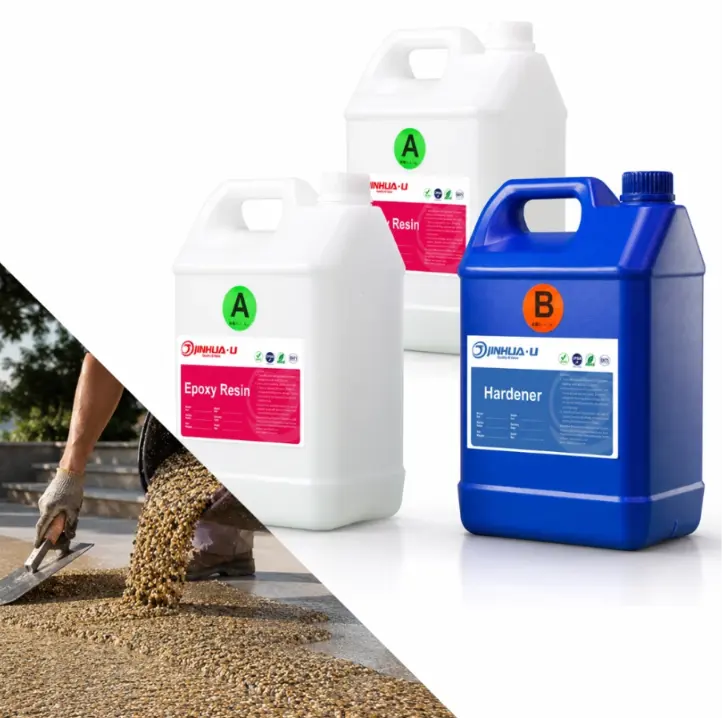
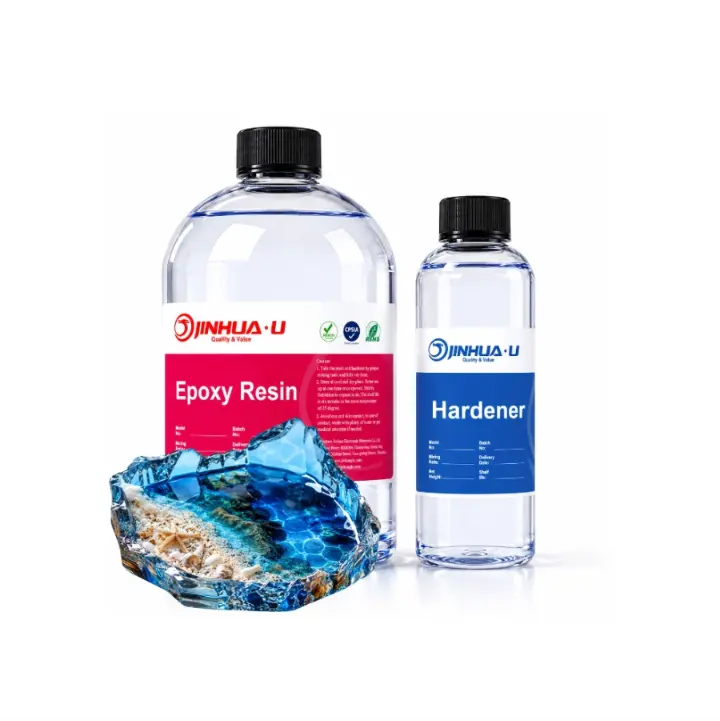
To use resins in a wider range, consider the epoxy resin products and art and craft resin solutions of JINHUA.
How to Achieve Uniform Resin Colours
Consistency is more crucial when producing more than one piece to sell. Take a constant resin batch size and note the quantity of colorant added.
- Apply the same mixing process, temperature, resin ratio and curing conditions to all batches. Record the pigment concentration and
- When doing custom work, start with a small portion of colorant and add it in small increments. This will provide you with more control than putting a large number in at once.
Our dropper packaging helps in this gradual process and simplifies the process of making small additions.
Conclusion
The right balance is the beginning of great resin color. Excessive lack of color can fade away. Excessive amounts will alter the behavior of the resin or conceal the depth that makes clear casting so attractive. A properly developed colorant allows you some space to experiment and maintain control of the process. Get in touch with JINHUA to sample and negotiate special colors or identify the appropriate colorant to use in your epoxy and UV resin projects.