



Updated 36 minutes ago
Decorative Stone Binder for Resin Bound Stone and Aggregate Surfaces
sidrahafeez754
Decorative Stone Binder: Guide to Resin Bound Stone
Loose gravel may be beautiful, but maintaining separate stones is another matter. An appropriate binder alters that. It assists in binding decorative aggregate together and also forming a cleaner and more stable surface for paths, courtyards, gardens, and flooring.
- A contemporary decorative stone binder may be developed to cement pebbles, gravel, sand, and other mineral aggregates to form a continuous surface. The resin on the right requires more than mere stickiness. The final result is affected by binder viscosity, aggregate adhesion, curing time, hardness, weather resistance, and water resistance.
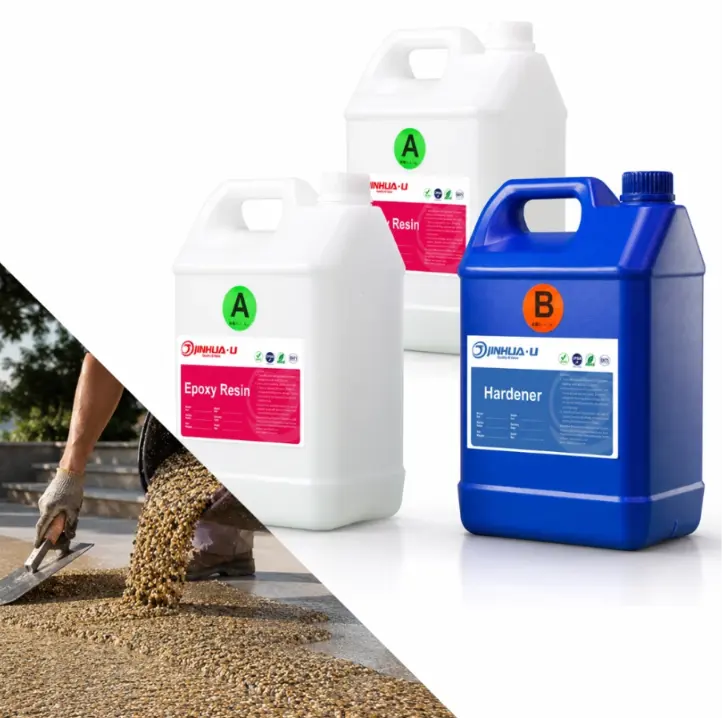
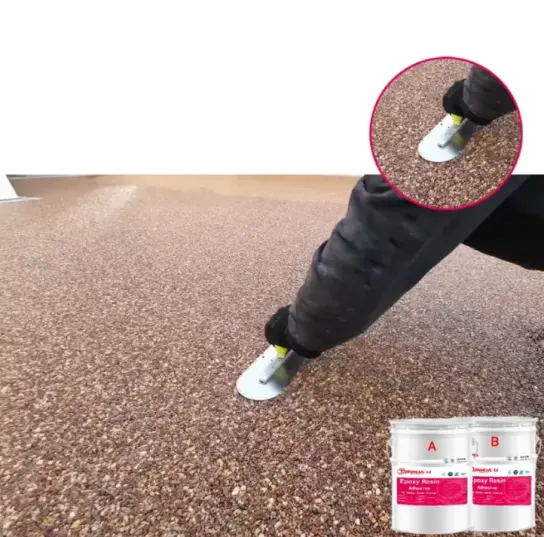
- JINHUAs 2120AB-K26 is a 2:1 epoxy system which is used in aggregate-blended pavement bases, stone surfaces and decorative floor structures. It dries into a solid surface and is used in pebble flooring, bonding of stone, and pavement base.
What is a Stone Binder?
A stone binder is a resin material that is employed to bind loose mineral particles together to form a stable surface. It can be referred to as a decorative aggregate binder, aggregate binder, resin stone binder, or stone resin binder depending on its chemistry.
- The fundamental rule is simple. The resin is blended as per the ratio given and mixed with clean aggregate. The individual particles are coated by the binder, which bonds as it cures. The completed surface is more adhesive than loose gravel itself.
- This is used in ornamental landscaping and resin-bound surfacing. It may also be applied to stone walkways, gardens, courtyard flooring, and decorative pavement structures.
The Influence of Resin Viscosity on Stone Bonding
One of the initial technical properties to check is binder viscosity. It regulates the ease with which the resin diffuses over and between particles of aggregate.
- The stone can be coated with a resin that has the right flow. When the material is excessively thick, it might not penetrate the aggregate structure adequately. When it is too thin, it may be hard to control the application.
- Good resin flow also contributes to enhancing aggregate adhesion and stone adhesion. Nevertheless, surface cleaning and overall cleanliness are important. Bonding can be interfered with by dust, moisture, and loose particles.
Technical Properties That Count
An effective stone binding resin must be judged based on quantifiable characteristics and not just on appearance. The specifications needed will be determined by the location of the surface to be installed. Important considerations include:
- Bonding strength: Good aggregate adhesion to minimize loose particles and surface failure.
- Hardness: A more cured resin may have superior resistance to deformation of the surface. The Shore D hardness of the JINHUA product is 80 +/-3.
- Impact resistance: This is important where stones might be subject to foot traffic, machinery, or unintentional impact.
- Abrasion resistance: Surfaces with heavy traffic require the ability to resist repeated wear.
- Weather resistance and UV resistance: Outdoor uses are subjected to sunlight, rain, and temperature variations.
- Water resistance and moisture resistance: These features come into play in gardens, courtyards, and other outdoor surfaces.
- Chemical resistance: The surrounding environment must be taken into consideration when choosing the resin system.
- Temperature resistance: Bonded surfaces can be subjected to stress due to seasonal temperature variations.
- Freeze-thaw resistance: Repeated freezing and thawing may influence the aggregate and binder performance in colder climates.
Curing Time and Control of Application
The project scheduling is directly related to the curing time. JINHUA 2120AB-K26 has 18-24 hours at 25 C, and its pot life is about 20 minutes. Curing behavior can be affected by temperature, and application conditions should not exceed those recommended by the manufacturer. The accuracy of mixing should also be correct since the product needs a 2:1 weight ratio.
Minor bubbles can be seen when mixing. JINHUA notes that bubbles can naturally come out after the mixed material rests for several minutes.
We also recommend a small trial before full application. This aids in detecting problems with aggregate compatibility, surface preparation, resin distribution, and working time prior to committing to a larger area.
Selection of the Right Decorative Aggregate Resin
The optimal decorative stone binder is not just the resin name, but rather the resin based on the project. Take into account the type of stone, its size, location on the surface, anticipated traffic, weather conditions, curing time, and appearance requirements.
- In outdoor applications, weather resistance, UV resistance, water resistance, and temperature resistance are of particular significance. Hardness, abrasion resistance, and bonding strength might be more important to consider in the case of decorative flooring.
- In case you require a resin to be used on stone surfaces, JINHua has a range of epoxy resin and floor resin solutions, which can give you more resin formulations and uses to compare.
Make Aggregate Turn Loose to a Lasting Surface
- More than a pretty aggregate is required on a beautiful stone surface. The binder must silently operate under it, binding particles together and maintaining the look and feel of the final surface.
- In the case of projects that require decorative gravel, pebbles, or stone flooring, JINHUA provides resin solutions, which are based on controlled mixing, adhesion, hardness, and curing performance. Read more about the 2120AB-K26 pebble stone epoxy flooring resin or call JINHUA to discuss your type of aggregate, the conditions of use, and the project needs.
Conclusion
The stone might be noticed, but the decorative stone binder decides how well that face will stick. The difference between loose aggregate and a cohesive decorative finish can be determined by the selection of the appropriate chemistry, viscosity, mixing ratio, and curing profile.
We will assist you in choosing a resin system that best fits your stone and use. Get in touch with JINHUA today to get product information, samples,s and customized aggregate bonding solutions.