




DIY crafts, home decor, jewelry and handmade gifts are among the many uses of epoxy resin. It is very clear, has a shiny surface, is versatile and can capture colours and embellishments, making it great for creative projects. Epoxy resin for crafts can be used by any level of maker and offers endless possibilities of creating unique pieces from simple crafting materials.
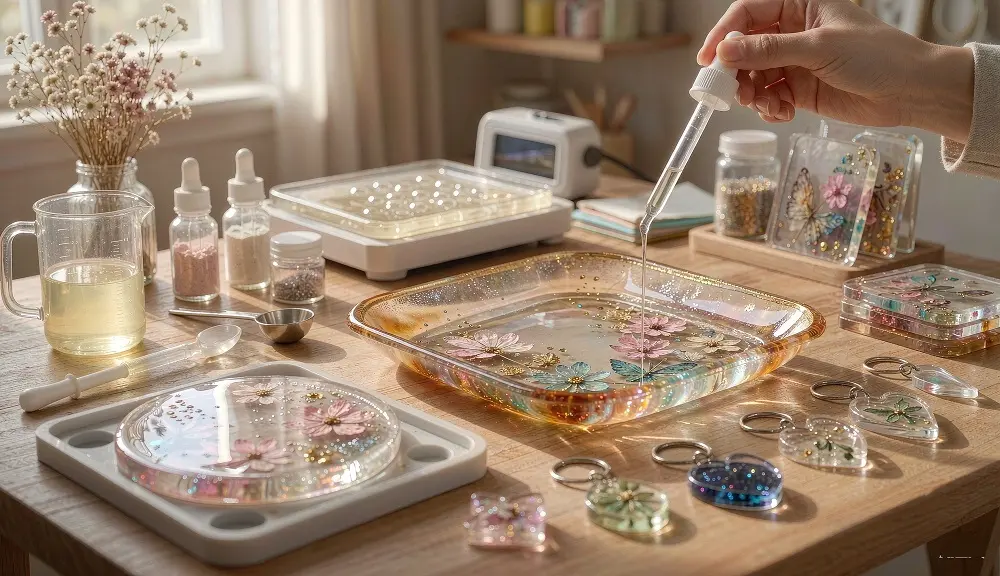
This guide will teach you about what craft resin is, how to select the right epoxy resin for you, what materials you will need, proper safety measures and recommended projects to get started.
What Is Epoxy Resin for Crafts?
The epoxy resin is a 2-part product made up of resin and hardener. When mixed in a proper ratio they react chemically and slowly harden into a solid material that is very hard and resistant to breaking. After being cured, quality craft epoxy resin can offer a smooth, shiny, glass-like finish.
Art and craft epoxy resin is intended for creative projects instead of industrial epoxy systems, which are used for heavy duty use. Usually used as a protective coat, decorative medium or as shallow molds material.
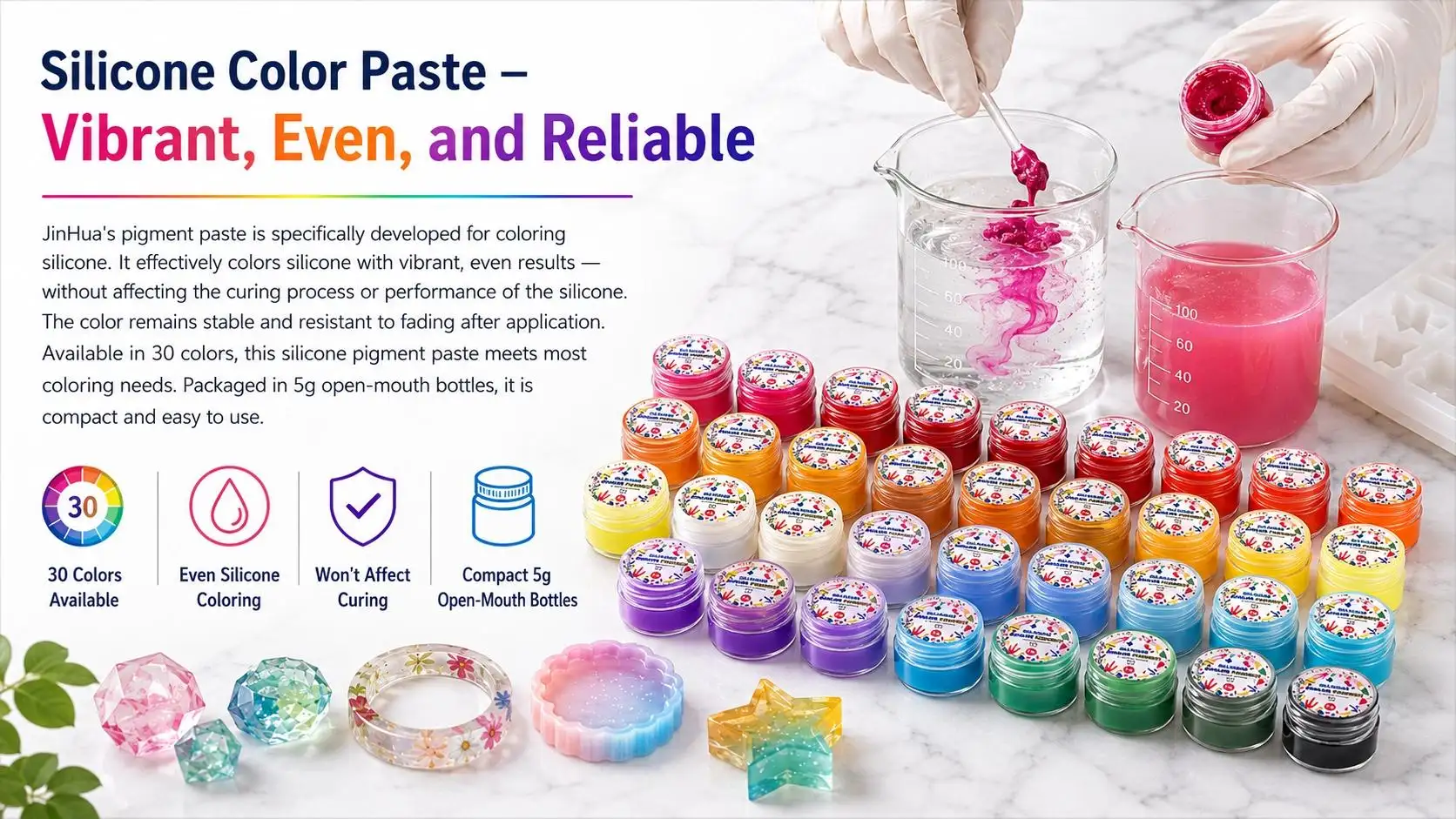
Craft resin can be found in its natural form or mixed with an appropriate pigment, mica powders, alcohol inks, glitter, dried flowers, shells, metallic flakes, and other ornaments. This versatility can be effectively used for both utilitarian and purely artistic purposes.
Why Use Epoxy Resin for Crafts?
The first of the many benefits of epoxy resin is its versatility. One resin can be used for many different projects, ranging from jewelry to decorative trays.
1. High-Gloss Finish
Clear epoxy resin results in a shiny surface which can highlight colors, art, photos and set in decorations. A smooth finish can help achieve a professional and polished look in handmade crafts.
2. Easy Customization
Resin is available in various colours and can be used with different decorative materials. Makers can produce ocean effects, marble patterns, geode designs, abstract art, metallic effects and more.
3. Excellent Versatility
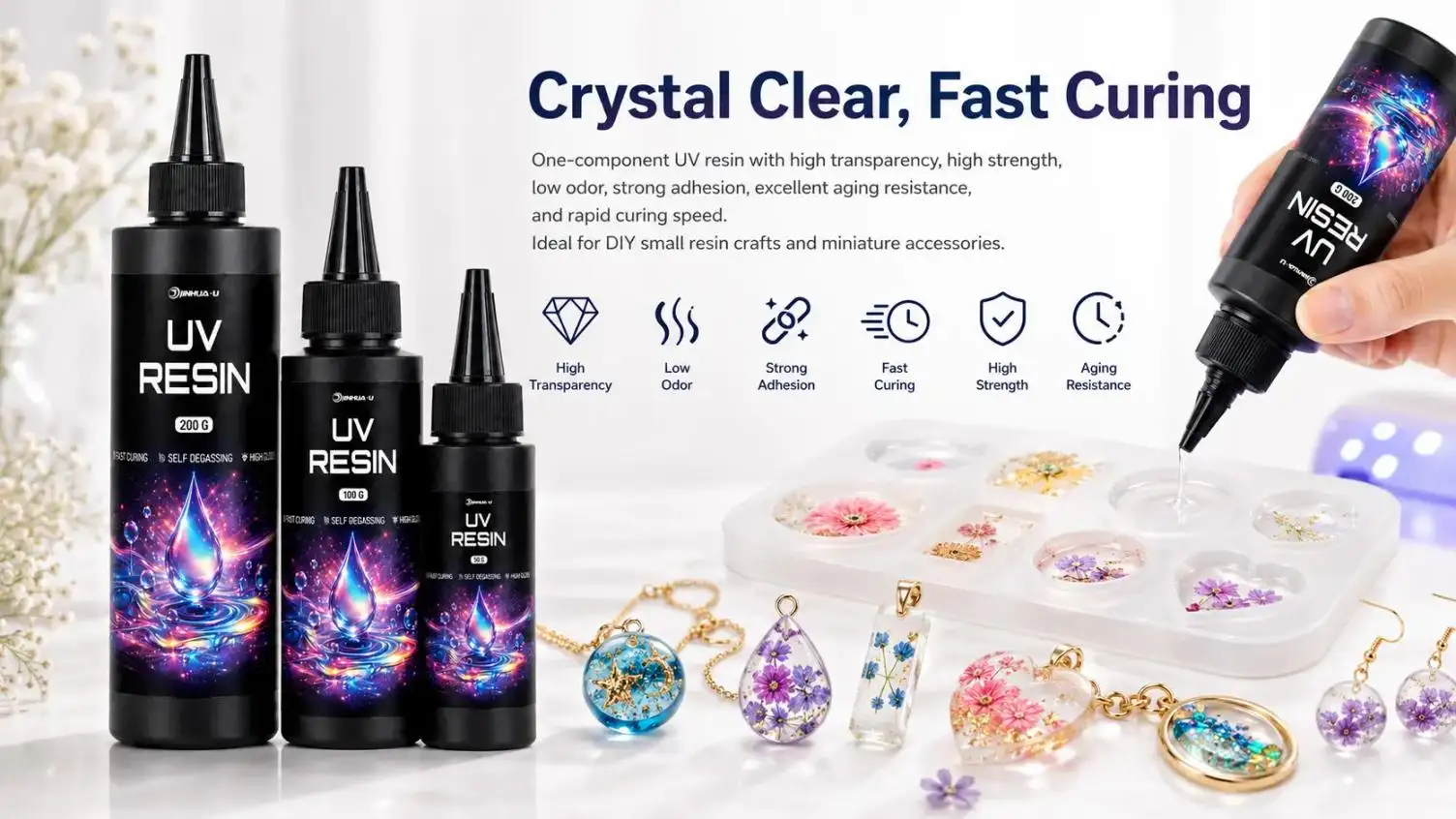
Epoxy resin is used to make coasters, key chains, jewelry, ornaments, trays, bookmarks, magnets, picture frames and many other decorative items.
4. Durable Finished Surface
When cured completely, epoxy resin will create a hard surface that is resistant to water and everyday use. This allows it to be used in many decorative and functional craft uses.
Art Resin vs. Casting Resin
The selection of the appropriate epoxy resin is crucial since there are various types of epoxy resin formulated for different applications.
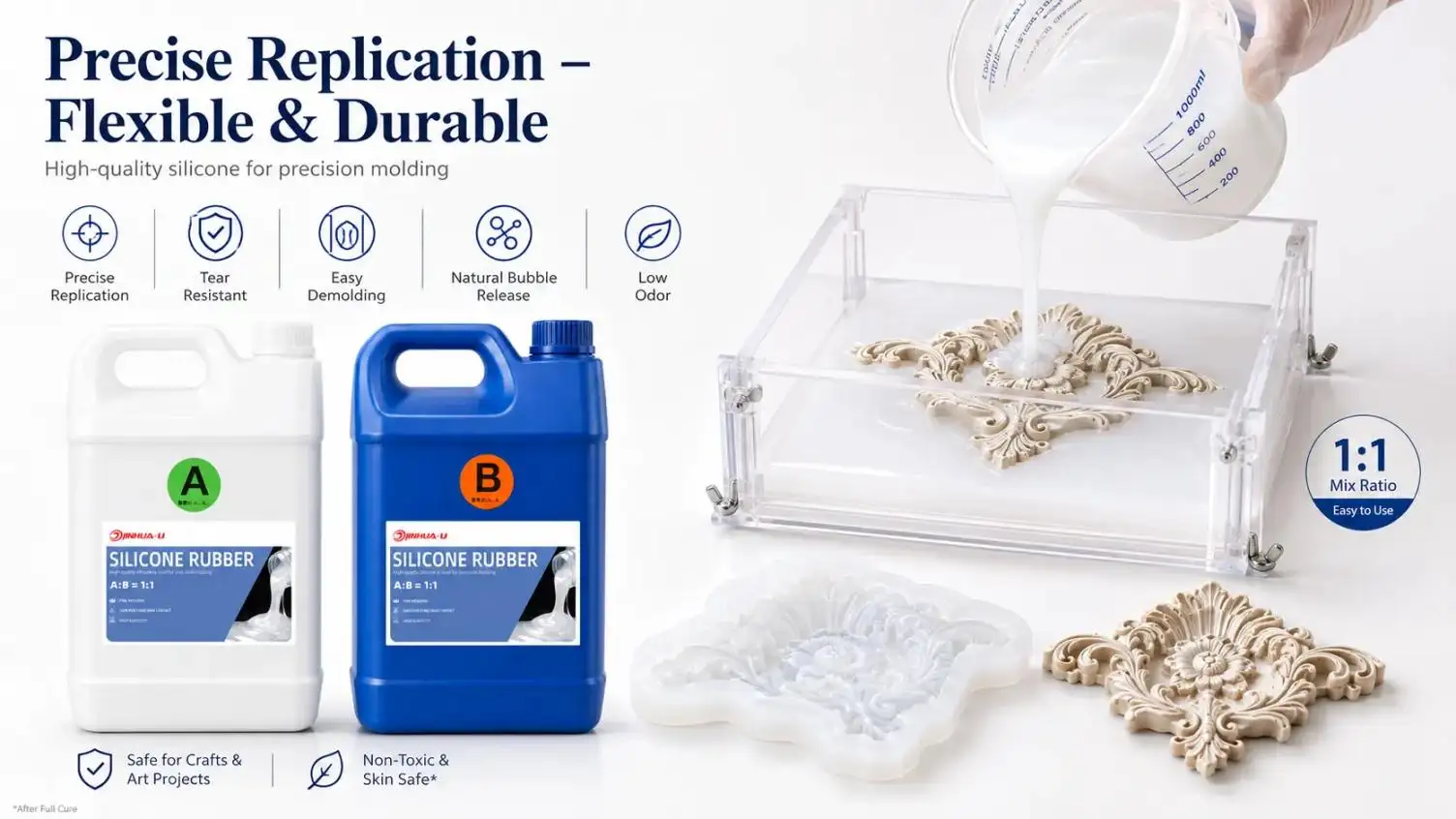
In general, art resin is more viscous and is used for painting the art, thin layers, and shallow molds. The mixing ratio is typically 1:1 (parts of the product to parts of water) for many formulations that are craft oriented, but the manufacturer directions should always be followed.
By contrast, casting resin is typically made to cast deeper. The lower viscosity may allow it to flow around objects and into deeper molds, but may not be suitable for surface coating or some color-blending processes.
If you're just starting out making coasters, jewelry, decorative artwork, trays and so on, an epoxy resin that is marketed specifically for art and crafts is a better place to begin.
Supplies You Need for Resin Crafts
Before starting a project, prepare your workspace and materials. Basic resin crafting supplies include:
- Two-part craft epoxy resin
- Disposable gloves
- Measuring cups
- Mixing cups
- Flat-edged mixing sticks
- Silicone molds
- Plastic or silicone work surface
- Spreader or plastic scraper
- Resin pigments or mica powders
- Alcohol inks, where compatible
- Glitter or decorative flakes
- Dried flowers and other suitable embellishments
- Toothpicks for removing small particles
- Heat tool suitable for resin bubble removal
- Paper towels for cleanup
A clean, level workspace is particularly important because dust, hair, and other particles can become trapped in uncured resin.
How to Make Epoxy Resin Crafts
The exact procedure varies by product, so always follow the manufacturer's instructions. A typical craft-resin workflow includes the following steps.
Step 1: Prepare Your Workspace
Cover your work surface and place your project on a level platform. Make sure the artwork, mold, or object you are coating is clean and dry.
Step 2: Measure the Resin and Hardener
Accurate measurement is essential. Use the mixing ratio specified by the resin manufacturer. For products designed for a 1:1 ratio, equal volumes of resin and hardener are combined. Do not assume that every epoxy resin uses the same ratio.
Step 3: Mix Thoroughly
Pour the components into a clean mixing container and stir slowly and thoroughly. Scrape the sides and bottom of the container so the resin and hardener are properly incorporated. Inadequate mixing can result in soft, sticky, or partially cured areas.
Step 4: Add Color and Decorations
If you want colored resin, add a compatible pigment or colorant after mixing. You can also incorporate decorative elements such as glitter, dried flowers, shells, metallic flakes, or small embellishments.
Avoid adding excessive amounts of colorant or unknown additives because they can interfere with curing.
Step 5: Pour the Resin
Slowly pour the mixed resin into your mold or across the surface of your project. Use a spreader to distribute the resin evenly when necessary.
For art resin intended for thin applications, thicker projects may need to be built up in multiple layers rather than poured in one thick application.
Step 6: Remove Surface Bubbles
Small bubbles can appear naturally during mixing. A suitable heat tool can help remove surface bubbles, but excessive heat can damage the resin or create other problems. Work carefully and follow the resin manufacturer's recommendations.
Step 7: Protect and Cure
Cover the project to protect it from dust while it cures. Curing time varies according to the formulation, temperature, humidity, layer thickness, and other conditions. Many epoxy systems take approximately 24–72 hours to reach full cure, although the manufacturer's specifications should always take priority.
10 Popular Epoxy Resin Craft Ideas
Once you understand the basics, there are many projects to explore.
- Resin Coasters – Create colorful or transparent coasters with flowers, glitter, pigments, or ocean effects.
- Resin Keychains – Use silicone molds to make personalized keychains in different shapes.
- Resin Jewelry – Make earrings, pendants, rings, and other wearable pieces.
- Resin Bookmarks – Combine clear resin with dried flowers, glitter, or decorative paper.
- Resin Magnets – Create small decorative magnets for refrigerators and magnetic boards.
- Resin Trays – Make functional serving or decorative trays with custom colors and patterns.
- Resin Bowls – Layer different colors to create artistic patterns and unique home décor.
- Picture Frames – Add tinted resin or decorative elements to create personalized frames.
- Resin Ornaments – Design seasonal ornaments for holidays, celebrations, or gifts.
- Desk Accessories – Make pen holders, trinket dishes, organizers, and other functional décor.
These applications reflect the broad range of resin craft possibilities, from small accessories to functional home décor.
Tips for Better Resin Craft Results
For consistently attractive results, pay attention to a few important details.
Keep the workspace clean. Dust and hair are among the most common causes of imperfections in clear resin.
Control the temperature. Resin viscosity and working time can change with temperature. Follow the product's recommended working conditions.
Measure accurately. Incorrect resin-to-hardener ratios can prevent proper curing.
Mix slowly but thoroughly. Aggressive stirring can introduce unnecessary air bubbles.
Use compatible colorants. Choose pigments specifically designed or recommended for epoxy resin.
Avoid rushing the curing process. Moving or touching a project before it has sufficiently cured can leave fingerprints, dents, or surface imperfections.
Is Epoxy Resin Safe for Crafts?
With the proper precautions, resin crafting can be done safely. Read the Safety Data Sheet (SDS), product instructions and safety recommendations before using a product. Wear the recommended personal protective equipment and work in a properly ventilated environment.
Don't assume that all epoxy resins are equally safe. The chemical properties, handling and uses of different formulations may vary.
Final Thoughts
Craft epoxy resin is a multifunctional material that is versatile and easy to use. Beginners can make anything from coasters to keychains to beautiful jewelry and home decor with the right craft resin, tools, mixing and curing, and a bit of patience.
The main thrust of resin crafting is to select the formulation that is appropriate for your project. Begin with small projects, take the time to read the instructions for the manufacturer, try out colors that go well together and embellishments, and build up your own techniques.
From handmade gifts and custom jewelry to decorative art pieces and home items, epoxy resin is a versatile and creative medium that can transform simple ideas into long-lasting, intricate, and personalized crafts.