





The crystal-clear finish, durability and creative versatility of epoxy resin make it one of the most favored material among artists, designers, craftsmen and manufacturers. But it can be confusing to pick the right kind of resin, particularly if you're looking at art resin vs deep pour resin.
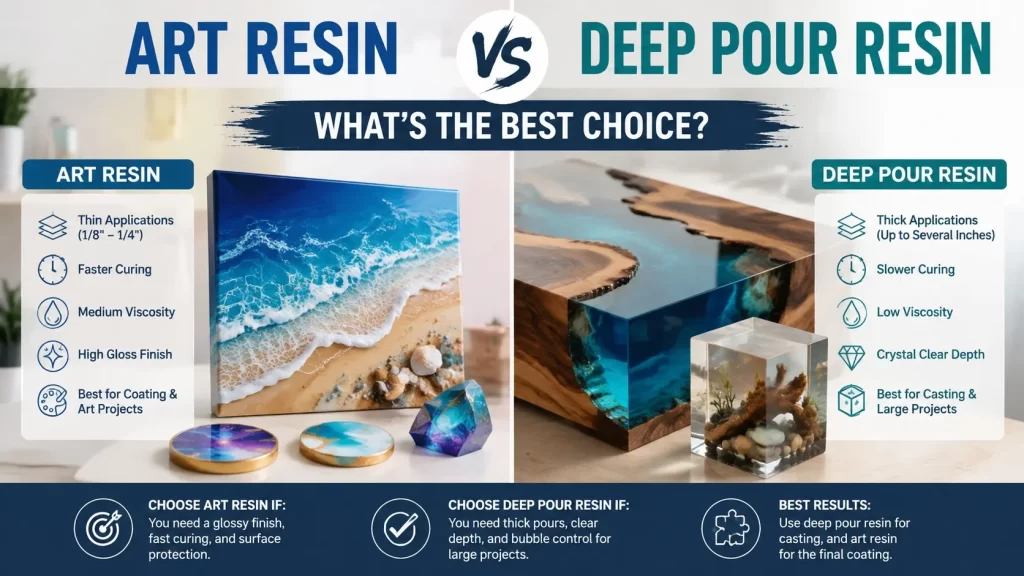
Both materials are epoxy based but used for different applications. Art resin is primarily produced for surface coating and artwork protection and decorative applications, and deep pour resin is produced for thick castings, river tables, molds and large volume applications.
By comprehending the distinction between art resin and deep pour resin, you can pick the most suitable material for your project, enhance the outcome, and steer clear of frequent problems like overheating, bubbling, cracking, and incomplete curing.
What Is Art Resin?
Art resin is a specially formulated epoxy resin that is used for creative projects that need a smooth, glossy and protective surface layer. It is easily accessible for artists, do-it-yourselfers, jewelry makers, or designers.
The typical art resin will have a shorter cure time and a lower pouring thickness than a conventional epoxy system. It produces a high gloss surface that will improve colors, textures and decorative features.
Common Applications of Art Resin
Art resin is widely used for:
- Resin paintings
- Canvas coating
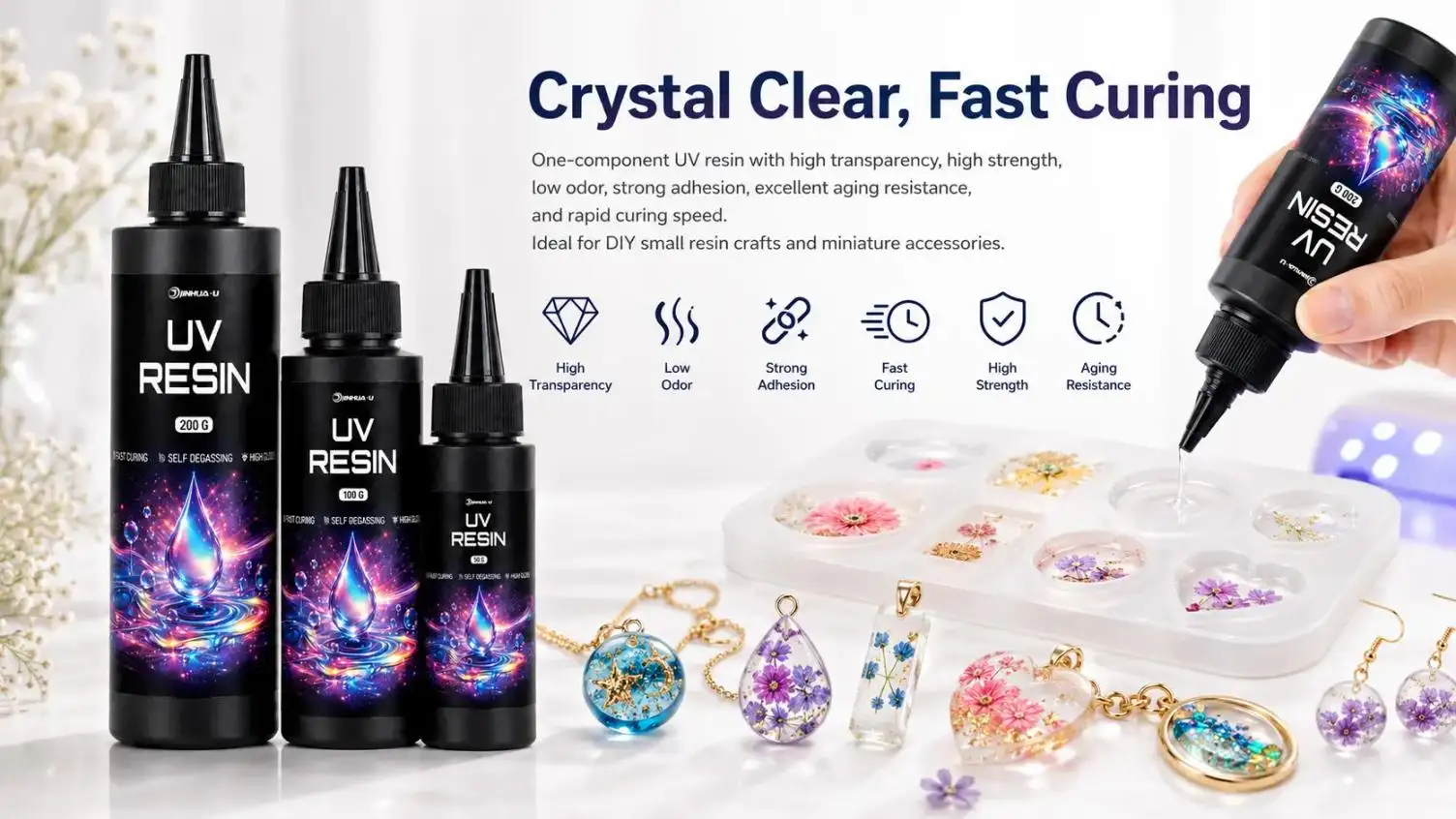
- Jewelry making
- Small crafts
- Decorative trays
- Coasters
- Tumblers
- Wood artwork
- Photo preservation
- Handmade gifts
Art resin properties of good transparency and resistance to UV rays make it the best choice for projects with high priority on appearance and surface quality.
What Is Deep Pour Resin?
Deep pour resin is a type of epoxy that is used for thick casts. Has a slower curing formula that will permit heat generated during the chemical reaction to disperse slowly.
Deep pour resin can normally be poured much thicker than art resin and is appropriate for big and three-dimensional projects.
Common Applications of Deep Pour Resin
Deep pour epoxy resin is commonly used for:
- River tables
- Large wood casting projects
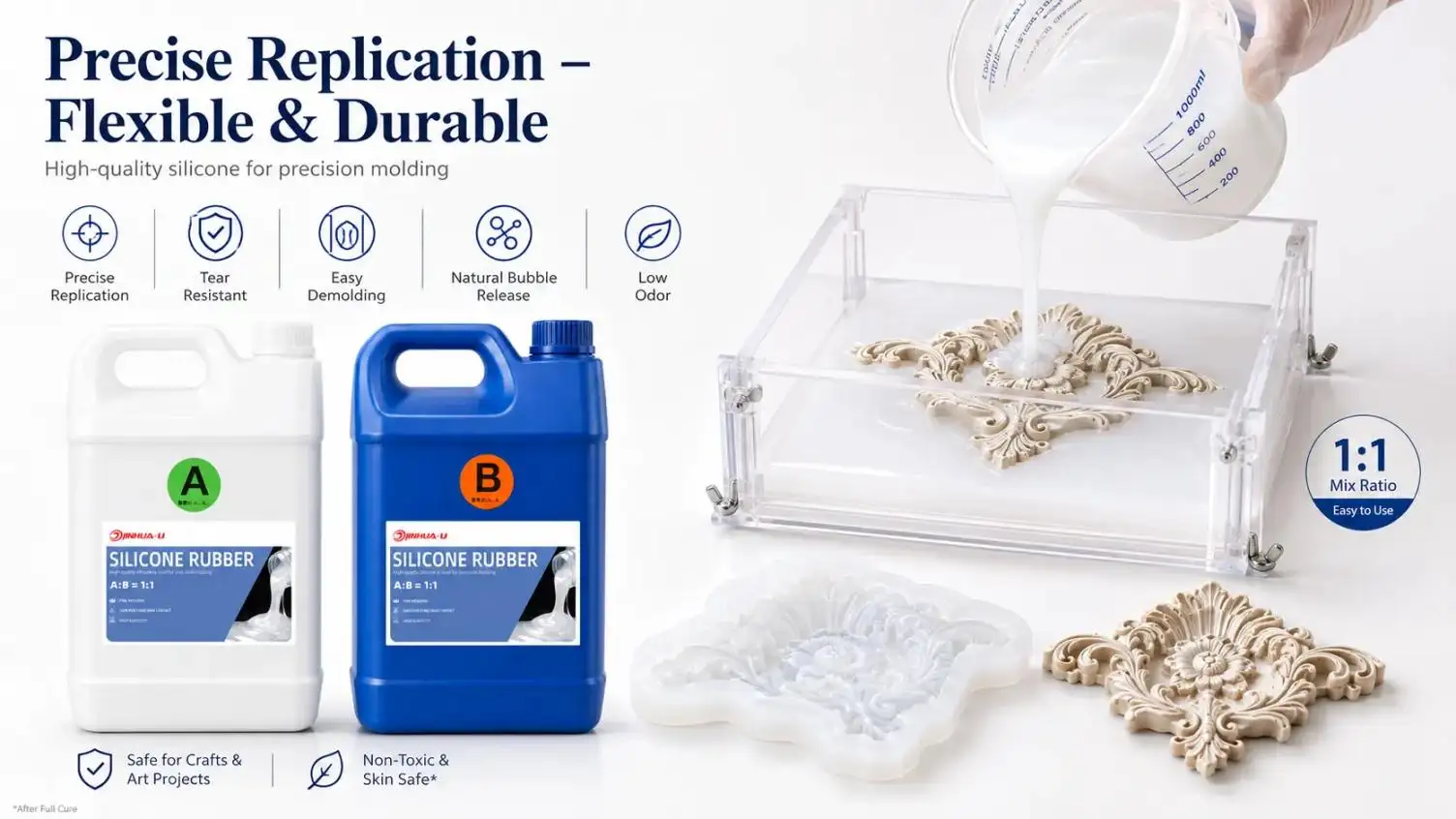
- Mold casting
- Furniture production
- Decorative blocks
- Sculpture casting
- Large artistic installations
- Embedding objects
Its low-viscosity formula allows it to flow around materials and reduce trapped air bubbles during deep casting.
Art Resin vs Deep Pour Resin: Key Differences
1. Pouring Thickness
The biggest difference between art resin and deep pour resin is the recommended pouring depth.
Art Resin
Art resin is designed for thin applications, usually around:
- 1/8 inch to 1/4 inch layers
- Surface coating applications
- Multiple thin pours
Applying art resin too thickly can cause excessive heat buildup, which may lead to yellowing, cracks, or incomplete curing.
Deep Pour Resin
Deep pour resin is designed for thicker layers:
- Several inches per pour
- Large casting projects
- Three-dimensional applications
Its slower curing process prevents excessive heat generation and improves stability during deep casting.
Winner for thick projects: Deep Pour Resin
2. Curing Speed
Curing time affects project planning and final results.
Art Resin Curing
Art resin usually cures faster because it is designed for quick creative projects.
Typical characteristics:
- Faster surface drying
- Shorter working time
- Ideal for small projects
- Quick turnaround
This makes it convenient for artists who need to complete projects efficiently.
Deep Pour Resin Curing
Deep pour resin cures more slowly.
Advantages include:
- Better heat control
- Reduced stress inside large castings
- Improved clarity
- Lower risk of cracking
For large projects, slower curing is actually a major benefit.
Winner for speed: Art Resin
Winner for large casting stability: Deep Pour Resin
3. Viscosity and Bubble Control
Viscosity plays an important role in resin performance.
Art Resin
Art resin typically has a medium viscosity, allowing it to spread smoothly across surfaces.
Benefits:
- Excellent self-leveling
- Smooth coating finish
- Easy pigment mixing
- Good surface coverage
However, because it cures faster, removing bubbles requires quick attention.
Deep Pour Resin
Deep pour resin usually has lower viscosity.
Benefits:
- Flows easily around objects
- Releases trapped air better
- Creates clearer castings
- Suitable for molds
This makes it ideal for projects involving wood, stones, flowers, and embedded decorations.
Winner for deep casting clarity: Deep Pour Resin
4. Heat Resistance
During curing, epoxy resin produces heat through an exothermic reaction.
Art resin poured too thickly may generate excessive heat, causing:
- Cracks
- Warping
- Cloudiness
- Surface defects
Deep pour resin is formulated to manage heat better during thick pours.
For projects requiring large volumes of epoxy, deep pour resin provides better thermal control.
5. Appearance and Finish
Both resin types can create beautiful results, but their strengths are different.
Art Resin Finish
Art resin provides:
- High gloss
- Smooth surface
- Strong color enhancement
- Professional artwork appearance
It is preferred for decorative surfaces where visual impact matters.
Deep Pour Resin Finish
Deep pour resin provides:
- Crystal-clear depth
- Three-dimensional appearance
- Glass-like transparency
- Better object encapsulation
It is perfect for creating depth effects in furniture and sculptures.
Art Resin vs Deep Pour Resin: Comparison Table
| Feature | Art Resin | Deep Pour Resin |
|---|---|---|
| Main Purpose | Surface coating and artwork | Thick casting and molds |
| Pour Depth | Thin layers | Deep layers |
| Curing Speed | Faster | Slower |
| Viscosity | Medium | Low |
| Bubble Release | Good | Excellent |
| Heat Control | Limited | Excellent |
| Best For | Paintings, crafts, coatings | River tables, casting |
| Finish | Glossy surface | Deep transparent effect |
How to Choose Between Art Resin and Deep Pour Resin?
Choosing the right epoxy resin depends on your project requirements.
Choose Art Resin If You Need:
- A glossy protective coating
- Resin artwork finishing
- Small decorative projects
- Fast curing time
- Surface enhancement
Examples:
Acrylic paintings, jewelry, trays, and handmade crafts are better suited for art resin.
Choose Deep Pour Resin If You Need:
- Thick epoxy layers
- Large castings
- Transparent depth effects
- Wood and mold filling
- Long working time
Examples:
River tables, epoxy furniture, and large sculptures require deep pour resin.
Can Art Resin and Deep Pour Resin Be Used Together?
Yes. Many professional creators use both resin types in one project.
A common approach is:
- Use deep pour resin for the foundation or thick casting.
- Allow it to cure properly.
- Apply art resin as a final protective coating.
This combination provides both structural depth and a high-gloss finish.
For example, an epoxy river table may use deep pour resin for the river section and art resin for the final surface coating.
Tips for Better Resin Results
Regardless of which resin you choose, proper handling is essential.
1. Follow Mixing Ratios
Always mix epoxy resin and hardener according to the manufacturer's instructions. Incorrect ratios may cause sticky surfaces or incomplete curing.
2. Control Temperature
Most epoxy resins perform best in a controlled environment. Low temperatures can slow curing, while excessive heat can accelerate reactions.
3. Remove Air Bubbles
Use appropriate techniques such as:
- Gentle mixing
- Allowing bubbles to rise naturally
- Using heat tools carefully
4. Use Quality Pigments
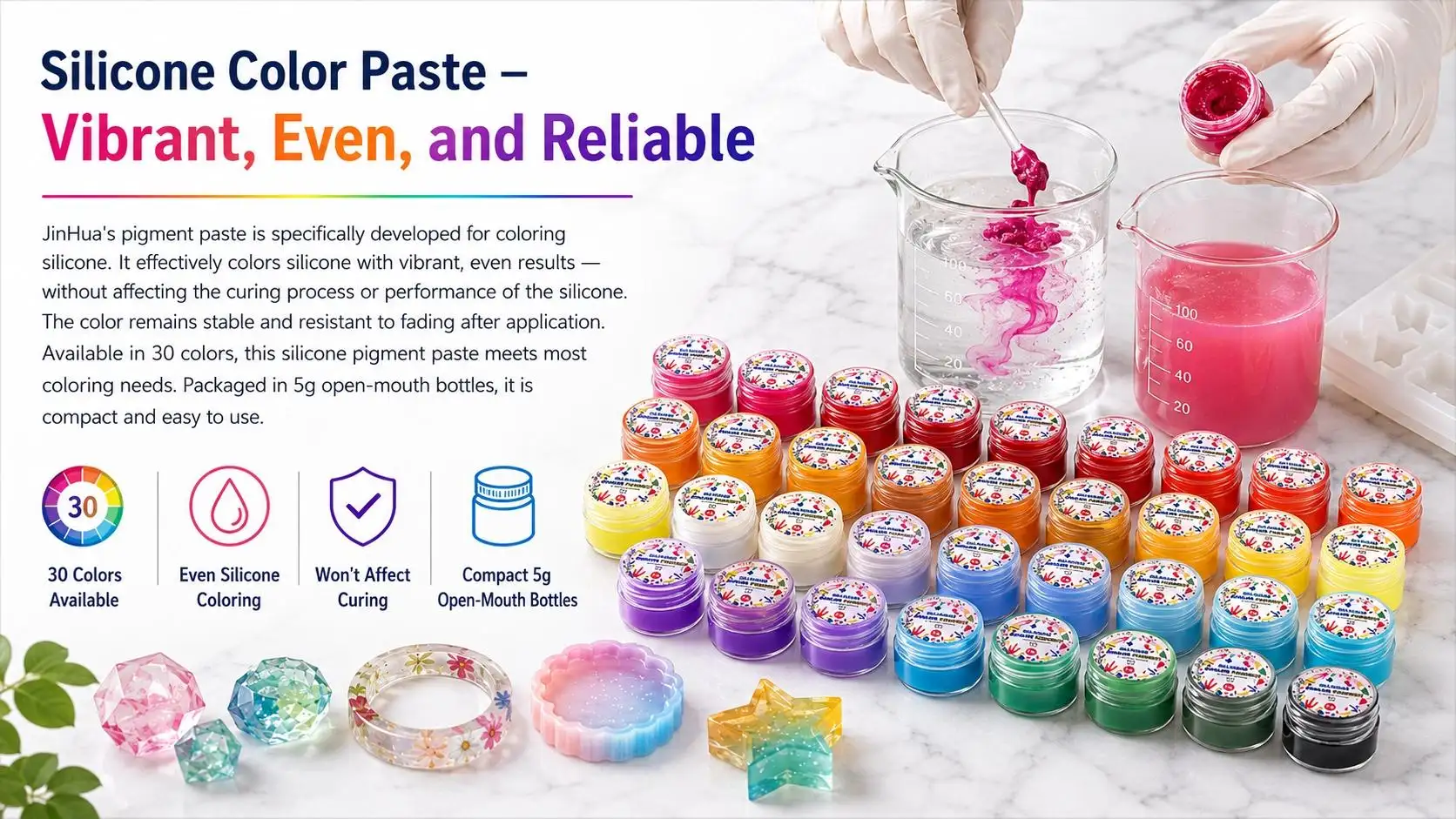
Choose pigments specifically designed for epoxy resin to achieve stable colors and prevent curing problems.
Final Verdict: Art Resin or Deep Pour Resin?
No single winner in art resin vs deep pour resin, as they have different uses.
Use art resin for smooth and glossy finishes on artwork, crafts and protective coatings.
Use deep pour resin for thick layers, large castings or furniture or for 3-D designs.
If you are an artist or a manufacturer, knowing the difference between these two types of epoxy resin can help you get better results, improve durability and get professional quality results.
The selection will depend on the size of your project, your pouring depth, your curing needs as well as your end results. With the proper resin formulation, you can form products that are durable, beautiful and long lasting.