



Updated 2 months ago
Epoxy Resin Wholesale: How to Select the Right Epoxy Formulation

hqt
Selecting an Epoxy Resin Wholesale product is not simply a matter of comparing price per kilogram. Two clear epoxy systems may look similar but behave very differently during mixing, pouring, bubble release and curing.
A 1:1 system is not automatically better than a 2:1 or 3:1 system. Likewise, a resin with Shore D 87 is not necessarily more suitable than one with Shore D 80. The correct choice depends on:
• Application and casting geometry
• Maximum single-pour thickness
• Ambient and material temperature
• Pot life and working time
• Target demolding schedule
• Required surface hardness
• Mixed viscosity and bubble-release performance
• Production volume and packaging format
For reliable Epoxy Resin Wholesale purchasing, buyers should evaluate these parameters as one complete formulation system.
What Do Mixing Ratio, Cure Time and Hardness Mean?
Epoxy Resin Mixing Ratio
The mixing ratio specifies how much resin and hardener must be combined. It may be stated by weight or by volume, and the two methods are not always interchangeable. Buyers and end users should follow the product Technical Data Sheet rather than estimate the ratio.
Typical systems include:
• 1:1 epoxy resin: Simple to measure and suitable for art resin, coatings and consumer craft kits.
• 2:1 epoxy resin: Common in thin casting, river-table and deep-pour formulations.
• 3:1 epoxy resin: Developed for quick curing and low viscosity or increased surface hardness.
The ratio reflects resin chemistry, hardener type and formulation design. It is not a quality grade.
Adding extra hardener does not reliably accelerate curing. It may disturb the stoichiometric balance and cause:
• A sticky or oily surface
• Reduced hardness
• Poor chemical resistance
• Excessive yellowing
• Incomplete crosslinking
• Lower long-term durability
Pot Life, Working Time and Full Cure
"Cure time" can refer to several different stages. A professional Epoxy Resin Wholesale specification should clearly distinguish them.
| Technical Term | Practical Meaning |
| Pot Life | Time the mixed material remains usable in the mixing container |
| Working Time | Available time for pouring, spreading, coloring and bubble removal |
| Gel Time | Point at which the resin begins losing flow |
| Demold Time | Time before the part can be removed without deformation |
| Full Cure | Time required to achieve the designed mechanical and chemical properties |
A casting that can be demolded after five hours may still need additional curing before sanding, polishing, packaging or load-bearing use.
Shore D Hardness
Shore D measures the indentation hardness of cured plastics. It is useful for comparing surface rigidity, but it does not directly measure:
• Impact strength
• Adhesion
• Toughness
• Heat resistance
• Crack resistance
• UV stability
• Chemical resistance
Hardness should therefore be reviewed together with the final application and operating environment.
1:1 vs 2:1 vs 3:1 Epoxy Resin
The following table provides a general comparison for Epoxy Resin Wholesale selection.
| Mixing Ratio | Typical Characteristics | Common Applications | Main Purchasing Checks |
| 1:1 | Easy measuring and user-friendly processing | Art resin, coatings and small crafts | Clarity, anti-yellowing performance, bubble release and package accuracy |
| 2:1 | Broad formulation range from thin casting to deep pour | Crafts, river tables and thick castings | Maximum pour depth, viscosity, pot life and exotherm control |
| 3:1 | Often used for faster cure and hard transparent castings | Small molds, decorations and rapid production | Working time, mixed volume, heat buildup and demolding schedule |
Two 2:1 products should not be considered interchangeable. One may be intended for thin decorative pieces, while another is formulated for a 10 cm deep pour.
Mixing ratio is a formulation specification, not a universal quality grade.
How Cure Speed Affects Casting Quality
For high mold turnover needs, fast curing epoxies have several advantages. These advantages include use in:
• Small, clear casting
• Jewelry and decoration
• Faster demolding
• Short production cycles
• Low volume mixing per batch
Beyond these benefits, fast-curing epoxies have some drawbacks. Because of the speed of reaction, time for pigment dispersion, filling the mold, and displacing bubbles is short. Fast curing epoxies can have large mixed volumes that generate significant heat of reaction. This can cause discoloration, cracking, dimensional changes, and shape distortion.
Slow-curing epoxy is normally more suitable for:
• River tables
• Thick transparent castings
• Large decorative parts
• Complex molds
• Projects requiring extended degassing time
Longer cure time reduces the rate of heat generation, but it also occupies molds and production space for longer. Actual curing performance may change with room temperature, resin temperature, mold insulation and total mixed mass.
For bulk production, the best cure speed is the one that balances casting quality with the required production cycle.
How to Specify Shore D Hardness
JINHUA clear epoxy formulations cover Shore D hardness values of approximately 80 to 87.
| Hardness Range | Typical Selection Considerations |
| Around Shore D 80 | Clear coatings, art resin and general decorative applications |
| Around Shore D 85 | Small functional castings requiring higher surface rigidity |
| Around Shore D 87 | Hard transparent pieces and fast-demolding craft production |
Higher hardness can improve scratch resistance and surface rigidity, but an overly rigid formulation may be less suitable for parts exposed to impact, vibration or dimensional movement.
When comparing Epoxy Resin Wholesale specifications, buyers should also review:
• Cured transparency
• Anti-yellowing performance
• Adhesion to the substrate
• Abrasion resistance
• Curing shrinkage
• Machining and polishing behavior
• Thermal and chemical exposure

Epoxy Resin Wholesale Selection by Application
| Application | Ratio | Reference Cure Time | Main Selection Factors |
| Art resin and surface coating | 1:1 | 12–24 hours at 25°C | Easy mixing, clarity and yellowing resistance |
| Thin crafts and small molds | 2:1 | 12–24 hours at 25°C | Low viscosity and fine-detail filling |
| Fast transparent castings | 3:1 | 8–10 hours | Bubble release and production speed |
| Rapid-demolding crafts | 3:1 | 4–5 hours | High clarity and Shore D 87 |
| 3–5 cm deep casting | 2:1 | 48–72 hours | Low exotherm and extended working time |
| 5–10 cm deep pour | 2:1 | 48–72 hours | Heat management and single-layer thickness |
| 10–15 cm casting | 2:1 | About 100 hours at 20°C | Six-hour pot life and controlled deep curing |
| 15–20 cm thick casting | 2:1 | 36–48 hours at 20°C | Low viscosity and formulation stability |
| 3–5 cm river table | 2:1 | 36–48 hours at 20°C | Wood compatibility, flow and bubble control |
These figures are formulation-specific references. Buyers should confirm the permitted pour depth, recommended batch size and temperature range before production.
Common Epoxy Resin Wholesale Purchasing Mistakes
Bulk buyers frequently experience quality problems because they:
• Treat 1:1, 2:1 and 3:1 as quality rankings
• Confuse demolding time with full cure
• Use thin-casting resin for deep pours
• Select the highest hardness without testing toughness
• Ignore local temperature and humidity
• Fail to confirm whether the ratio is by weight or volume
• Approve a small sample but use a much larger production mix
• Compare only the unit price
• Skip batch testing and traceability
• Begin mass production without application trials
The cost of bubbles, cracks, yellowing and rejected castings can easily exceed the saving from a lower resin price.
How JINHUA Controls Formulation and Batch Consistency
JINHUA develops epoxy systems for art casting, deep pouring, river tables, coatings, electronic potting and industrial bonding. Its technical team can adjust viscosity, cure speed, hardness, transparency and anti-yellowing performance according to the application.
Different deep-pour formulations are available for 3–5 cm, 5–10 cm, 10–15 cm and 15–20 cm casting requirements. This helps control heat generation rather than using one general-purpose resin for every casting thickness.

JINHUA combines formulation data, automated production and batch testing to control:
• Resin and hardener proportions
• Mixed viscosity
• Pot life and cure behavior
• Shore D hardness
• Color and transparency
• Sample-to-bulk consistency
The company operates a 20,000 m² facility with eight automated production lines and annual capacity exceeding 10,000 tons. OEM and ODM services cover formula adjustment, container specifications, packaging and private labels, supporting orders from trial samples to container-scale production.
Match the Epoxy System to the Application
Choosing the right mix ratio for epoxy resin is only one part of successful wholesaling. Customers must understand the effects of pour depth, working temperature, production cycle, and the properties that the epoxy resin must have after curing.
To generate a technical answer, JINHUA will need to know the details of your application, casting depth, working temperature, desired cure time, hardness, desired packaging, and what volume of epoxy resin you want to order. Some sample tests and reviews of the formulations can be used to predict the performance of the epoxy resin. With this information we can initiate large production of Epoxy Resin Wholesale.
FAQs
Q1. Which wholesale products of epoxy resin does JINHUA produce?
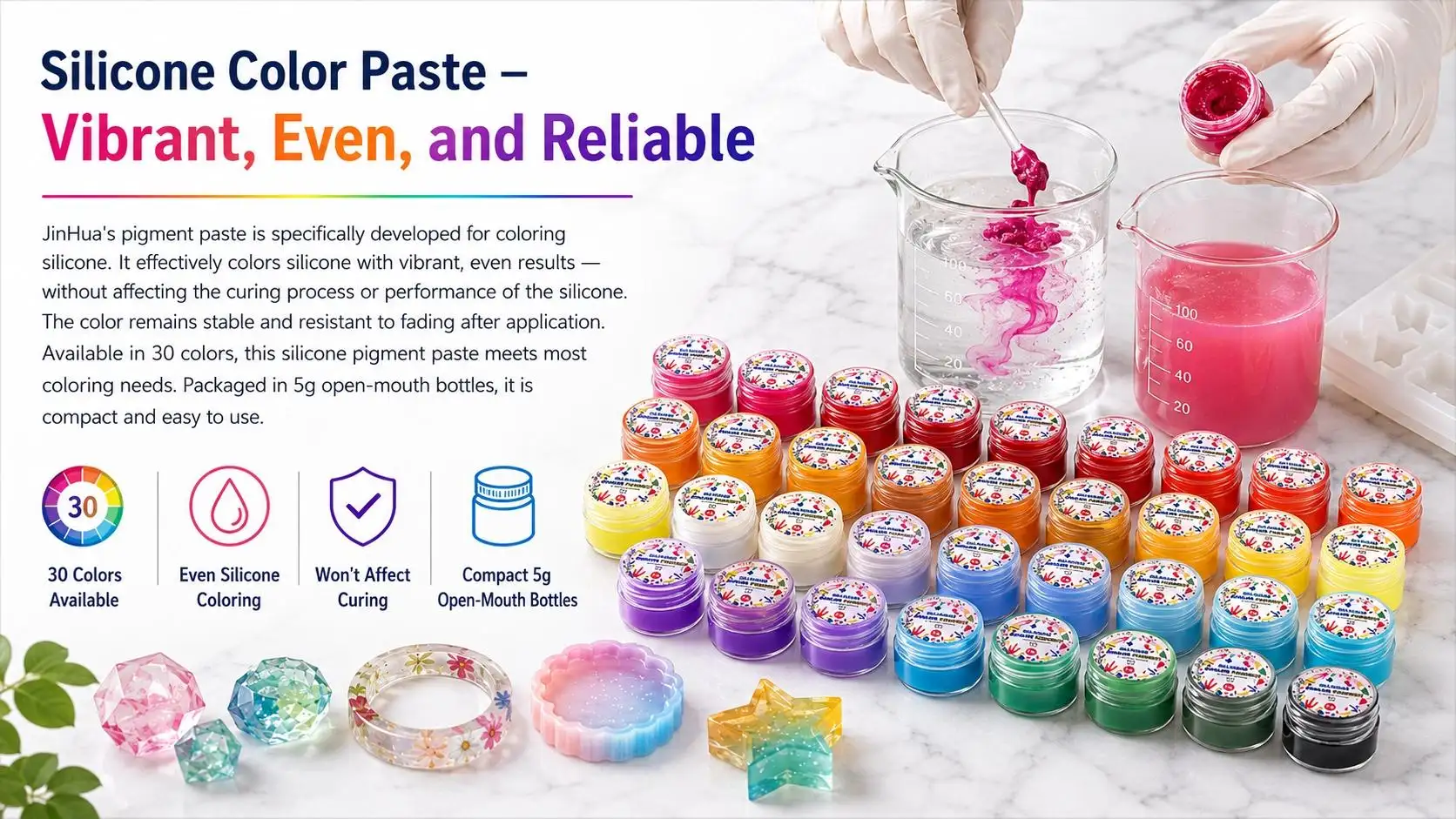
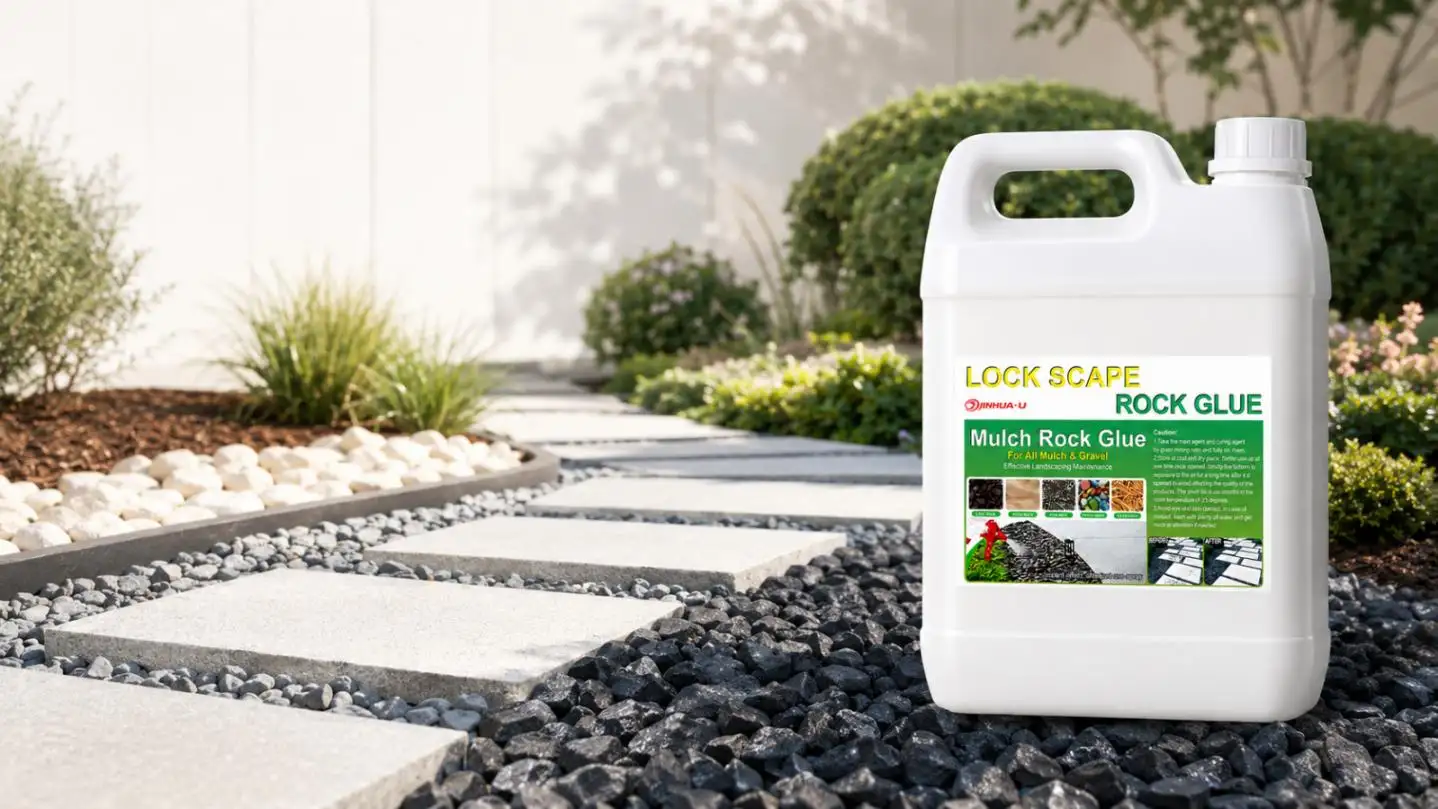
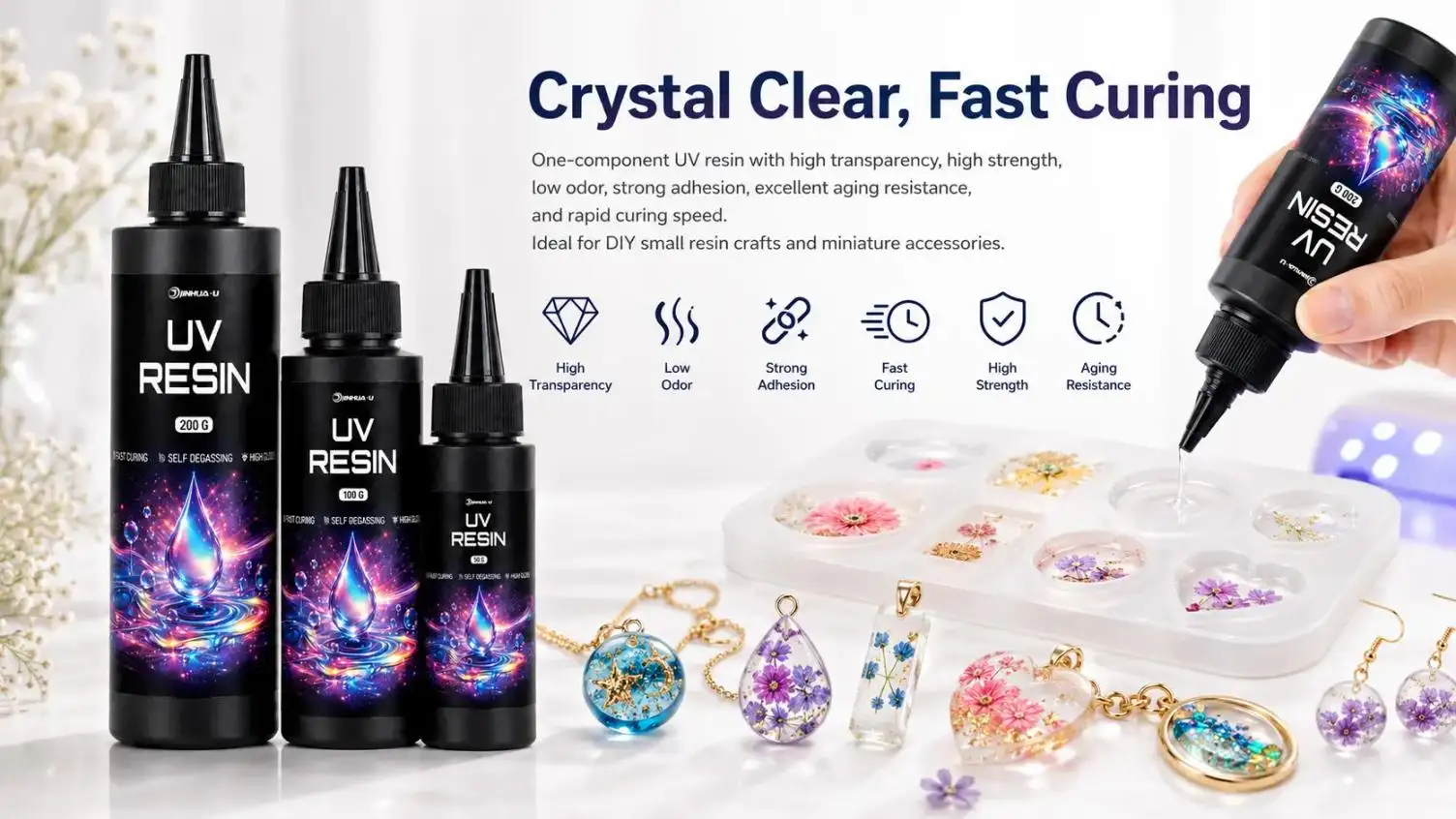
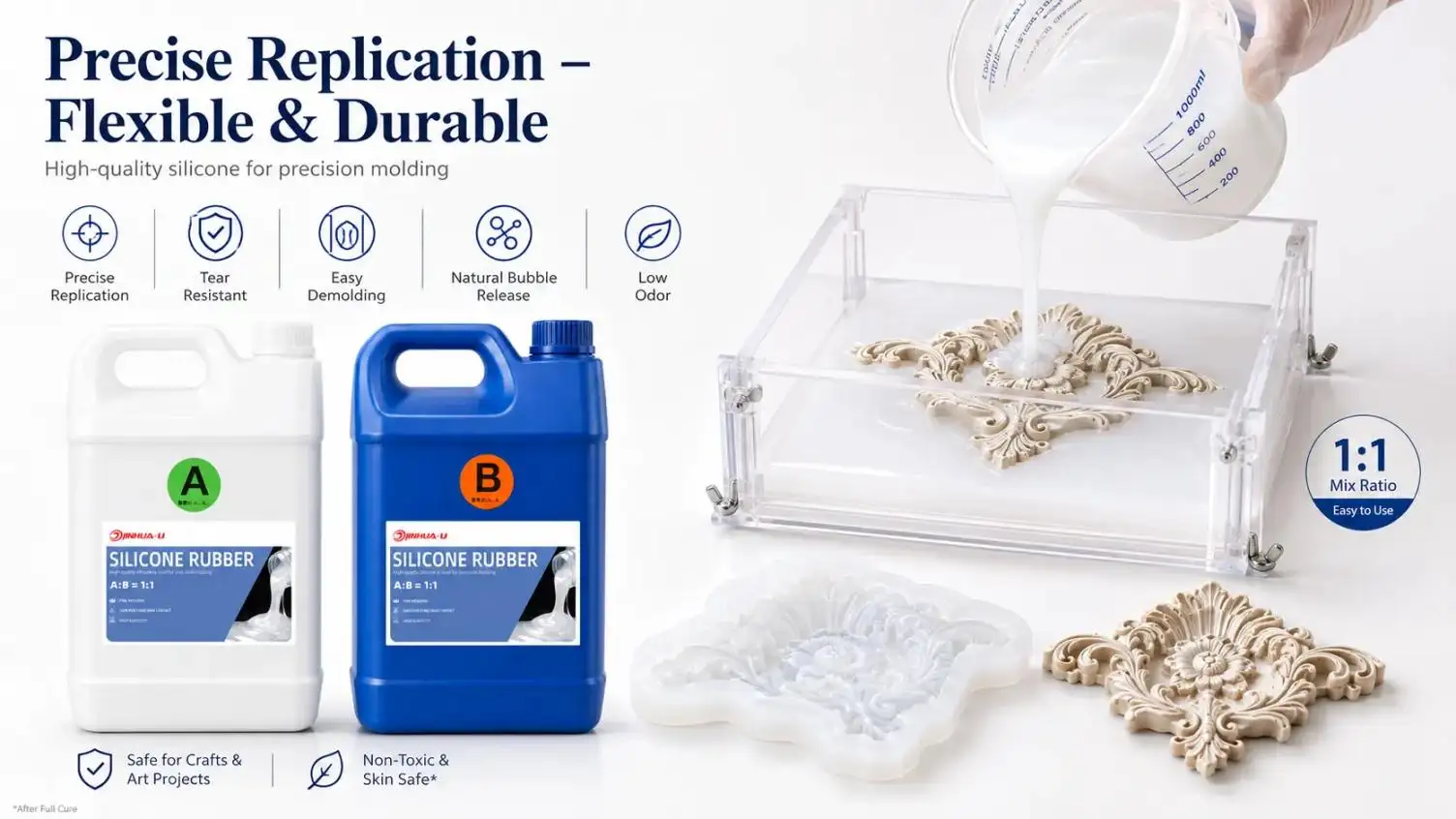
JINHUA produces clear art resin, thin casting resins, fast-curing epoxies, deep-pour epoxies, river-table resins, epoxy coatings, electronic potting compounds, LED resin encapsulation, and industrial adhesive systems. Additionally, it supplies UV resin, PU adhesives, silicone, curing agents, gypsum powder, and rock or mulch glue.
Q2. Is it possible for JINHUA to adjust the epoxy resin mixing ratio?
Yes. For applications and requirements such as working method, curing time, and packaging, 1:1, 2:1, and 3:1 epoxy systems can be developed or adjusted by JINHUA. The formulation will determine the suitable ratio, and the ratio should not be seen as a measure of quality.
Q3. Can the epoxy resin be adjusted for cure time for different production processes?
Yes. The technical team at JINHUA can control the pot life, working time, demolding time, and time needed to fully cure.
Q4. What options do you have for Shore D hardness?
For the most part, JINHUA’s clear epoxy products will cover Shore D hardness from about 80 to 87. Surface rigidity, scratch resistance, impact, polishability, and final use will all influence the selection of hardness.
Q5. Does JINHUA create epoxy resins for deep casting?
Yes. JINHUA has a specialized system for deep pour epoxy casting of approximately 3-5 cm, 5-10 cm, 10-15 cm, and 15-20 cm. Each system is designed with characteristic control of its viscosity, pot life, and exothermic reaction.