



Updated 2 months ago
How to Choose Composite Epoxy Resin for Carbon Fiber and Fiberglass Parts

hqt

For Composite Epoxy Resin, hardness and cure rates are only a few factors of many when considering a material for a given application. Resin selection depends on other factors like type and thickness of the reinforcement, process conditions like working temperature and environmental factors during the service life of the part. Users should also consider wetting tendency, viscosity, adhesion, and surface appearance, as well as the cure profile and the final hardness and toughness of the cured material.
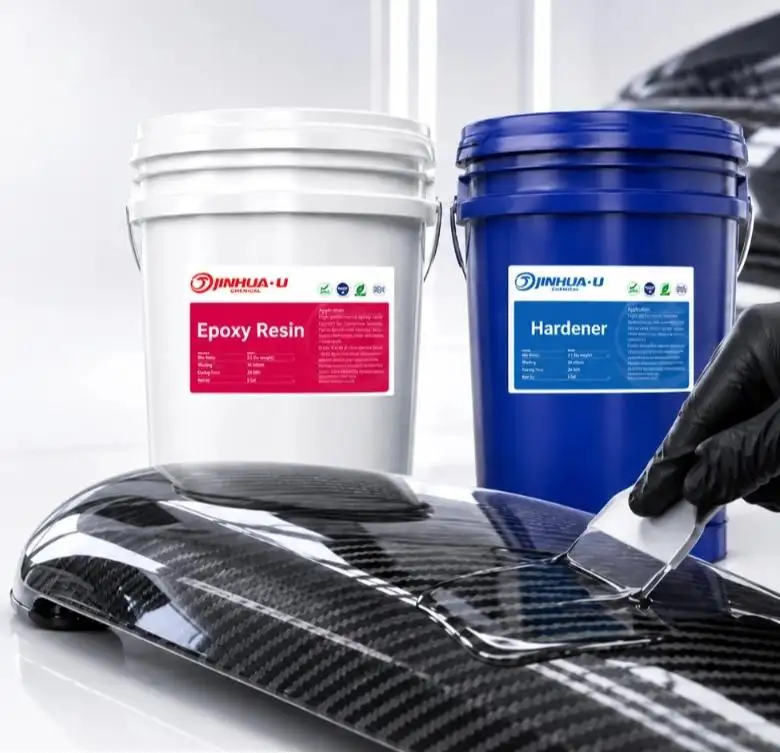
What Is Composite Epoxy Resin?
Composite Epoxy Resin is a thermoset system that can be mixed with a [hardener] to cure and form a matrix that can bind carbon fiber, fiberglass and other reinforcements. The matrix provides a reinforced, rigid structure that protects the fibers and transfers loads to them. This system can be formulated for various operational needs.
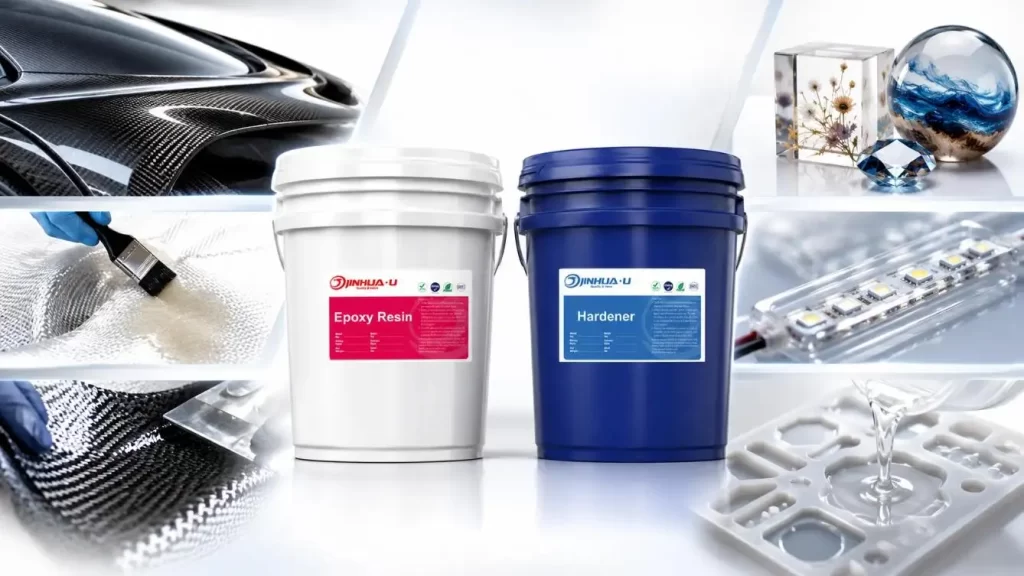
Typical uses of this system include:
•Carbon fiber or fiberglass lamination
•Protective surface coating
•Vacuum bag processing
•Mold and cavity filling
•Electrical potting
•Decorative composite parts
These applications are not interchangeable. Laminating resins predominately focus on wetting fibers and operating time. For surface coating, resin systems must achieve a balance of hardness, leveling, and transparency. As for resins used in infusion, low viscosity and flow assurance
Carbon Fiber vs. Fiberglass: Different Resin Priorities
| Selection Area | Carbon Fiber Parts | Fiberglass Parts |
| Typical products | Automotive trim, sports products, visible panels | Housings, marine parts, industrial panels |
| Main priorities | Clarity, adhesion, hardness, low bubbles | Wetting, pot life, layer adhesion, cost |
| Common processes | Hand lamination, vacuum bagging, coating | Hand lay-up, lamination, molding, filling |
| Frequent defects | White spots, pinholes, scratches, yellowing | Dry fibers, voids, incomplete saturation |
Visible carbon fiber emphasizes weave clarity and surface quality; fiberglass processing emphasizes complete saturation and sufficient working time.
Seven Factors for Selecting Composite Epoxy Resin
1. Fiber Wetting and Adhesion
The resin must be able to spread into the spaces between filaments to sufficiently coat the reinforcement. Poor wetting can cause the following issues:
•Dry fiber
•Resin clouds appear as white or foggy patches
•Internal voids
•Weak interlaminar bonding
•Delamination
Adhesion is also affected by the procedure used to prepare the surface. Dust, moisture, and traces of release agents can all lead to poor adhesion.
2. Viscosity and Flow
Viscosity should match the process:
•Hand lamination: easy brushing or rolling
•Surface coating: good leveling with controlled sagging
•Mold filling: controlled flow and air release
•Vacuum infusion: low viscosity and a validated process window
A coating resin should not be described as an infusion-grade Composite Epoxy Resin unless test data support that use.
3. Mixing Ratio
Mixing an incorrect ratio of resin to hardener will result in an uneven cure, a tacky surface, and poor hardness of the cured part. Weight-based systems require an electronic scale to measure out components.
A 4:1 ratio is perhaps the easiest to work with but requires a 4:1 ratio and thorough mixing. Be sure to scrape the bottom and sides of the mixing container to eliminate any unmixed resin.
4. Pot Life and Batch Size
The time that a mixture of Composite Epoxy Resin is useable is called pot life. Pot life will vary based on the volume mixed, container shape, and application temperature and thickness.
Large batches retain heat and may cure faster; smaller batches are easier to control.
5. Cure Profile
Pot life, handling cure and full cure are different stages. A resin may feel firm before reaching its final mechanical or thermal properties.
Confirm:
•Cure time at the intended temperature
•Handling or demolding time
•Full-cure schedule
•Whether post-curing is recommended
6. Hardness Versus Toughness
High Shore D hardness is useful for protective surfaces, rigid filled parts and components requiring a firm finish. However, hardness alone does not define structural performance.
For impact, bending, vibration or heat exposure, also review tensile strength, flexural strength, elongation, Tg and fatigue resistance. The hardest Composite Epoxy Resin is not automatically the best choice for a load-bearing part.
7. Clarity, Bubbles, and Color Stability
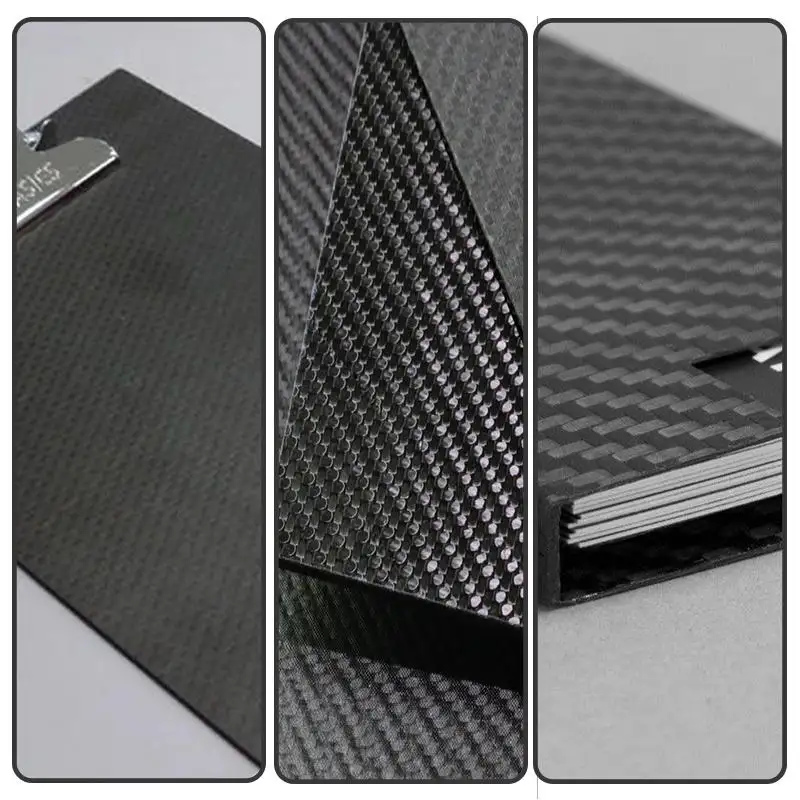
For resins used in visible carbon fiber, pinholes should be minimized and fiber definition should be maintained. Air traps and their resulting pinholes can be redced through slow mixing, clean tools, controlled application and appropriate curing.
For outdoor components, confirm whether an additional UV-resistant clear coat is required. “Yellowing-resistant” is more realistic than claiming that an epoxy will never change color.
Composite Epoxy Resin Selection Table
| Application | Priority Properties | Common Mistake |
| Carbon fiber lamination | Wetting, adhesion, pot life, clarity | Selecting only by hardness |
| Fiberglass lamination | Flow, saturation, working time | Using insufficient resin |
| Surface coating | Leveling, hardness, transparency | Applying excessive thickness |
| LED potting | Filling, adhesion, bubble control | Ignoring component compatibility |
| Mold filling | Flow, shrinkage, exotherm | Pouring a thick section at once |
| Craft use | Clarity, cure speed, finish | Using untested resin for deep casting |
How JINHUA 6992AB Addresses High-Hardness Applications
For parts requiring a clear, firm and high-hardness surface, JINHUA offers 6992AB as a 4:1 Composite Epoxy Resin for selected laminating, coating, potting and filling work.
| Specification | JINHUA 6992AB |
| Product type | 4:1 High Hardness Epoxy Resin |
| Mixing ratio | 4:1 by weight |
| Pot life at 25°C | 10 minutes |
| Stated curing time at 25°C | 3 hours |
| Cured hardness | Shore D 92 |
| Typical uses | Carbon fiber and fiberglass lamination, coating, LED potting, mold filling and selected crafts |
| Shelf life | 12 months under recommended storage conditions |
The Shore D 92hardness supports composite surface protection and rigid filled parts requiring a firm cured build. The 10-minute pot life provides a practical working window for selected small- and medium-sized applications, while the stated three-hour cure supports relatively fast handling at 25°C.
JINHUA positions 6992AB for high transparency, low-bubble processing and reduced yellowing. These characteristics are relevant to visible carbon fiber automotive parts and decorative composite surfaces. Its 4:1 weight ratio supports repeatable metering when calibrated scales and consistent mixing procedures are used.
When to Choose Another Epoxy System
6992AB should not automatically be used for every project. Additional evaluation is needed for:
•Large vacuum-infusion structures
•Thick castings with high exotherm risk
•High-temperature components
•Aerospace, medical or safety-critical parts
•Repeated impact or fatigue loading
•Long-term outdoor UV exposure
For these applications, request relevant viscosity, Tg, strength, fatigue, thermal-aging or certification data before production.
Pre-Production Checklist
Before using any Composite Epoxy Resin:
•Confirm the fiber type and manufacturing method
•Measure the specified ratio accurately
•Record material and room temperature
•Control batch size and application thickness
•Produce a small trial laminate or coating
•Check wetting, adhesion, bubbles and hardness
•Review the latest TDS
•Maintain ventilation and suitable personal protection
Closing Words
The best Composite Epoxy Resin is the system that matches the reinforcement, process window, part geometry and performance target. Hardness and cure speed matter, but they must be considered together with wetting, adhesion, toughness, temperature resistance and surface quality.
For carbon fiber and fiberglass parts requiring a clear, firm and high-hardness finish, JINHUA 6992AB offers a practical 4:1 option with a 10-minute pot life, a stated three-hour cure at 25°C and Shore D 92 hardness. Contact JINHUA with your fiber type, part size, coating thickness and production method to evaluate suitability and request the relevant TDS or sample-testing support.
FAQs
Q1. What hardness does JINHUA 6992AB achieve?
JINHUA 6992AB achieves a high hardness Shore D 92 when cured. This high hardness can be used for selected composite coatings, rigid filled parts and visible carbon fiber components.
Q2. CAN JINHUA 6992AB be used for both carbon fiber and fiberglass?
JINHUA 6992AB can be applied to selected carbon fiber and fiberglass. For new applications, a small scale trial is recommended to confirm wettability and adhesion of fibers, along with the working time, surface appearance, and curing behavior before the commencement of large scale production.
Q3. What is the mixing ratio of JINHUA 6992AB?
The mixing ratio for JINHUA 6992AB is 4:1 by weight. JINHUA suggests weighing the resin and hardener on an accurate electronic scale instead of assessing the ratio by sight.
Q4. What is the pot life of this Composite Epoxy Resin?
The pot life of JINHUA 6992AB is approximately 10 minutes at 25°C. The actual working time will depend on the room temperature, batch size, container shape, and the application thickness.
Q5 What is the cure time for JINHUA 6992AB?
JINHUA 6992AB has a cure time of approximately 3 hours at 25°C. It should not be assumed that this time is indicative of the time for complete mechanical or thermal properties. The latest Technical Data Sheet (TDS) should be consulted for curing times.