





Polyurethane (PU) is one of the most versatile materials in today's manufacturing. Whether in the construction industry, manufacturing automotive parts, furniture, shoes, electronics or industrial equipment, polyurethane is highly durable, flexible and resistant to chemicals. The demand for polyurethane is rising worldwide, and companies are looking for the top polyurethane manufacturer to offer quality products, competitive prices, and tailored solutions.
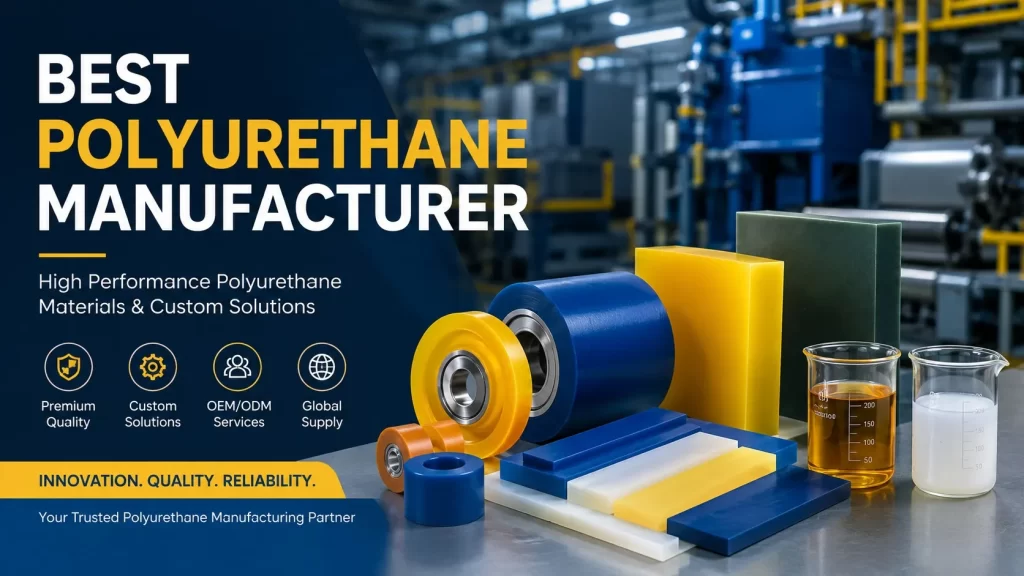
When looking for manufacturing partner for polyurethane, cast elastomers, coatings, adhesives, foams, or custom formulations, the key to achieving the best performance and long-term success of your product is to select the right manufacturer.
This guide will tell you what is expected from a top polyurethane manufacturer, types of polyurethane products, some factors to consider while choosing a polyurethane product and some present trends in polyurethane manufacture.
What Is Polyurethane?
Polyurethane is a polymer compounded from polyols and isocyanates. Depending on the desired properties, the chemical composition can be changed to obtain materials with soft or rigid foams and very hard industrial elastomers.
Polyurethane's versatile nature has made it suitable for thousands of industrial and commercial applications.
Popular Polyurethane Products:
- Flexible polyurethane foam
- Rigid insulation foam
- Polyurethane elastomers
- PU coatings
- Polyurethane adhesives
- PU sealants
- TPU (Thermoplastic Polyurethane)
- Cast polyurethane parts
- Industrial rollers
- Wheels and casters
- Mining components
- Wear-resistant parts
One of the main reasons why polyurethane has become indispensable in a number of industries is its flexibility.
Why Choosing the Best Polyurethane Manufacturer Matters
Not every polyurethane manufacturer is the same because they have different levels of expertise, technologies and quality control.
A good supplier will offer:
Consistent Product Quality
Industrial use requires tight tolerances. Hardness, density, tensile strength or the curing properties may vary, causing production problems and cost.
The factories produce with a high degree of consistency and quality-control.
Customized Formulations
Different industries require unique polyurethane properties.
Examples include:
- High abrasion resistance
- UV resistance
- Flame retardancy
- Low-temperature flexibility
- Chemical resistance
- Anti-static properties
- Food-grade compliance
- Medical-grade certification
Leading manufacturers develop customized formulations tailored to customer requirements.
Stable Supply Chain
Global manufacturing depends on reliable delivery schedules.
An experienced polyurethane manufacturer offers:
- Large production capacity
- Stable raw material sourcing
- Inventory management
- Fast lead times
- Global shipping support
Industries That Use Polyurethane
Polyurethane is found in almost every major manufacturing sector.
Automotive Industry
Automotive manufacturers use polyurethane for:
- Seating foam
- Steering wheels
- Interior panels
- Suspension bushings
- Vibration dampers
- Gaskets
- Wheels
Its lightweight properties also help improve fuel efficiency.
Construction Industry
Construction companies rely on polyurethane for:
- Spray foam insulation
- Roofing systems
- Waterproof coatings
- Sealants
- Structural adhesives
- Decorative panels
Its excellent thermal insulation contributes to energy-efficient buildings.
Industrial Manufacturing
Factories commonly use polyurethane for:
- Conveyor rollers
- Drive wheels
- Mining screens
- Industrial belts
- Protective linings
- Machine components
Polyurethane often outperforms rubber in wear resistance.
Furniture Industry
Flexible polyurethane foam remains the preferred material for:
- Mattresses
- Sofas
- Office chairs
- Cushions
- Upholstered furniture
It provides excellent comfort while maintaining durability.
Electronics Industry
Electronics manufacturers use polyurethane in:
- Potting compounds
- Encapsulation materials
- Protective coatings
- Cable insulation
These materials protect sensitive components from moisture, dust, and vibration.
Types of Polyurethane Products
The best polyurethane manufacturers typically offer a comprehensive product portfolio.
Flexible Polyurethane Foam
Used in:
- Furniture
- Bedding
- Automotive seating
- Packaging
Advantages:
- Soft
- Lightweight
- Comfortable
- Shock absorbing
Rigid Polyurethane Foam
Ideal for:
- Refrigeration
- Cold storage
- Building insulation
- HVAC systems
Benefits include outstanding thermal insulation and energy efficiency.
Cast Polyurethane Elastomers
Popular in industrial environments due to:
- Exceptional wear resistance
- Heavy load capacity
- Long service life
- Oil resistance
Applications include wheels, rollers, seals, and mining equipment.
Thermoplastic Polyurethane (TPU)
TPU combines elasticity with processability.
It is widely used in:
- Footwear
- Medical devices
- Phone cases
- Cable jackets
- Sporting goods
Polyurethane Coatings
PU coatings provide:
- Excellent scratch resistance
- UV stability
- Chemical protection
- Attractive finishes
Common industries include automotive, flooring, marine, and furniture manufacturing.
Features of the Best Polyurethane Manufacturer
When evaluating suppliers, consider the following capabilities.
Advanced Manufacturing Technology
Modern production facilities ensure:
- Precise mixing
- Automated processing
- Stable curing
- High efficiency
- Consistent quality
Automation reduces production variation and improves repeatability.
Strong Research and Development
Innovation drives better products.
Top manufacturers invest heavily in:
- Material research
- New formulations
- Sustainability
- Performance testing
- Customer-specific development
Strong R&D enables faster product optimization.
Strict Quality Control
Reliable manufacturers implement quality management systems covering:
- Incoming raw materials
- Production monitoring
- Finished product inspection
- Mechanical testing
- Chemical testing
- Batch traceability
Many suppliers also hold ISO certifications.
Custom Manufacturing Services
OEM and ODM capabilities are increasingly important.
Leading polyurethane manufacturers provide:
- Custom colors
- Hardness adjustment
- Size customization
- Private labeling
- Formula development
- Packaging customization
This flexibility helps customers build stronger brands.
Global Export Experience
International buyers benefit from manufacturers with experience in:
- Export documentation
- International certifications
- Customs compliance
- Worldwide logistics
- Technical support
Experienced exporters reduce purchasing risks.
How to Select the Right Polyurethane Supplier
Choosing a supplier involves more than comparing prices.
Consider these factors:
Manufacturing Experience
Years of experience often indicate stronger technical expertise and better production management.
Production Capacity
A supplier should be able to scale production as your business grows without compromising quality.
Technical Support
Professional manufacturers offer assistance with:
- Material selection
- Product design
- Processing recommendations
- Testing
- Troubleshooting
Technical support can significantly improve product performance.
Certifications
Look for manufacturers with certifications such as:
- ISO 9001
- ISO 14001
- REACH compliance
- RoHS compliance
- UL certifications (where applicable)
These demonstrate commitment to quality and environmental standards.
Customer Reviews
Long-term partnerships and positive customer feedback indicate reliability and consistent service.
Current Trends in Polyurethane Manufacturing
The polyurethane industry continues to evolve with new technologies and sustainability initiatives.
Major trends include:
- Bio-based polyurethane materials
- Low-VOC formulations
- Recyclable polyurethane products
- Smart manufacturing systems
- AI-assisted quality control
- Energy-efficient production
- Lightweight engineering materials
- High-performance specialty elastomers
Manufacturers investing in innovation are better positioned to meet future market demands.
Why OEM Polyurethane Manufacturing Is Growing
OEM manufacturing is now preferred by many global brands as opposed to their own internal production of polyurethane.
OEM partners offer:
- Lower production costs
- Faster market entry
- Flexible production volumes
- Customized product development
- Professional engineering support
- Stable quality management
This operation enables a brand to capitalise on its marketing and product development efforts, while providing access to expertise in manufacturing.
Conclusion
The choice of the best polyurethane manufacturer can have a significant impact on product quality, manufacturing efficiency, and business success.
The ideal manufacturing partner provides advanced manufacturing technology, complete quality control, excellent research and development capabilities, flexible OEM/ODM services, as well as a reliable supply chain support system.
Polyurethane is still regarded as one of the world's most valuable engineering polymers as industries still require higher performance materials. Collaborating with a seasoned and innovative polyurethane supplier empowers companies to enhance their product capabilities, streamline operations, and maintain market competitiveness.
From automotive parts to industrial machinery, construction materials to electronics, furniture to specialty items, selecting the right polyurethane manufacturing partner is an investment that promises to bring long-term value and sustainable growth to your application.