




One of the simplest ways to make an epoxy resin project look simple to amazing is to add color. The kind of epoxy resin pigment used can greatly influence the overall appearance, depth and texture of the finished product whether you're working on a river table, resin jewelry, decorative coasters, wall art, countertops, or small craft.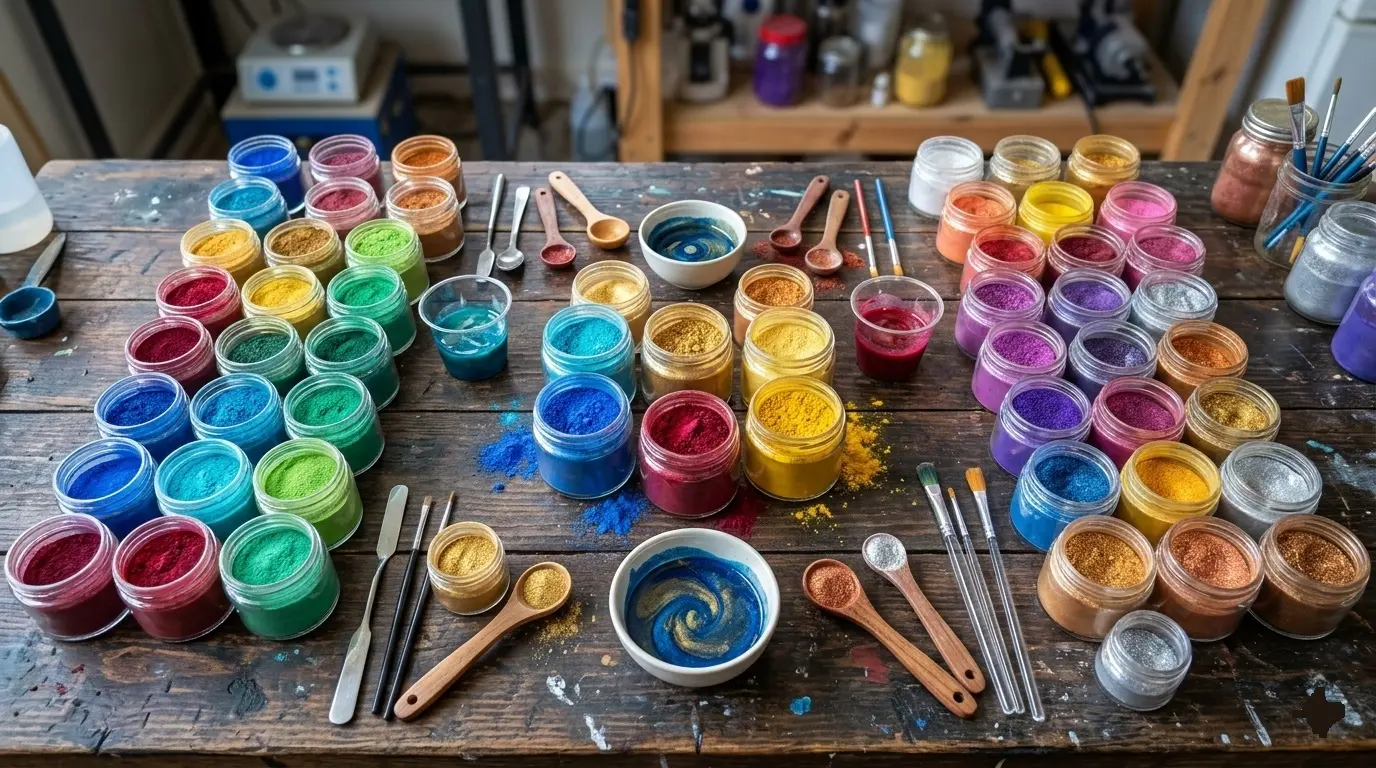
But all resin colourants are not created equal. Some develop solid opaque colors, others develop metallic shimmer or transparent, glasslike colors. The selection of the wrong pigment and/or too much pigment can also negatively influence the resin's appearance and/or curing performance.
This guide covers the main types of epoxy pigment, their use and their suitability for various epoxy projects as well as the selection of the correct colorant for the desired outcome.
What Are Epoxy Resin Pigments?
Epoxy resin pigments are colour pigments especially developed for colouring or otherwise giving a visual effect to epoxy resin. They can give opaque, translucent, metallic, pearlescent or very reflective finishes, depending on their composition.
The most frequent are:
- Pigment paste
- Mica powder
- Metallic pigment powder
- Transparent liquid colorant
- Resin-compatible liquid dyes
- Specialty colorants such as chameleon or luminous pigments
This is the major difference between the two pigments and their interaction with the light and transparency once combined with cured epoxy.
For instance, pigment paste is typically used for uniform, intense coverage, whereas mica powder is suitable for metallic or pearlescent finishes. When using clear epoxy and maintaining depth and clarity, transparent liquid pigments are preferred.
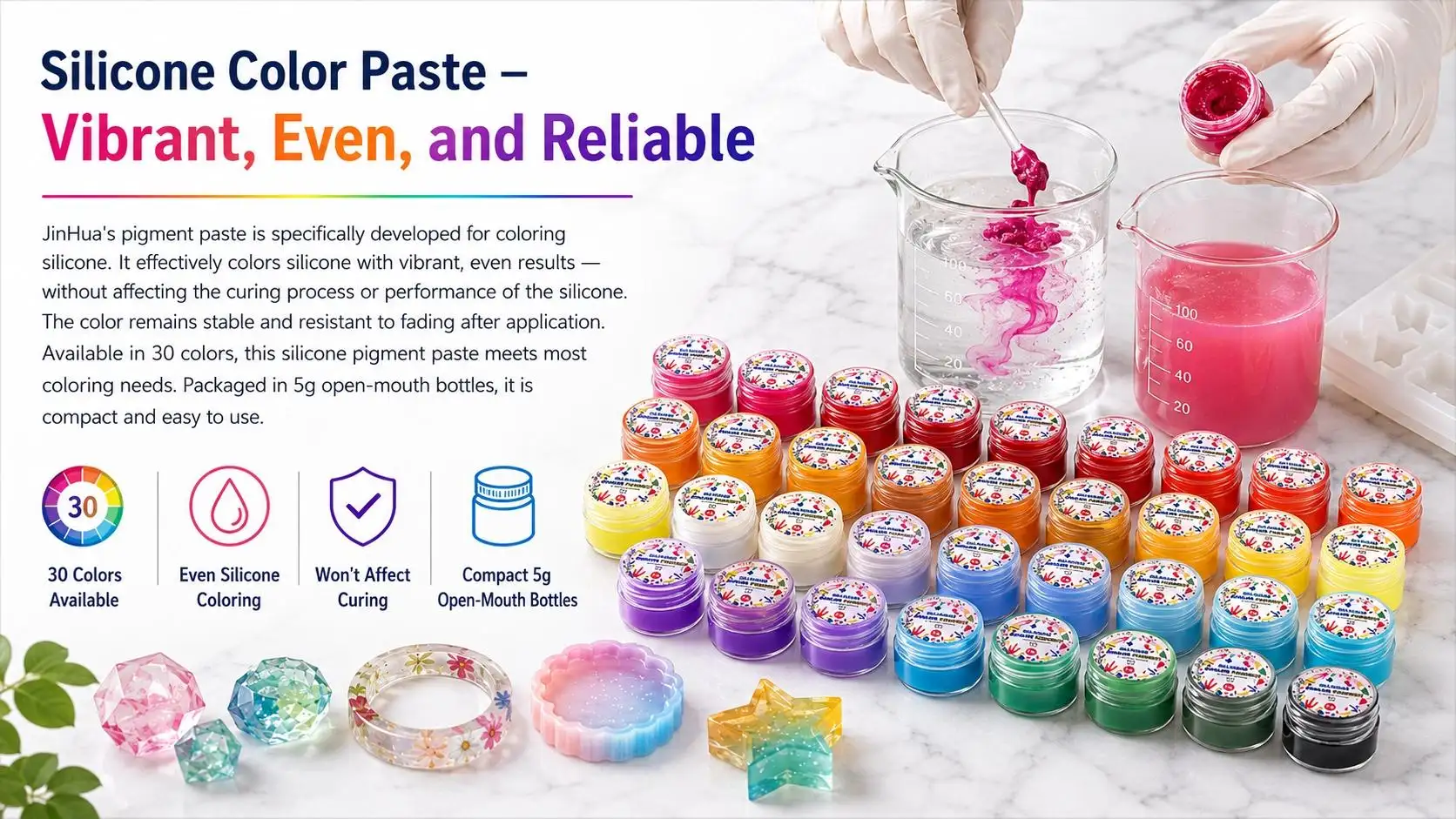
1. Pigment Paste: Best for Bold, Opaque Colors
Epoxy pigment paste is a high concentration colour used to give rich opaque finish. This is handy for when you don't want it to be transparent.
Pigment paste is an intense paste and may require a small amount to be used to produce a strong colour. Never exceed the recommended dose of the pigment manufacturer; adding more colour does not make it darker.
Best Uses for Pigment Paste
Pigment paste works especially well for:
- Resin coasters
- Trays
- Jewelry
- Decorative panels
- Tables and countertops
- Solid-color casting projects
- Ocean and abstract resin art
White pigment paste is also frequently used as a base for cloudy, wave-like, or lacing effects.
How to Use Pigment Paste
First, mix the epoxy resin and hardener according to the manufacturer's specified ratio. Once the resin is thoroughly combined, gradually add a small amount of pigment paste.
Mix slowly and thoroughly until the color is evenly distributed. Scrape the sides and bottom of the mixing container to prevent streaks or unmixed pigment.
Adding pigment gradually gives you much better control over the final shade.
2. Mica Powder: Best for Metallic and Pearlescent Effects
Mica powder for epoxy resin is one of the most popular choices for creating shimmer, metallic effects, and visual movement.
Mica particles reflect light, producing a characteristic pearlescent or metallic appearance. Depending on the color and concentration, mica can create anything from a subtle shimmer to a dramatic metallic finish.
Mica pigments are commonly used in jewelry, resin art, geode designs, tabletops, trays, coasters, and decorative panels.
What Effects Can Mica Powder Create?
Mica powder is particularly effective for:
- Gold and silver metallic effects
- Pearlescent finishes
- Marble patterns
- Geode veins
- Galaxy effects
- Ocean-inspired designs
- Metallic swirls
- Layered decorative pieces
You can also combine multiple mica colors to create gradients and flowing patterns.
How Much Mica Powder Should You Add?
There is no universal dosage because pigment concentration varies between products. As a practical starting point, some manufacturers recommend approximately 0.5–1 g of mica per 100 g of mixed resin, while advising users not to exceed the product's stated maximum loading.
The safest approach is to start with a small amount and gradually increase the concentration.
Too much pigment can change the resin's working characteristics and may interfere with curing, so always follow the technical recommendations for your specific resin and pigment.
3. Transparent Liquid Colorants: Best for Depth and Clarity
If you want to add color without completely hiding the transparency of epoxy resin, a transparent liquid colorant is often the better choice.
Unlike opaque pigment paste, transparent colorants allow light to pass through the resin. This makes them especially useful for projects where depth and layering are important.
Common Applications
Transparent resin pigments are ideal for:
- River tables
- Ocean art
- Resin waves
- Decorative flowers
- Transparent jewelry
- Layered casting
- Colored resin objects
- Glass-like decorative effects
For example, several transparent blue shades can be poured in different layers to create the appearance of deep water.
The result can be significantly more dimensional than using a single opaque blue pigment.
4. How to Choose the Right Epoxy Resin Pigment
The easiest way to choose a pigment is to start with the visual effect you want.
| Desired Result | Recommended Pigment |
|---|---|
| Solid, opaque color | Pigment paste |
| Metallic finish | Mica or metallic powder |
| Pearlescent shimmer | Mica powder |
| Transparent color | Liquid colorant |
| Ocean or water effect | Transparent liquid colorant |
| Geode veins | Mica or metallic powder |
| Marble effect | Pigment paste + mica |
| Layered depth | Transparent colorant |
| Fine metallic highlights | Dry mica powder |
Your choice should also depend on the viscosity of the epoxy resin, project size, desired transparency, and manufacturer's compatibility recommendations.
How to Mix Pigments into Epoxy Resin
Proper mixing is just as important as selecting the right pigment.
Step 1: Measure the Resin and Hardener
Always measure the resin and hardener according to the manufacturer's specified mixing ratio.
Do not change the ratio to compensate for pigment or color intensity.
Step 2: Mix the Epoxy Thoroughly
Combine the resin and hardener and mix slowly until the mixture is uniform.
Scrape the bottom and sides of the cup regularly to reduce the possibility of unmixed material.
Step 3: Add Pigment Gradually
Add a small amount of colorant and mix thoroughly before deciding whether more is needed.
This approach is particularly important with concentrated pigment pastes and mica powders.
Step 4: Check the Color
Before committing to a large pour, test a small quantity if the exact finished color is important.
Remember that epoxy can look different while wet compared with its final cured appearance.
Step 5: Pour According to the Resin's Instructions
Follow the manufacturer's recommendations for maximum pour depth, working temperature, curing time, and bubble removal.
Pigment does not eliminate the need to follow the technical requirements of the epoxy system.
Can You Mix Different Epoxy Pigments Together?
Yes. Combining different pigment types can create more complex visual effects.
For example, you can use an opaque dark background, add metallic mica veins, and then cover the design with a transparent tinted layer. This creates multiple visual levels within the finished piece.
Another technique is to combine:
Opaque base + metallic pigment + transparent top layer
This combination works well for geode artwork, marble-inspired surfaces, ocean scenes, and decorative tabletops.
However, introduce each pigment gradually. If too many colorants are added at once, it can become difficult to control transparency, color intensity, and curing behavior.
Common Mistakes When Coloring Epoxy Resin
Adding Too Much Pigment
More pigment does not always mean better color. Excessive colorant can change the resin's properties and may negatively affect curing.
Using Non-Compatible Colorants
Not every paint, dye, ink, or powder is suitable for epoxy resin. Always choose a colorant intended for resin or verify compatibility before using it.
Mixing Too Quickly
Aggressive mixing can introduce unnecessary air bubbles. Slow, controlled mixing is generally preferable.
Ignoring Color Concentration
A tiny amount of highly concentrated pigment can produce a completely different result from a larger amount of a weaker colorant.
Forgetting the Final Background
Transparent pigments look different over a white, black, metallic, or clear background. Consider the underlying layer before selecting your final color.
How to Create Professional Resin Effects
For more advanced projects, experiment with layering rather than relying on a single pigment.
A transparent blue layer over a darker blue base can create water-like depth. Metallic powder can be used to create veins between solid-color sections. Mica can also be brushed into silicone molds before pouring clear resin to create metallic highlights and dimensional details.
The combination of different pigment types is often more effective than simply increasing pigment concentration.
Frequently Asked Questions About Epoxy Resin Pigments
What is the best pigment for epoxy resin?
There is no single best pigment. Pigment paste is usually suitable for opaque colors, mica powder is excellent for metallic and pearlescent effects, and transparent liquid colorants are ideal when you want to preserve clarity and depth.
Can you use mica powder in epoxy resin?
Yes. Mica powder is widely used with epoxy resin to create metallic, pearlescent, marble, and shimmering effects. Add it gradually and follow the pigment manufacturer's recommended loading level.
How much pigment can I add to epoxy resin?
The correct amount depends on the specific pigment and resin system. Always follow the manufacturer's recommended dosage. Adding excessive pigment can affect the resin's working and curing characteristics.
Can you mix pigment paste and mica powder?
Yes. Combining opaque pigment paste with mica powder can create contrast between solid backgrounds and metallic highlights.
What pigment is best for transparent resin?
Transparent liquid colorants or dyes formulated for epoxy resin are generally the best option when maintaining transparency is important.
Why does my resin pigment sink?
If the resin is extremely fluid, if there are relatively high levels of particles present in the resin, or if the resin contains an excessive amount of pigment, then the particles may settle. Various factors may affect suspension including resin viscosity, temperature, pigment density, and the curing characteristics.
Final Thoughts
The selection of the appropriate epoxy resin pigment is important to control the color, transparency, shimmer and depth. Pigment paste is excellent for heavy-duty opaque applications, mica powder for metallic and pearlescent applications, and transparent liquid colorants for multi-layered and glass finishes.
Compatibility of colorants, slow addition of pigment, thorough mixing and adherence to the technical instructions for the specific epoxy system used is the best approach to getting good results.
If you are making resin art, resin coasters, resin jewelry, resin counter tops or making big tables for your river, knowing how the different pigments react to resin can give you a lot more control. Try out small batches, play with layering and build up own resin coloring methods.