





Polyurethane (PU) is one of the most versatile materials used in today's manufacturing. Whether it is used for automotive parts, construction insulation, furniture, footwear, electronics or industrial coatings, polyurethane provides exceptional durability, flexibility and performance. Given the ongoing growth in global demand, selecting a leading polyurethane manufacturer is essential for companies looking to ensure high-quality products, competitive pricing, and tailored solutions.
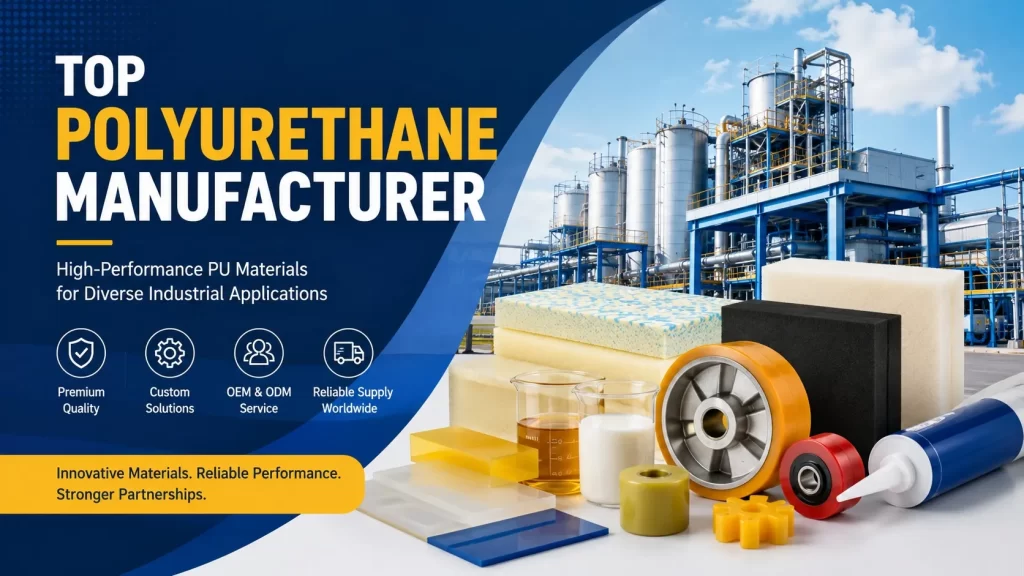
Explore the key factors for selecting the best polyurethane manufacturer, the industries they serve, and how a trusted supplier can enhance your product quality and supply chain efficiency.
What Is Polyurethane?
Polyurethane is a polymer formed from the reaction of isocyanates and polyols. It can be produced in various forms, such as:
- Flexible foam
- Rigid foam
- Elastomers
- Adhesives
- Sealants
- Protective coatings
- Casting resins
- Thermoplastic polyurethane (TPU)
Polyurethane can be used in thousands of applications across a variety of industries, due to its exceptional mechanical and chemical properties.
Key Benefits
- Excellent wear resistance
- High tensile strength
- Outstanding flexibility
- Superior impact resistance
- Chemical resistance
- Moisture resistance
- Long service life
- Lightweight construction
- Excellent thermal insulation
- Customizable hardness and density
The properties of polyurethane make it a popular engineering material in many industries.
Industries That Depend on Polyurethane
Automotive
Automotive manufacturers use polyurethane in:
- Car seats
- Interior panels
- Steering wheels
- Suspension bushings
- Noise reduction materials
- Thermal insulation
- Paint protection coatings
PU components help reduce vehicle weight while improving comfort and fuel efficiency.
Construction
The construction industry relies heavily on polyurethane for:
- Spray foam insulation
- Waterproof coatings
- Flooring systems
- Sealants
- Roofing membranes
- Structural adhesives
Its excellent insulation properties contribute significantly to energy-efficient buildings.
Furniture
Flexible polyurethane foam is widely used for:
- Sofas
- Mattresses
- Office chairs
- Cushions
- Decorative furniture
Manufacturers appreciate its comfort, resilience, and long-lasting support.
Electronics
Polyurethane protects sensitive electronic components through:
- Potting compounds
- Encapsulation materials
- Cable protection
- Conformal coatings
These applications improve durability against moisture, vibration, and chemicals.
Industrial Manufacturing
Factories use polyurethane in products such as:
- Rollers
- Wheels
- Conveyor components
- Industrial belts
- Protective liners
- Machine parts
Its abrasion resistance often exceeds that of rubber.
Characteristics of a Top Polyurethane Manufacturer
Not every supplier offers the same capabilities. The best manufacturers combine advanced production technology with strict quality management.
Extensive Manufacturing Experience
Experienced manufacturers understand various polyurethane chemistries and production processes. Their engineering teams can recommend optimal formulations for different applications.
Years of expertise also reduce production risks and improve product consistency.
Comprehensive Product Portfolio
Leading polyurethane manufacturers typically supply:
- Polyurethane resins
- Flexible foam systems
- Rigid foam systems
- TPU materials
- Elastomers
- Coatings
- Adhesives
- Sealants
- Casting compounds
A broad portfolio allows customers to source multiple materials from one trusted supplier.
Strong Research and Development
Innovation drives competitiveness.
A reliable manufacturer continuously develops:
- Higher-performance formulations
- Eco-friendly materials
- Low-VOC products
- Faster curing systems
- Improved weather resistance
- Enhanced chemical resistance
Dedicated R&D enables customized solutions for unique customer requirements.
Advanced Manufacturing Equipment
Modern production facilities feature:
- Automated mixing systems
- Precision dosing equipment
- Computer-controlled production
- High-capacity reactors
- Strict environmental controls
- Advanced testing laboratories
Automation improves consistency while reducing manufacturing errors.
Quality Control Standards
A reputable polyurethane manufacturer implements strict quality management throughout production.
Quality testing commonly includes:
- Viscosity testing
- Density measurement
- Hardness testing
- Tensile strength
- Elongation
- Thermal stability
- Chemical resistance
- Aging performance
Consistent quality minimizes production issues for customers.
Custom Polyurethane Solutions
Every industry has unique performance requirements.
Top manufacturers offer customized polyurethane formulations based on:
- Hardness
- Flexibility
- Cure speed
- Color
- UV resistance
- Chemical resistance
- Temperature resistance
- Density
- Viscosity
Customization helps businesses optimize both product performance and production efficiency.
Sustainability in Polyurethane Manufacturing
Environmental responsibility is becoming increasingly important.
Modern polyurethane manufacturers invest in:
- Energy-efficient production
- Waste reduction programs
- Low-emission technologies
- Water recycling
- Renewable raw materials
- Bio-based polyols
- Environmentally friendly formulations
Sustainable manufacturing supports corporate environmental goals while meeting regulatory requirements.
OEM and Private Label Manufacturing
Many businesses prefer OEM production instead of building their own manufacturing facilities.
Professional polyurethane manufacturers often provide:
- OEM manufacturing
- ODM development
- Custom branding
- Private label packaging
- Product formulation
- Technical documentation
- Regulatory support
These services allow distributors and brands to expand their product lines quickly.
Global Supply Chain Advantages
International buyers need suppliers capable of supporting global operations.
Leading manufacturers offer:
- Stable raw material sourcing
- Large production capacity
- Fast lead times
- Export experience
- Global logistics support
- Flexible order quantities
- Reliable inventory management
Strong supply chain management helps minimize production interruptions.
How to Choose the Best Polyurethane Manufacturer
Before selecting a supplier, evaluate several important factors.
Product Quality
Look for manufacturers with proven quality systems and consistent product performance.
Request:
- Technical Data Sheets (TDS)
- Safety Data Sheets (SDS)
- Product samples
- Quality certifications
Production Capacity
A capable supplier should meet both current and future demand without sacrificing quality or delivery speed.
Technical Support
Excellent manufacturers provide:
- Material recommendations
- Application guidance
- Troubleshooting assistance
- Process optimization
- Product testing support
Strong technical service creates long-term value beyond the initial purchase.
Customization Capabilities
Every application differs.
Ask whether the manufacturer can modify:
- Formulation
- Packaging
- Color
- Performance characteristics
- Curing profile
Customized products often outperform standard off-the-shelf materials.
Competitive Pricing
The lowest price does not always represent the best value.
Consider:
- Product consistency
- Service quality
- Delivery reliability
- Technical expertise
- Warranty support
A dependable supplier often reduces overall operating costs.
Emerging Trends in the Polyurethane Industry
The polyurethane market continues evolving through innovation.
Current trends include:
- Bio-based polyurethane systems
- Recyclable polyurethane materials
- Smart manufacturing
- Digital quality control
- High-performance industrial coatings
- Lightweight automotive materials
- Sustainable insulation products
- Low-VOC formulations
- Advanced elastomers
- AI-assisted production optimization
Manufacturers investing in these technologies are better positioned to meet future market demands.
Why Long-Term Partnerships Matter
A long-term contract with a polyurethane manufacturer presents a number of benefits:
- Stable product quality
- Priority production scheduling
- Better pricing opportunities
- Faster technical support
- Continuous product improvements
- Reliable inventory planning
- Reduced procurement risk
Many manufacturers are not only able to change suppliers but also do so quite often, whereas successful manufacturers form strategic partnerships for their long-term development.
Conclusion
Choosing a premier polyurethane manufacturer is not just the choice of a supplier; it's the selection of a partner that will offer a consistent supply of quality products, technical expertise, and reliable service. From polyurethane foam, elastomers, coatings, adhesives and custom formulation, your knowledgeable manufacturer can deliver improved product performance, streamline production and make you more competitive.
Manufacturers that possess state-of-the-art technology, comprehensive quality management systems, and customization capabilities will continue to be sought after by companies around the world as the demands for materials with greater performance and sustainability persist. You can assess the quality standards, production capability, R&D capability, and customer support of polyurethane manufacturers and choose the one that is best for your long-term success.