





The use of colorants in today's manufacturing process is essential and can have a great impact on the properties, longevity, and marketability of the products produced. Whether it is for plastics, coatings, inks, adhesives, textiles, cosmetics or composite materials, the choice of colorants manufacturer can go a long way in determining the quality and production efficiency of the product.
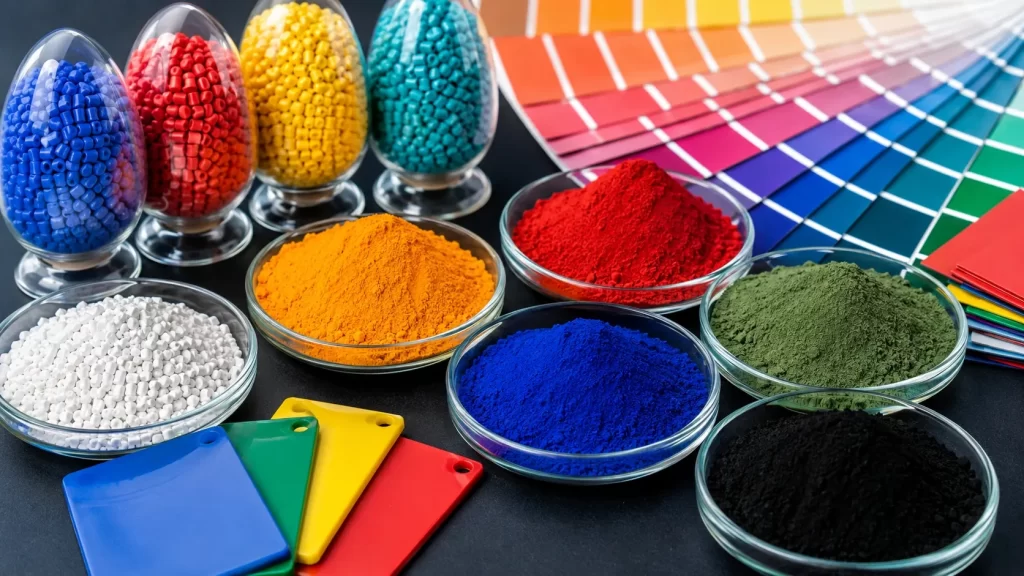
As an OEM, brand owner, distributor and industrial manufacturer, working with the best colorants manufacturer means guaranteed quality, compliance and supply of a consistent color. It discusses the various colorant types, the uses of the colorants, in what situations it is advisable to make a choice of a colourant supplier and why businesses around the world prefer experienced manufacturers of colourant.
What Are Colorants?
Materials that contain colorants are those that have been colored to give them color. Generally, they are classified in two broad categories:
Pigments
Pigments are tiny particles that are dispersed in a material.
Advantages include:
- Excellent UV resistance
- High heat stability
- Superior weather resistance
- Outstanding opacity
- Long-lasting color retention
Pigments are commonly used in:
- Plastic products
- Paints and coatings
- Construction materials
- Rubber products
- Industrial coatings
Dyes
Unlike pigments, dyes dissolve completely into the material.
Benefits include:
- Bright, vivid colors
- High transparency
- Excellent color intensity
- Smooth finish
Typical applications include:
- Textile dyeing
- Printing inks
- Leather
- Paper
- Food-grade products (approved dyes)
Industries That Depend on Colorants
Virtually every manufacturing industry uses industrial colorants.
Plastic Manufacturing
Plastic colorants are widely used in:
- Injection molding
- Blow molding
- Extrusion
- Film production
- 3D printing materials
Common products include:
- Household appliances
- Consumer electronics
- Automotive components
- Medical devices
- Packaging
Paints and Coatings
Colorants provide:
- Decorative appearance
- UV protection
- Corrosion resistance
- Heat resistance
- Chemical durability
Applications include:
- Architectural coatings
- Industrial coatings
- Automotive paint
- Marine coatings
- Powder coatings
Printing Industry
Printing colorants are essential for:
- Packaging
- Labels
- Books
- Commercial printing
- Digital printing
High-quality pigments ensure excellent print clarity and color consistency.
Textile Industry
Textile manufacturers require colorants that offer:
- Excellent wash fastness
- Light fastness
- Sweat resistance
- Chemical stability
- Bright colors
Cosmetics
Cosmetic-grade colorants are used in:
- Lipsticks
- Eye shadows
- Foundations
- Nail polish
- Skincare products
These colorants must meet strict international safety standards.
Types of Industrial Colorants
Leading manufacturers offer a comprehensive range of products.
Organic Pigments
Features include:
- Bright colors
- High tint strength
- Excellent dispersion
- Lightweight particles
Applications:
- Plastic coloring
- Ink production
- Decorative coatings
Inorganic Pigments
Advantages include:
- Excellent heat resistance
- UV stability
- Weather resistance
- Long service life
Popular examples:
- Titanium dioxide
- Iron oxide
- Chromium oxide
- Carbon black
Masterbatch Colorants
Masterbatch consists of concentrated pigments encapsulated within a carrier resin.
Benefits:
- Easy processing
- Consistent coloring
- Reduced dust
- Improved production efficiency
- Cost-effective manufacturing
Widely used in:
- Injection molding
- Extrusion
- Blow molding
Liquid Colorants
Liquid color systems provide:
- Easy metering
- Uniform dispersion
- High color consistency
- Reduced waste
Ideal for:
- Plastic processing
- Packaging production
- PET bottle manufacturing
Characteristics of a Reliable Colorants Manufacturer
Not all suppliers offer the same level of quality. The best manufacturers stand out in several key areas.
Extensive Manufacturing Experience
Experienced manufacturers understand:
- Material compatibility
- Color formulation
- Production challenges
- Industry standards
- Application-specific requirements
Years of expertise often result in more consistent product quality.
Advanced Color Matching
Professional suppliers utilize:
- Spectrophotometers
- Digital color management
- Automated mixing systems
- Laboratory testing
This ensures:
- Accurate Pantone matching
- Custom color development
- Batch-to-batch consistency
Strong Research and Development
Innovation enables manufacturers to develop:
- Eco-friendly colorants
- High-performance pigments
- UV-resistant formulations
- Heat-resistant products
- Specialty color solutions
Continuous R&D helps customers remain competitive.
Strict Quality Control
Reliable manufacturers perform multiple inspections, including:
- Raw material testing
- Color consistency
- Particle size analysis
- Heat resistance testing
- Weather resistance testing
Quality management systems often comply with ISO standards.
Global Certifications
International buyers typically seek manufacturers that comply with:
- ISO 9001
- REACH
- RoHS
- FDA (where applicable)
- SGS testing
- MSDS documentation
These certifications simplify international trade and regulatory compliance.
Custom Color Development
Many industrial projects require unique colors rather than standard options.
Leading manufacturers offer customized solutions based on:
- Pantone references
- RAL colors
- Customer samples
- Brand guidelines
- Special effects
Customization may include:
- Metallic colors
- Pearlescent effects
- Fluorescent pigments
- Transparent colors
- Glow-in-the-dark formulations
Why OEM and ODM Services Matter
Businesses increasingly prefer manufacturers offering OEM and ODM services.
Benefits include:
- Private label production
- Customized packaging
- Tailored formulations
- Flexible order quantities
- Faster product launches
OEM services allow distributors and brand owners to establish their own product lines without investing in manufacturing facilities.
Sustainability in Colorant Manufacturing
Environmental responsibility has become an important purchasing criterion.
Leading manufacturers invest in:
- Low-VOC formulations
- Heavy metal-free pigments
- Eco-friendly raw materials
- Waste reduction technologies
- Energy-efficient production
Sustainable colorants help manufacturers comply with environmental regulations while enhancing their brand reputation.
How to Choose the Best Colorants Manufacturer
Before selecting a supplier, consider the following factors:
Product Quality
Look for:
- Stable color performance
- Excellent dispersion
- High purity
- Long-term durability
Production Capacity
A reliable supplier should support:
- Small trial orders
- Large-volume production
- Stable inventory
- Fast delivery
Technical Support
Professional manufacturers provide:
- Color matching assistance
- Processing recommendations
- Material compatibility advice
- Troubleshooting support
Competitive Pricing
The lowest price is not always the best option. Consider:
- Product consistency
- Quality assurance
- Technical expertise
- Supply reliability
- Overall value
Customer Service
Excellent communication helps ensure:
- Faster quotations
- Accurate specifications
- Timely production updates
- Efficient after-sales support
Future Trends in the Colorants Industry
Global colorants market is witnessing dynamic shifts and advances in materials science and manufacturing technologies.
Key trends include:
- Sustainable and bio-based colorants
- High-performance pigments for engineering plastics
- Smart color-changing materials
- Digital color matching systems
- AI-assisted color formulation
- Low-carbon manufacturing
- Recyclable packaging solutions
These innovations enable manufacturers to better respond to the needs of today's industries.
Conclusion
When it comes to selecting the best colorants manufacturer, it's not just about a mere pigment or dye. A reliable manufacturing partner offers never-changing product quality, accurate color matching, technical know-how, international certifications, and customization options.
From plastics, coatings, textiles, packaging, cosmetics to industrial manufacturing, it's clear that a trusted supplier can mean better product quality, brand identity, and production efficiency benefits for your business. With the industry constantly evolving in sustainability and innovation, you can expect to stay ahead of the curve when you work with an experienced manufacturer, ensuring that your business is competitive in today's global marketplace.