




Updated 1 month ago
The Ultimate Guide to Epoxy Curing Agents: How to Choose Between Amine, Anhydride, and Polyamide

hqt
text text text text text text text text text text text text text text text text text text text text text text text text text text text text text text text text text text text text text text text text text text text text text text text text text text text text text text text text text text text text.
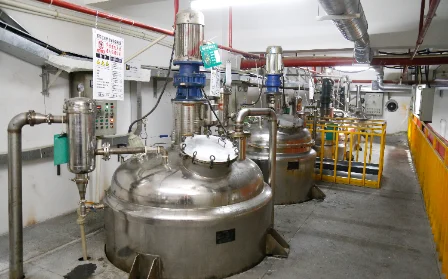
Selecting the right curing agent determines 80% of an epoxy system’s final properties — from cure time and heat resistance to flexibility and chemical tolerance. This guide breaks down the three most common types used in industrial applications.
Fast-Curing Amines for Cold Environments
Amine-based curing agents react quickly even at low temperatures (down to 5°C), making them ideal for winter construction projects or repair work. However, they typically produce more exothermic heat and may cause “blushing” (a waxy surface film) in humid conditions. Best applications: epoxy floor mortars, rapid patching compounds, and underwater adhesives.
Anhydride Curing Agents for High-Temperature Stability
If your application requires continuous service above 120°C or exceptional electrical insulation, anhydride-cured epoxy is the answer. These systems demand heat curing (typically 80–160°C) and offer superior arc resistance and dimensional stability. Commonly used in: LED encapsulation, transformer potting, and carbon fiber prepregs for aerospace.
Polyamide for Maximum Flexibility and Adhesion
Polyamide curing agents produce epoxy with outstanding peel strength and impact resistance, thanks to their long fatty acid chains. They are more forgiving of improper mixing ratios and surface contamination, but cure slower at room temperature. Ideal for: marine coatings, automotive structural adhesives, and flexible circuit board encapsulation.
Always check the “mix ratio by weight” — amine systems often use a simple 2:1 or 4:1 ratio, while anhydride hardeners may require precise stoichiometric calculations.
Written by
hqt
Job title
text text text text text text text text text text text text text text text text text text text text text text text text text text text text text text text text text text text text text text text text text text text text text text text text text text text text text text text text text text text text.